
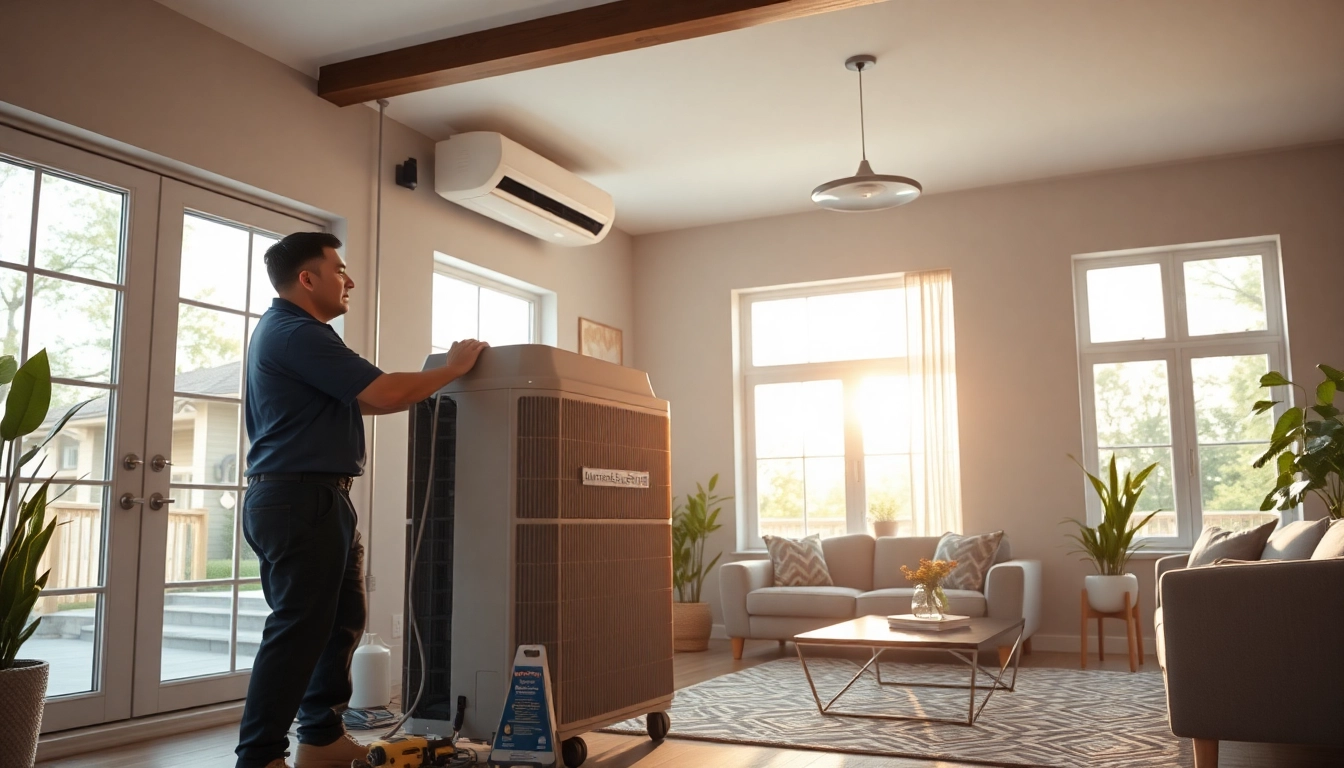

Understanding American Standard AC Options
Types of American Standard AC Systems
When it comes to achieving a comfortable indoor climate, understanding the different types of american standard ac systems available is crucial. Each system is designed to cater to diverse needs and preferences, making it essential to choose one that aligns with your comfort requirements and home structure. The primary types of American Standard AC systems include:
- Central Air Conditioning Systems: These systems utilize a series of ducts to distribute cool air throughout a home, making them ideal for larger spaces. They consist of a central unit that connects to an outdoor compressor, providing efficient cooling.
- Ductless Mini-Split Systems: These AC systems offer a flexible solution without the need for ductwork. Each indoor unit can be controlled separately, allowing for customized cooling in different areas of the home, which is particularly advantageous for homes with non-traditional layouts.
- Window Air Conditioners: Compact and budget-friendly, window units are perfect for single rooms or small apartments. They are easy to install and can provide immediate relief from heat without the extensive installation of ducted systems.
- Portable Air Conditioners: These versatile options can be moved from room to room, making them an excellent choice for renters or those who occasionally need cooling in various parts of the house. They typically require a window for venting hot air but offer flexibility in placement.
Key Features of American Standard AC Units
American Standard AC units are engineered with cutting-edge technology designed to enhance performance, energy efficiency, and user comfort. Here are some standout features:
- Energy Efficiency Ratings: Many American Standard AC units feature high SEER (Seasonal Energy Efficiency Ratio) ratings, ensuring effective cooling while minimizing energy consumption.
- Quiet Operation: American Standard units are engineered to operate quietly, offering a peaceful indoor environment without disruptive noise.
- Smart Technology: Many models come equipped with Wi-Fi capabilities, allowing homeowners to control their AC remotely via smartphone apps.
- Durable Construction: Built to withstand various environmental conditions, American Standard AC units boast a robust design that can endure wear and tear, providing longevity.
- Enhanced Filters: These units often include advanced filtration systems that improve indoor air quality by capturing allergens and particulates.
Benefits of Choosing American Standard AC
Selecting American Standard AC for your home comes with numerous advantages that contribute to improved indoor comfort and energy savings. Key benefits include:
- Reliability: With a long-standing reputation for reliability, American Standard equipment is recognized for its consistent high performance and durability.
- Energy Savings: The efficiency of American Standard AC units leads to reduced energy bills, translating to significant savings over time.
- Comfort Control: Many units allow precise adjustments for temperature and humidity, enabling tailored comfort levels for occupants.
- Extensive Support: American Standard offers robust customer support and service options, ensuring that homeowners have access to necessary resources and assistance.
- Warranty Options: Most units come with comprehensive warranty packages, offering peace of mind and protection against unforeseen issues.
Installing Your American Standard AC
Preparing Your Home for AC Installation
Before installing your American Standard AC unit, proper preparation ensures a seamless process. Consider the following steps:
- Assess Your Space: Evaluate the area where you plan to install the AC unit, taking into account the required measurements and available power sources.
- Choose the Right Location: Select an installation spot that optimizes air circulation. For central systems, ensure the outdoor unit has sufficient clearance from obstructions, while for ductless systems, choose locations that promote effective airflow.
- Install Electrical Access: Ensure there is a dedicated electrical circuit for the unit to prevent overloads. It’s advisable to hire a licensed electrician for this part of the installation.
- Prepare for Ductwork (if applicable): If installing a central AC system, make necessary modifications to your ductwork. Clean existing ducts to improve airflow and efficiency.
Step-by-Step Installation Guide
Installing your American Standard AC unit involves several steps that vary depending on the system type. Here’s a brief guide for each type:
Central Air Conditioning Installation
- Position the outdoor unit on a stable and level surface.
- Connect the refrigerant lines to the indoor evaporator unit, ensuring tight seals.
- Install the air handler and connect it to existing ductwork.
- Wire the thermostat according to the manufacturer’s specifications.
- Test the system for leaks and proper operation before sealing up any access points.
Ductless Mini-Split Installation
- Mount the indoor unit on an exterior wall where you want to duct cool air.
- Run refrigerant lines through a small hole to the outdoor compressor.
- Secure the outdoor unit and connect refrigerant and power lines.
- Set up the vacuum pump to remove any moisture or air from the refrigerant lines.
- Activate the system to check operational status and cooling performance.
Window AC Installation
- Position the window unit into the chosen sash window and secure it.
- Follow the manufacturer’s instructions to seal gaps and stabilize the unit.
- Plug the unit into a standard outlet, ensuring it meets the required amperage.
- Test the functionality of the unit to ensure proper operation.
Portable AC Installation
- Position the portable AC unit close to a window.
- Assemble the exhaust hose and connect it to a window adapter.
- Plug in the unit and test to confirm it is cooling effectively.
Common Installation Mistakes to Avoid
While installing your American Standard AC unit, being aware of common pitfalls can save you time and expense:
- Incorrect Sizing: Installing an AC unit that is too small or too large can lead to inefficiency and inadequate cooling. It’s crucial to have a load calculation done for accuracy.
- Poor Placement: Installing the unit in a location with poor airflow can significantly affect its performance. Choose a location that allows for unobstructed circulation.
- Neglecting Insulation: Not sealing ductwork or failing to insulate refrigerant lines can lead to energy loss. Proper sealing and insulation are imperative for efficiency.
- Ignoring Manufacturer Guidelines: Each unit comes with specific installation instructions. Disregarding these can void warranties.
Maintaining Your American Standard AC
Essential Maintenance Practices
Regular maintenance of your American Standard AC unit is essential for optimizing performance and extending lifespan. Here are some vital practices to incorporate:
- Replace Air Filters: Change or clean the air filters every 1-3 months to maintain airflow and indoor air quality.
- Clean Coils: Periodically clean the evaporator and condenser coils to enhance efficiency by allowing proper heat exchange.
- Check Ductwork: Inspect ductwork regularly for leaks or blockages that can hinder airflow.
- Schedule Annual Professional Inspections: Have a certified technician perform a comprehensive inspection and tune-up at least once a year.
Troubleshooting Common Issues
Even with proper care, you may encounter issues with your American Standard AC unit. Here are common problems and troubleshooting tips:
- AC Won’t Start: Check the circuit breaker or power supply for interruptions. Also, ensure the thermostat is set to an appropriate cooling mode.
- Inadequate Cooling: Ensure air filters are clean and check for blocked vents or ducts. It may also be beneficial to check refrigerant levels.
- Unusual Noises: Listen for unusual sounds and check for loose components. Contact a technician if noise persists.
- Water Leakage: Investigate possible blockages in the condensate drain line or inspect for faulty components.
When to Call a Professional for Your American Standard AC
While some maintenance tasks can be managed by homeowners, knowing when to seek professional help is critical. Consider reaching out to a certified technician in the following scenarios:
- Repeated Equipment Failures: If your unit frequently breaks down, professional diagnostics can uncover underlying issues.
- Complex Refrigerant Issues: Handling refrigerants requires certification; therefore, rely on a professional to address any refrigerant-related issues.
- System Age: As systems age, professional input can help identify needed upgrades or replacements!
Maximizing Efficiency with American Standard AC
Tips for Energy Efficiency
Maximizing energy efficiency is a priority for many homeowners and can be achieved through various methods, including:
- Thermostat Settings: Set your thermostat to a higher temperature when you are away from home to reduce energy usage.
- Utilize Programmable Thermostats: Programmable thermostats allow you to schedule cooling sessions, enhancing efficiency during peak hours.
- Keep the Outdoor Unit Clear: Remove debris and vegetation from around the outdoor unit to promote air circulation and prevent overheating.
Enhancing Indoor Air Quality
Improving air quality not only contributes to a healthier living environment but also enhances the overall functionality of your American Standard AC system. Here are some solutions:
- Use High-Quality Filters: Employ filters that capture finer particles and pollutants to enhance air quality.
- Regular Ventilation: Ensure areas are well-ventilated to prevent stale air and promote fresh circulation.
- Incorporate Air Purifiers: Consider adding standalone air purifiers or integrated systems that complement AC units to eliminate allergens.
Seasonal Adjustments for Optimal Performance
Adjusting your American Standard AC system seasonally ensures peak performance throughout the year. Suggestions include:
- Winter Precautions: Cover the outdoor unit during winter months to protect from harsh weather and debris.
- Pre-Season Inspections: Before summer, conduct an inspection to confirm that all components are functioning effectively.
- Review Insulation: Ensure your home remains adequately insulated to minimize energy loss during both winter and summer.
Frequently Asked Questions about American Standard AC
What size AC unit do I need for my home?
Determining the right size involves calculating BTU requirements based on your home’s square footage and insulation. A professional can provide a precise calculation.
How often should I service my American Standard AC?
It’s recommended to service your AC unit at least once a year. However, more frequent checks may be beneficial for optimal performance.
Can I install American Standard AC myself?
While some simple units, like window ACs, can be self-installed, complex systems should be installed by professionals to ensure safety and efficiency.
What is the average lifespan of an American Standard AC?
With proper maintenance, an American Standard AC unit can last anywhere from 15 to 20 years, although many factors influence longevity.
Are American Standard AC units energy-efficient?
Yes, many American Standard AC units boast high SEER ratings, indicating their efficiency in energy consumption while providing reliable cooling.