
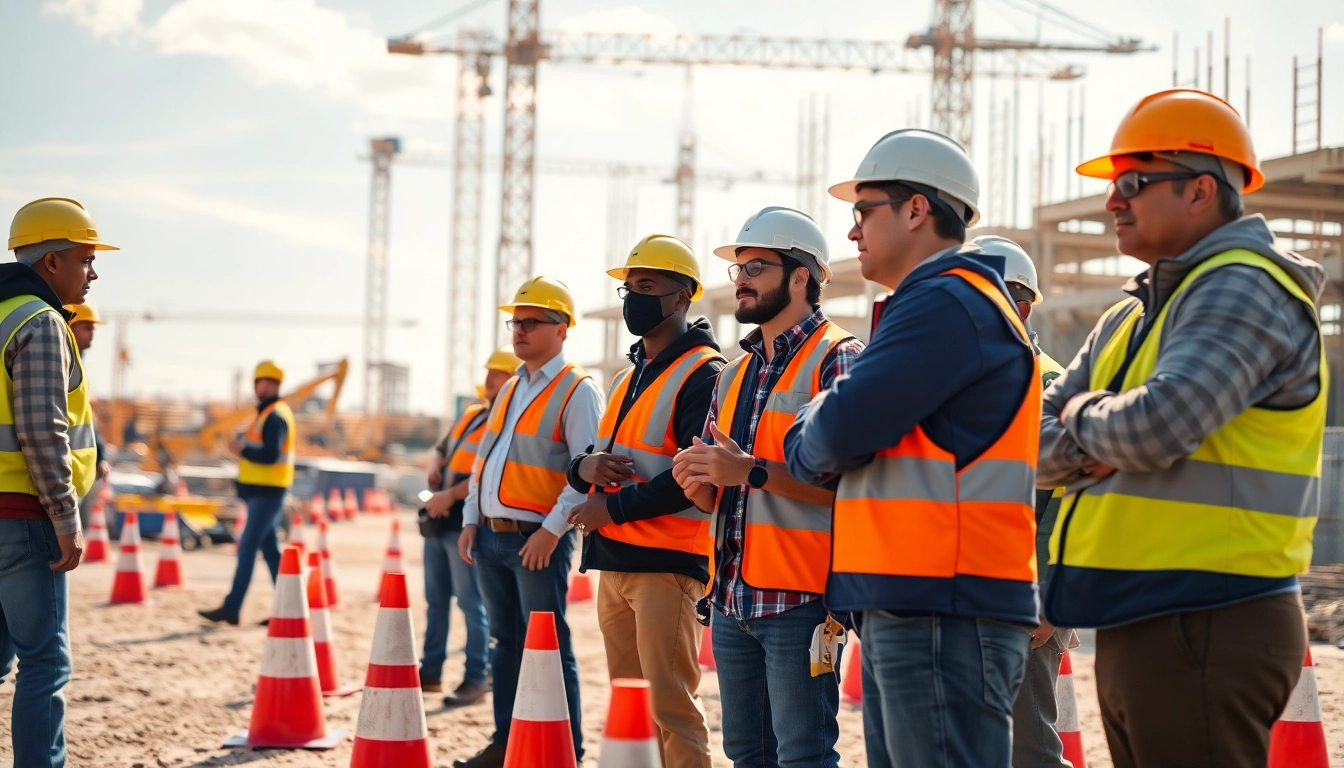

Understanding Construction Safety Training
What is Construction Safety Training?
Construction safety training is a structured program designed to educate workers in the construction industry about potential hazards associated with their jobs. It teaches them the necessary protocols, tools, and techniques to minimize risk and avoid accidents. Such training encompasses a variety of topics, including equipment operation, fall protection, chemical safety, and emergency preparedness. The ultimate goal is to foster a culture of safety that permeates the workplace.
Importance of Construction Safety Training
The construction industry is one of the most dangerous sectors, with a high incidence of workplace injuries and fatalities. Therefore, investing in construction safety training is critical. Not only does effective training help prevent accidents and injuries, but it also supports compliance with regulations and can enhance overall productivity. Workers who feel safe are more likely to be engaged and effective in their roles, which benefits the entire organization.
Legal Requirements for Construction Safety Training
Many regions have specific legal requirements regarding construction safety training. Compliance with Occupational Safety and Health Administration (OSHA) standards is paramount in the United States. These regulations mandate that employees receive safety training relevant to their job functions and hazards they may face. Failure to comply not only jeopardizes workers’ safety but also exposes organizations to legal risks and potential financial liabilities.
Key Components of Effective Training Programs
Identifying Workplace Hazards
A fundamental aspect of construction safety training is the ability to identify workplace hazards. This involves teaching workers how to recognize potential dangers, such as unguarded machinery, hazardous materials, and unsafe conditions like scaffolding failures. Training should include methodologies for conducting hazard assessments and maintaining an awareness of changing conditions on construction sites.
Developing Safety Protocols
Once hazards have been identified, it’s essential to develop clear safety protocols. This includes creating detailed procedures for operating machinery safely, using personal protective equipment (PPE), and ensuring effective communication on job sites. Comprehensive documentation of these protocols is crucial; it provides a reference point for workers and ensures consistency in safety practices.
Utilizing Practical Exercises
Effective training goes beyond theory. Incorporating practical exercises and simulations can significantly enhance learning outcomes. Role-playing scenarios where workers must react to safety hazards in real-time can improve their readiness. Additionally, hands-on demonstrations of equipment and safety gear usage can reinforce best practices effectively.
Best Practices for Implementation
Creating a Training Schedule
Establishing a regular training schedule is vital for ensuring that all workers receive updated information and refreshers on safety practices. This schedule should cater to new hires, seasonal workers, and ongoing education for seasoned staff. Incorporating training sessions during onboarding and periodically throughout the year promotes continuous awareness and adherence to safety protocols.
Engaging Workers in Safety Culture
To embed safety deeply into an organization’s culture, every worker must be engaged. This can be achieved by fostering an environment where safety discussions are encouraged, and reporting unsafe conditions is normalized. Additionally, involving workers in creating safety procedures enhances their buy-in and accountability towards following the set guidelines.
Monitoring Training Effectiveness
Evaluating the effectiveness of training programs is essential for continuous improvement. This can be done through regular assessments, quizzes, and practical evaluations to measure knowledge retention. Additionally, keeping track of incident rates pre- and post-training can provide insight into the program’s impact on workplace safety.
Evaluating Training Outcomes
Measuring Knowledge Retention
Knowledge retention can be assessed through written tests and practical examinations following training sessions. These evaluations help determine how well the workers absorbed the material and can also highlight areas where further instruction may be needed. Techniques such as spaced repetition may be employed to reinforce learning over time.
Assessing Incident Reduction
A key performance metric for any safety training program is the rate of incidents and accidents in the workplace. A successful program should demonstrate a measurable decrease in both the frequency and severity of incidents over time. Analyzing these statistics in conjunction with training data allows organizations to correlate their efforts with real-world outcomes.
Gathering Feedback from Participants
Feedback from training participants is invaluable for refining and improving safety programs. Conducting surveys or informal discussions can provide insights into what aspects of the training were effective and which areas need improvement. Incorporating this feedback into future training sessions can address the needs and preferences of the workforce, leading to more effective outcomes.
FAQs about Construction Safety Training
What are the main goals of construction safety training?
The main goals are to educate employees about hazards, promote a culture of safety, ensure regulatory compliance, and minimize injuries and accidents on construction sites.
How often should training be conducted?
Training should be conducted during onboarding, periodically throughout the year, and whenever there are updates in safety protocols or regulations.
Who is required to enroll in safety training?
All employees working in construction, including subcontractors and visitors, should receive appropriate safety training relevant to their roles and responsibilities.
What common hazards are addressed in training?
Common hazards include falls, hazardous materials, equipment handling, electrical safety, and trenching, among others.
Can training be customized for specific projects?
Yes, training can be customized to address unique hazards, equipment, and processes relevant to specific projects, ensuring relevance and safety.