
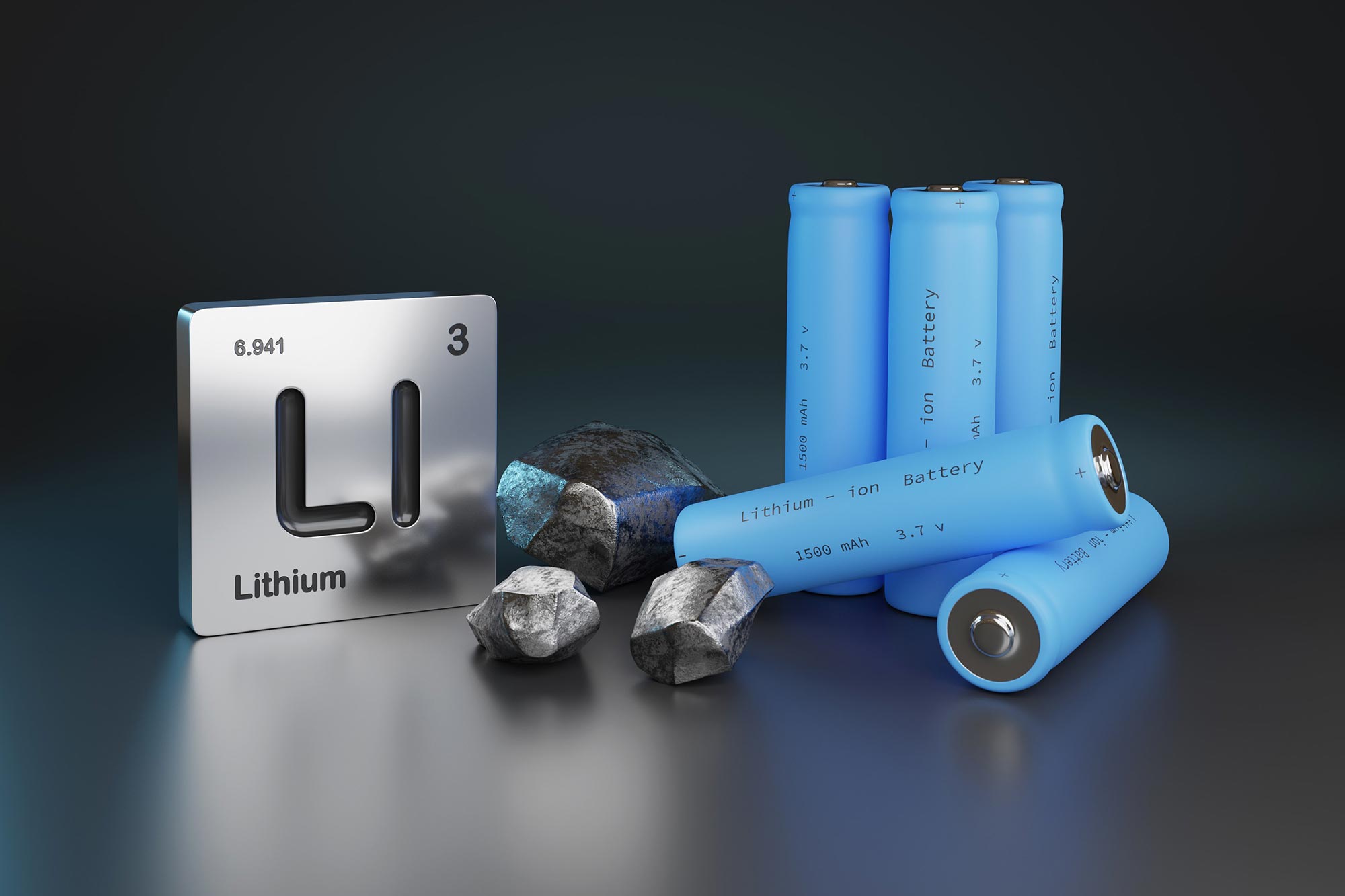

As global industries accelerate toward clean energy solutions, Lithium batteries have become the dominant choice for efficient storage. Their high performance, long cycle life, and lightweight design make them essential for renewable energy, electric vehicles, and industrial applications. However, as demand rises, the environmental impact of lithium batteries also becomes a growing concern. Understanding these effects—and exploring cleaner alternatives—helps businesses, governments, and developers make responsible decisions. This eszoneo guide explains the environmental challenges associated with lithium batteries, along with sustainable strategies and emerging technologies that reduce ecological footprints.
Mining and Resource Extraction
The production of lithium batteries begins with mining lithium, cobalt, nickel, and other essential minerals. While lithium itself is abundant, extraction from brines or hard rock consumes large amounts of water and energy. In regions like South America’s Lithium Triangle, water usage for mining has raised environmental concerns and affected local ecosystems. Meanwhile, cobalt mining often faces scrutiny due to social and environmental risks. These challenges highlight the importance of sourcing lithium batteries from responsible suppliers who follow safe mining and ethical labor practices.
Manufacturing Footprint
Manufacturing lithium batteries requires intensive processing and high-temperature refining of materials. This leads to significant carbon emissions. Although the manufacturing footprint varies by chemistry and production location, improvements in energy-efficient factories are helping reduce overall impact. Some advanced producers now use renewable power plants to manufacture lithium batteries, lowering pollution and reducing dependency on fossil-fueled processes.
Energy Use and Efficiency
In actual operation, lithium batteries perform far better than legacy technologies. Their high energy efficiency means less electricity waste and lower long-term environmental impact. Because lithium batteries last thousands of cycles, they reduce the frequency of replacements, helping limit waste. These long operational lifespans significantly offset emissions generated during production. As renewable energy systems expand, lithium batteries continue to play a major role in lowering global carbon footprints.
Waste and End-of-Life Challenges
One of the biggest environmental concerns comes at the end of a battery’s life. Without proper recycling, lithium batteries can contribute to electronic waste, and discarded materials may contaminate soil or water. Many regions still lack efficient recycling infrastructure, which results in valuable metals being wasted. To address this, governments and manufacturers are investing in recycling technologies designed specifically for lithium batteries, allowing materials like lithium, nickel, and cobalt to be recovered and reused.
Advances in Battery Recycling
Recycling technology for lithium batteries has improved significantly. Modern processes can recover a large percentage of materials, reducing the need for new mining and lowering environmental impact. Hydrometallurgical and pyrometallurgical methods help safely extract metals with less pollution. As global demand grows, a stronger recycling ecosystem ensures that lithium batteries support a circular economy rather than contributing to excessive waste.
Safer and More Sustainable Chemistries
Not all battery chemistries have the same ecological impact. Lithium iron phosphate (LFP) batteries eliminate the need for cobalt and nickel, making them a safer and more environmentally friendly option. Many energy storage developers now prefer LFP lithium batteries for solar systems and commercial projects because they offer long lifespans with fewer critical minerals. These improvements show how innovation can reduce environmental risks without sacrificing performance.
Second-Life Applications
When lithium batteries no longer meet demanding standards for electric vehicles or industrial machinery, they often still retain significant capacity. Instead of discarding them, many companies now repurpose these batteries for low-load applications such as home solar storage, backup power systems, or off-grid projects. Second-life usage effectively doubles the lifespan of lithium batteries, reducing waste and lowering the total environmental burden.
Emerging Sustainable Alternatives
While lithium batteries remain the market leader, researchers are developing new technologies that may reduce environmental impact even further. Sodium-ion batteries use abundant materials and operate with low environmental risk. Solid-state batteries promise improved safety and energy density while using fewer harmful chemicals. Flow batteries, ideal for large-scale storage, offer long service life and easier recycling. Although these technologies are still evolving, they may complement or eventually compete with lithium batteries in specific applications.
Green Manufacturing and Responsible Sourcing
Responsible sourcing programs help ensure that lithium batteries are produced with minimal ecological and social harm. Many suppliers have begun adopting renewable energy, improving water recycling systems, and reducing chemical waste during production. Buyers can support sustainability by choosing manufacturers that provide transparent supply chain documentation and environmental certifications. This approach encourages the entire industry to adopt cleaner practices.
Conclusion
While lithium batteries offer exceptional performance and support global renewable energy growth, recognizing their environmental impact is essential for responsible adoption. By improving recycling, developing greener chemistries, encouraging second-life applications, and supporting transparent supply chains, industries can reduce ecological risks while continuing to benefit from the advantages of lithium batteries. As newer technologies emerge and sustainability practices strengthen, lithium batteries will play a key role in building a cleaner, more energy-efficient future.