Understanding Crawl Space Restoration
What is Crawl Space Restoration?
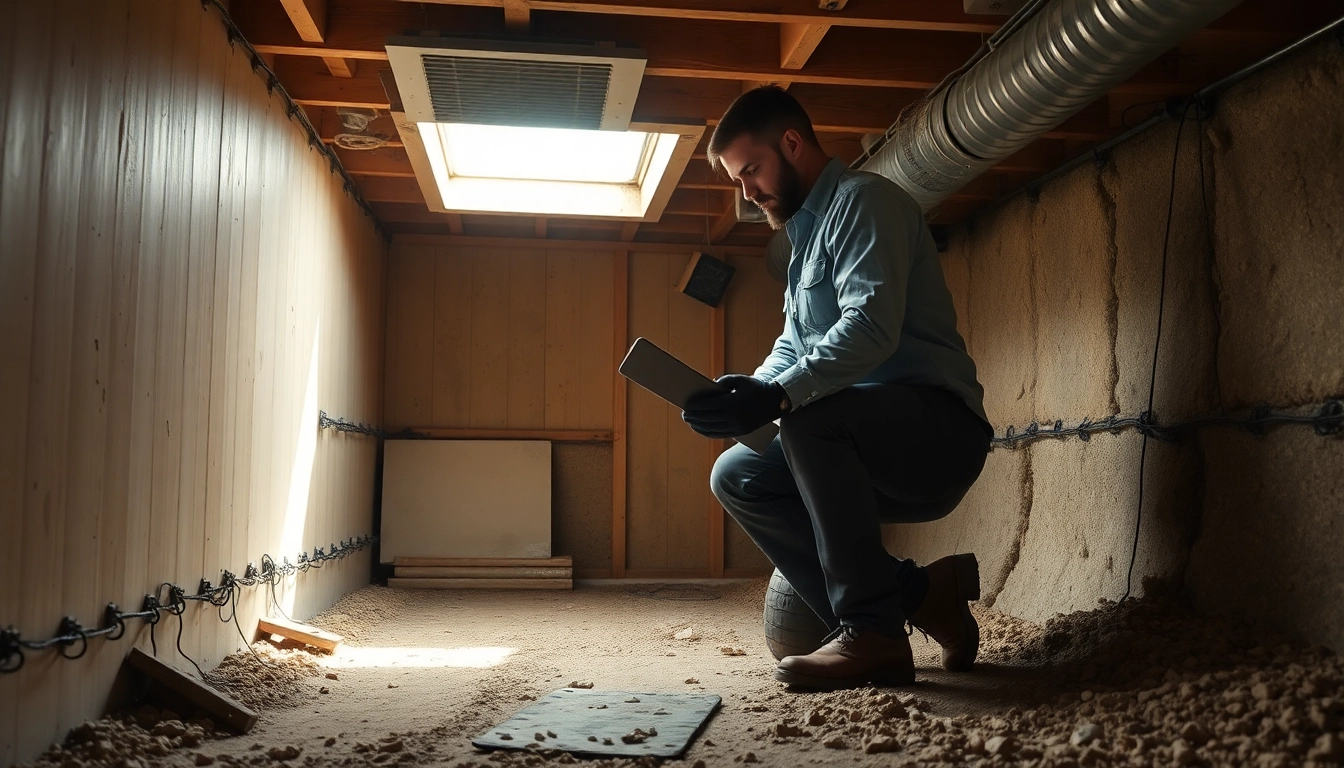
Crawl space restoration is a comprehensive process aimed at addressing various underlying issues within a home's crawl space — the area situated between the ground and the first floor of a building. This space is often susceptible to moisture accumulation, pests, and structural damage due to its typically damp and dark environment. Effective restoration can involve waterproofing, pest control, proper ventilation, and insulation measures, ensuring a healthy living environment above.
Importance of Crawl Space Restoration
Restoring your crawl space is crucial for multiple reasons. Primarily, it enhances the overall health of your home. Moisture can lead to mold growth which triggers respiratory issues and allergies. Additionally, a well-maintained crawl space helps maintain your home’s structural integrity. Addressing crawl space issues prevents extensive damage that could require costly repairs. Furthermore, a properly restored crawl space can improve energy efficiency by allowing HVAC systems to operate more effectively.
Common Issues Addressed in Crawl Space Restoration
Several common issues arise within crawl spaces that necessitate restoration efforts:
- Moisture Accumulation: Water intrusion can lead to mold and rot.
- Structural Damage: Weak support beams and joists can compromise a home’s foundation.
- Pest Infestations: Rodents and insects thrive in damp conditions.
- Insulation Problems: Inadequate insulation can lead to energy loss.
- Poor Air Quality: Air from crawl spaces can negatively affect indoor air quality.
Signs Your Crawl Space Needs Restoration
Identifying Moisture Problems
Moisture is a primary concern in crawl spaces. Signs like damp spots, standing water, or a musty odor indicate a significant moisture problem. If you notice condensation on pipes or excessive humidity, it's critical to investigate further. Performing a visual inspection and employing a moisture meter can help gauge levels accurately.
Recognizing Structural Damage
Check for sagging floors or cracks in walls and ceilings, which may suggest structural issues in the crawl space. Look closely at support beams and joists for signs of warping or holding moisture. These conditions can undermine the safety of your home and must be addressed promptly.
Health Risks from Poor Crawl Space Conditions
A crawl space filled with mold, mildew, or pests poses serious health risks, including respiratory issues and allergies. Poor ventilation can exacerbate these problems, trapping pollutants and allergens in the air. Homeowners should consider both the physical and health implications when assessing crawl space conditions.
Key Techniques in Crawl Space Restoration
Waterproofing Methods
Implementing effective waterproofing methods is crucial for restoring a crawl space. Options include installing vapor barriers, drainage systems, sump pumps, and sealing foundation cracks. A vapor barrier can prevent moisture from seeping into the crawl space, while a sump pump can manage water accumulation and alleviate pressure on foundation walls.
Insulation and Ventilation Solutions
Proper insulation and ventilation are vital for maintaining a healthy crawl space environment. Insulating walls and the floor above the crawl space can help regulate temperature and reduce energy costs. Ensuring adequate ventilation allows moist air to escape, thereby decreasing humidity levels.
Pest Control Strategies
Effective pest control strategies are essential in crawl space restoration. Solutions may include sealing entry points, using traps, and applying baits or repellents. Regular inspections can help identify pest activity early and mitigate infestations before they escalate.
DIY vs. Professional Crawl Space Restoration
When to Consider DIY Restoration
Some minor crawl space tasks may be suitable for DIY efforts, such as cleaning, basic insulation, and sealing cracks. However, homeowners should have a clear understanding of their capabilities and the tasks required. If a project appears complex or overwhelming, it may be prudent to seek professional assistance.
Benefits of Hiring Professionals for Restoration
Hiring professionals for crawl space restoration offers significant advantages. Experts not only have the tools and experience necessary for thorough inspections and repairs, but they also understand the nuances of local regulations and building codes. This expertise can minimize risks and ensure the effectiveness of restoration efforts.
Cost Comparisons: DIY vs. Professional Services
When weighing options, it's vital to consider costs associated with DIY restoration versus professional services. While DIY projects may seem less expensive, hidden problems can lead to higher costs down the line. Professional services tend to have a higher upfront cost, but they often save money in potential repairs and ensure the job is done correctly the first time.
Maintaining Your Restored Crawl Space
Regular Inspection Tips
Regular inspections are essential once crawl space restoration is complete. Homeowners should schedule biannual inspections to check for signs of moisture, pests, and structural damage. Additionally, monitoring changes in air quality with moisture meters can provide early warnings of potential issues.
Best Practices for Long-term Preservation
To maintain a healthy crawl space, adopt best practices such as regularly cleaning gutters and downspouts, managing landscaping to divert water, and maintaining proper ventilation. Keeping humidity levels below 60% using dehumidifiers also helps prevent mold growth.
Utilizing Technology for Crawl Space Monitoring
Technology can enhance the maintenance of crawl spaces. Smart sensors and monitoring systems allow homeowners to track humidity and temperature levels in real-time. Automated alerts can notify them of any issues before they escalate, fostering proactive management.
FAQs about Crawl Space Restoration
What is the average cost of crawl space restoration?
The average cost varies widely depending on the extent of the damage and the services needed, ranging from a few hundred to several thousand dollars. It's best to get multiple quotes for accurate estimates.
How often should I inspect my crawl space?
It's recommended to inspect your crawl space at least twice a year, ideally in spring and fall, to catch potential issues early and maintain a healthy environment.
Can I waterproof my crawl space myself?
While some basic waterproofing tasks can be done by homeowners, more complex issues like installing drainage systems may require professional help to ensure effectiveness.
What health risks are associated with a wet crawl space?
A wet crawl space can harbor mold, mildew, and pests, leading to respiratory issues, allergies, and overall poor air quality inside the home.
How can I tell if my crawl space needs insulation?
If your floors are consistently cold, utility bills are high, or moisture levels are unusually high, it might indicate the need for crawl space insulation.
For effective and long-term Crawl Space Restoration, following these guidelines will not only enhance your home's structure but also ensure a healthy living environment for you and your family.