
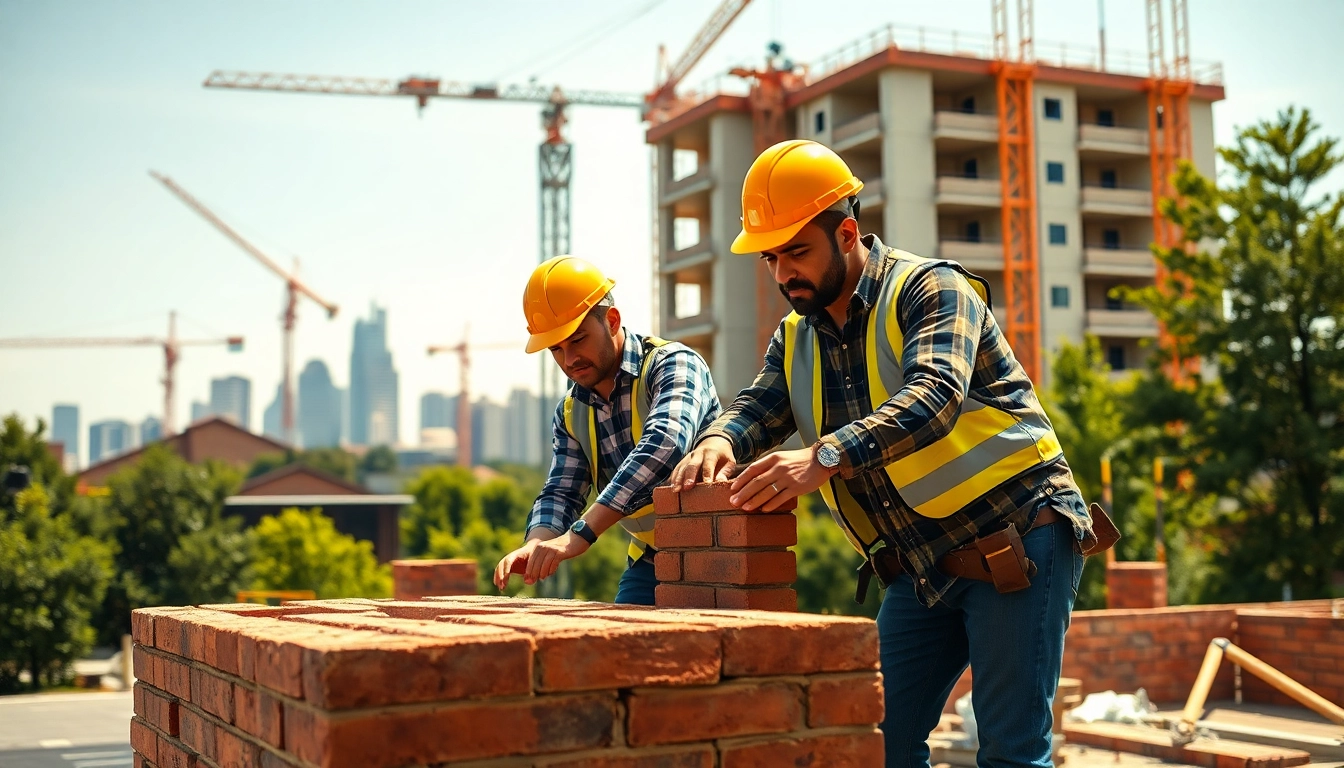

Understanding What Building Companies Do
Building companies play a crucial role in the construction industry, responsible for bringing architectural plans to life. These companies encompass a variety of specialties and services, ranging from residential to commercial construction. Understanding what these companies do is vital for anyone considering a building project. Not only do they handle construction, but they also take on project management, budgeting, and compliance with local building codes. Locating trustworthy building companies near me ensures you are partnered with professionals who understand local regulations and community standards.
Key Services Offered by Building Companies Near Me
Building companies typically offer a wide array of services, including but not limited to:
- New Construction: Constructing new residential and commercial properties from the ground up.
- Renovations and Remodels: Upgrading existing structures while maintaining their core identity.
- Project Management: Overseeing projects from start to finish and ensuring they stay on schedule and within budget.
- Consultation Services: Providing expert guidance on design, material choices, and compliance with building codes.
- Sustainability Consulting: Offering advice on green building practices and energy-efficient technologies.
The Importance of Hiring Local Building Companies
Hiring local building companies comes with several advantages. They have a deep understanding of local zoning laws, building codes, and community needs. Local contractors are also more accessible for face-to-face meetings and on-site evaluations. Moreover, they often have established relationships with local suppliers and inspectors, which can streamline the building process and result in cost savings. By selecting local companies, you enhance the likelihood that your project will meet community expectations and comply with regulations.
How to Evaluate Building Companies
When looking to hire building companies, it’s essential to evaluate potential contractors thoroughly. Consider the following criteria:
- Experience: Look for companies with a substantial history of successful projects similar to yours.
- Reputation: Seek out reviews and testimonials from past clients to gauge their level of satisfaction.
- Portfolio: Examine their previous work to understand their design style and quality of craftsmanship.
- Licenses and Insurance: Verify that the company is properly licensed and insured, which protects you from liability.
How to Search for Building Companies Near Me
Finding the right building company can seem daunting, but there are effective strategies to simplify the search. Utilizing various platforms and resources can yield fruitful results.
Utilizing Online Directories and Review Sites
Online directories such as Yelp, Angie’s List, and HomeAdvisor provide a wealth of information about local building companies. These platforms allow users to search for companies based on location, services offered, and customer reviews. By filtering your search results, you can compile a list of potential contractors that match your specific needs.
Asking for Recommendations from Friends and Family
Personal recommendations can be incredibly valuable. Friends, family, or colleagues who have previously undertaken similar projects can give first-hand accounts of their experiences with local building companies. This method not only highlights trusted contractors but also provides insights into how they managed their projects and any challenges they faced.
Exploring Social Media and Local Forums
Social media platforms like Facebook and local community forums can offer leads on reputable building companies. Join community groups focused on home improvement or construction, where you can ask for recommendations or read about others’ experiences. Engaging with these communities can deepen your understanding of local options and build connections with contractors.
Evaluating Quotes from Building Companies Near Me
Understanding the Components of a Construction Quote
Construction quotes usually include several key components:
- Labor Costs: The expenses associated with the manpower needed to complete the project.
- Materials Costs: An itemized list of materials required for your project, often detailing quality and quantities.
- Timeframe: Estimated time to complete the project, which can affect labor costs.
- Permits and Fees: Costs for obtaining necessary permits and any other legal fees involved.
Identifying Red Flags in Pricing
As you analyze quotes from various building companies, be on the lookout for potential red flags. These may include:
- Significantly lower bids compared to competitors, which may indicate compromised quality or hidden costs.
- Lack of detailed breakdowns in quotes, suggesting unclear costs that could lead to unexpected expenses later.
- Pressure to sign a contract quickly, which could indicate that the contractor is not transparent about their processes.
Negotiating Terms with Building Companies
Once you receive quotes, negotiation is a common practice that can lead to better terms and pricing. Consider the following tips:
- Be clear about your budget but remain flexible; understand what can be adjusted without sacrificing quality.
- Ask about payment schedules as you reach milestones, ensuring you only pay for work that’s completed satisfactorily.
- Have open conversations about timelines and any potential delays, establishing clear expectations.
Questions to Ask Before Hiring Building Companies Near Me
Before making a final decision on which building company to work with, it is crucial to ask specific questions to ensure they align with your project’s needs.
Assessing Experience and Specialization
Inquire about the company’s experience with projects similar to yours. Ask about their specialization in certain types of construction, such as residential, commercial, or particular architectural styles. A company that focuses on your type of project will be better equipped to handle specific challenges related to it.
Checking Licenses, Insurance, and Certifications
Ensure that the company holds the appropriate licenses required for your local area, as well as adequate insurance coverage. This will protect both you and the contractor from liabilities that may arise during construction. Certifications from industry organizations can also indicate a commitment to high standards of quality.
Understanding the Timeline and Project Management
Ask the contractor to outline their project management methodologies and explain how they intend to keep the project on schedule. Understanding their process will provide insight into how they handle unforeseen complications or delays, ensuring your project remains on track.
Maintaining Communication with Your Chosen Building Company
Once you’ve chosen a building company, maintaining open lines of communication is critical for project success.
Setting Expectations and Milestones
Establish clear expectations from the outset regarding timelines, quality standards, and financial arrangements. Set milestones that are agreed upon by both you and the contractor, allowing for an assessment of the project’s progression. Being clear about expectations minimizes misunderstandings and enhances collaboration.
Best Practices for Ongoing Communication
Throughout the construction process, use the following practices for effective communication:
- Schedule regular check-ins to discuss progress and any issues that may arise.
- Utilize project management tools or apps that allow both parties to track progress and updates in real-time.
- Document all communications in writing, which provides clarity and a record of any agreements made.
Resolving Conflicts During the Construction Process
Should any conflicts arise, it’s essential to address them head-on and promptly:
- Maintain a level-headed approach; address issues with transparency and openness.
- Refer back to the agreed-upon terms in your contract to resolve misunderstandings effectively.
- Utilize mediation if necessary, bringing in a neutral party who can help facilitate communication and resolution.