
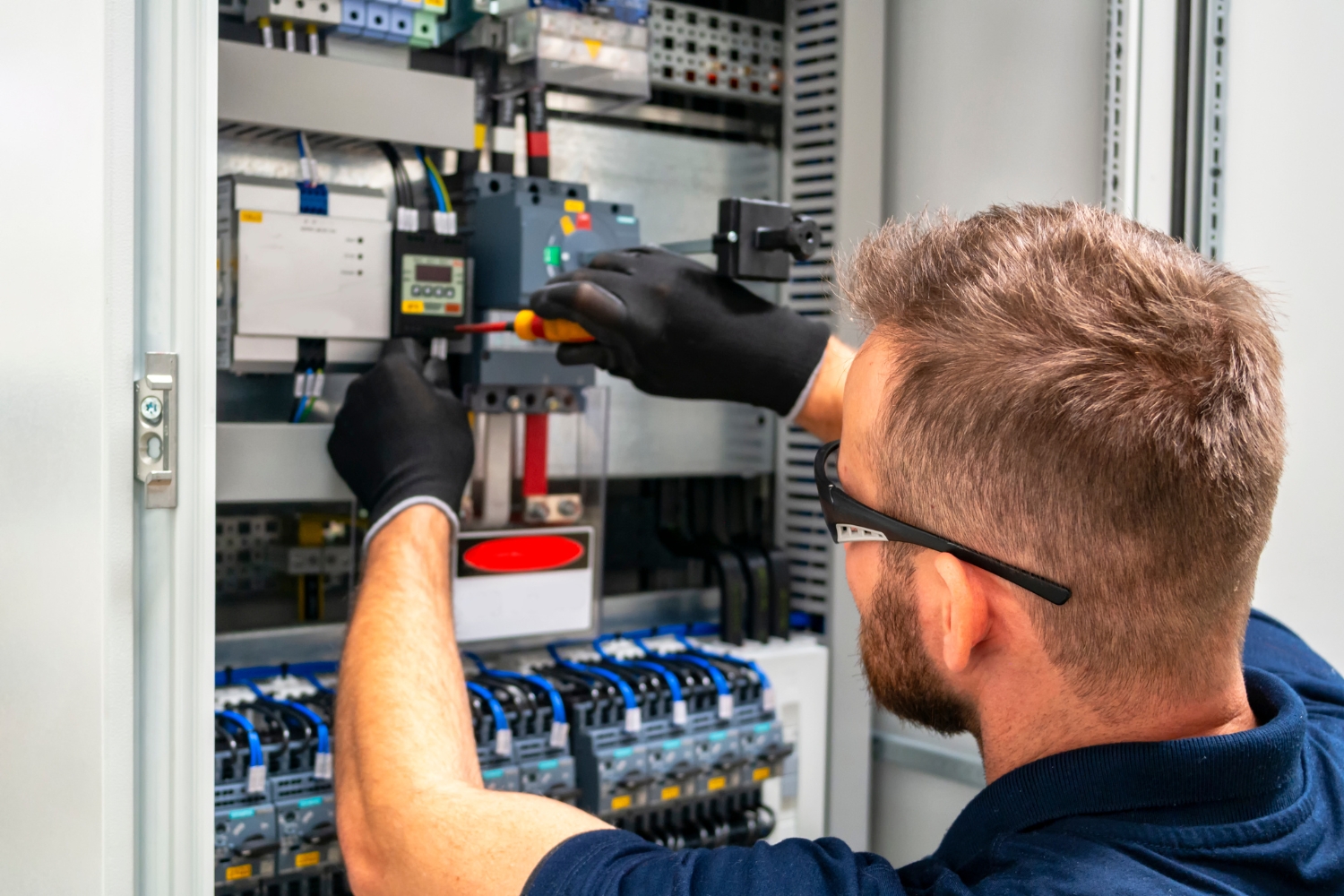

Understanding the Importance of Commercial Electrical Maintenance
In a world increasingly dependent on technology and electricity, ensuring a reliable electrical system is crucial for commercial operations. Businesses must prioritize commercial electrical maintenance to safeguard their operations. This practice not only maximizes efficiency but also minimizes downtime, ensuring that the lights stay on and equipment keeps running smoothly.
Why Regular Maintenance is Crucial
Regular maintenance of electrical systems is vital, as it helps identify potential issues before they escalate into serious problems. Many commercial facilities house intricate electrical networks that can be easily compromised by wear and tear, leading to outages or safety hazards. By adhering to a routine maintenance schedule, businesses can prevent unexpected failures, ensuring operational continuity and safety for employees and customers alike.
Key Benefits for Businesses
- Increased Safety: Regular inspections and maintenance reduce the risk of electrical fires and shocks.
- Cost Efficiency: Identifying minor issues can prevent expensive repairs and replacement costs in the long run.
- Improved Performance: Well-maintained systems operate more efficiently, saving energy and enhancing productivity.
- Compliance: Staying compliant with local and national electrical codes minimizes legal risks and fines.
Understanding Electrical Codes and Standards
Electrical codes and standards are essential in guiding electrical practices to ensure safety and efficiency. Familiarity with the national electrical code and any local regulations is necessary for any business to maintain compliance. Regular audits and updates to the electrical systems based on these standards help reduce operational risks. Engaging a qualified electrician ensures that installations and repairs comply with all relevant legislation.
Common Commercial Electrical Issues
No electrical system is immune to problems. Understanding common issues can empower business owners to act quickly and decisively in addressing them.
Identifying Warning Signs of Electrical Problems
- Flickering Lights: Lights dimming or flickering often indicate issues with the electrical circuit.
- Tripped Breakers: Frequent circuit breaker trips may suggest an overloaded circuit or faulty electrical wiring.
- Unusual Odors: Burning plastic or rubber smells could indicate overheating wires, posing a fire risk.
- Odd Sounds: Buzzing or crackling sounds from outlets or wiring should be addressed immediately.
Common Electrical System Failures
Common failures include overloaded circuits, which can lead to blown fuses or tripped breakers, and wiring faults, which may cause outages or fire hazards. Equipment failure is also prevalent, often due to inadequate power supply or cable damage. Moreover, unforeseen failures can disrupt everyday operations, costing businesses significant downtime and lost revenue.
Mitigating Risks Through Preventive Maintenance
To mitigate risks associated with electrical failures, implementing a preventive maintenance program is critical. This includes regular inspections, routine testing of equipment, and checking all wiring connections. By investing in preventive measures, companies can significantly prolong the life of their electrical systems and prevent major breakdowns.
Best Practices for Commercial Electrical Maintenance
Implementing best practices for electrical maintenance is key to ensuring functionality and safety.
Developing a Maintenance Schedule
A well-crafted maintenance schedule is essential for any commercial space. This should outline frequency and scope of inspections and maintenance tasks according to the specific needs of the facility. Regular checks should be performed, including visual inspections and testing of equipment and safety devices. By ensuring that maintenance tasks are performed on time, companies can avoid unexpected outages and related costs.
Utilizing Qualified Professionals
Engaging qualified electrical professionals ensures that maintenance is performed correctly and complies with regulations. Certified electricians possess extensive knowledge and experience to identify and rectify any potential electrical issues. Businesses should foster relationships with licensed professionals, who can provide valuable insights into maintaining and upgrading electrical systems.
Implementing Regular Inspections and Testing
Conducting inspections and electrical testing is essential. This includes checking for changes in the electrical load, ensuring breakers function correctly, and confirming that grounding systems are intact. Implementing these practices can not only secure systems but also identify areas where upgrades may be beneficial, thus enhancing overall performance.
Cost Considerations in Electrical Maintenance
Understanding the cost dynamics related to electrical maintenance plays a crucial role in decision-making for businesses.
Understanding Maintenance Costs vs. Replacement Costs
Maintenance costs typically represent a fraction of potential replacement costs. Failing to maintain equipment increases the likelihood of costly breakdowns requiring expensive replacements. Regular upkeep allows businesses to allocate budgets effectively, ensuring they can address wear and tear issues before they necessitate major expenditures.
Budgeting for Regular Electrical Maintenance
Creating an effective maintenance budget involves forecasting expenses associated with routine checks and potential repairs. Allocate funds specifically for various aspects of electrical maintenance, including inspections, replacement parts, and professional services. A proactive budgeting strategy can prepare businesses financially for both expected and unexpected maintenance needs.
Evaluating Return on Investment for Maintenance Programs
Assessing the ROI of maintenance programs can be difficult but necessary. Factors to consider include documented savings from reduced downtime and costly repairs, energy efficiency improvements, and increased safety compliance. Keeping track of all maintenance activities and their outcomes allows organizations to measure the true effectiveness of their maintenance programs.
FAQs About Commercial Electrical Maintenance
What is the standard frequency for electrical maintenance?
The frequency of electrical maintenance can vary based on the complexity of the system but generally occurs quarterly to annually for most commercial setups.
How do I know if my electrical system needs maintenance?
Signs include flickering lights, tripped breakers, unusual odors, or noticeable heat from outlets, indicating that the system may need attention.
Can commercial electrical maintenance reduce downtime?
Yes, with regular inspections and preventive measures, commercial electrical maintenance can significantly reduce unexpected downtimes and associated costs.
What qualifications should an electrician have?
An electrician should be licensed, insured, and have relevant experience in commercial settings, along with reputable certifications in electrical work.
Are periodic electrical inspections worth the cost?
Absolutely. Periodic inspections can prevent catastrophic failures, enhance safety, and ensure compliance, making them a wise investment in any business.