
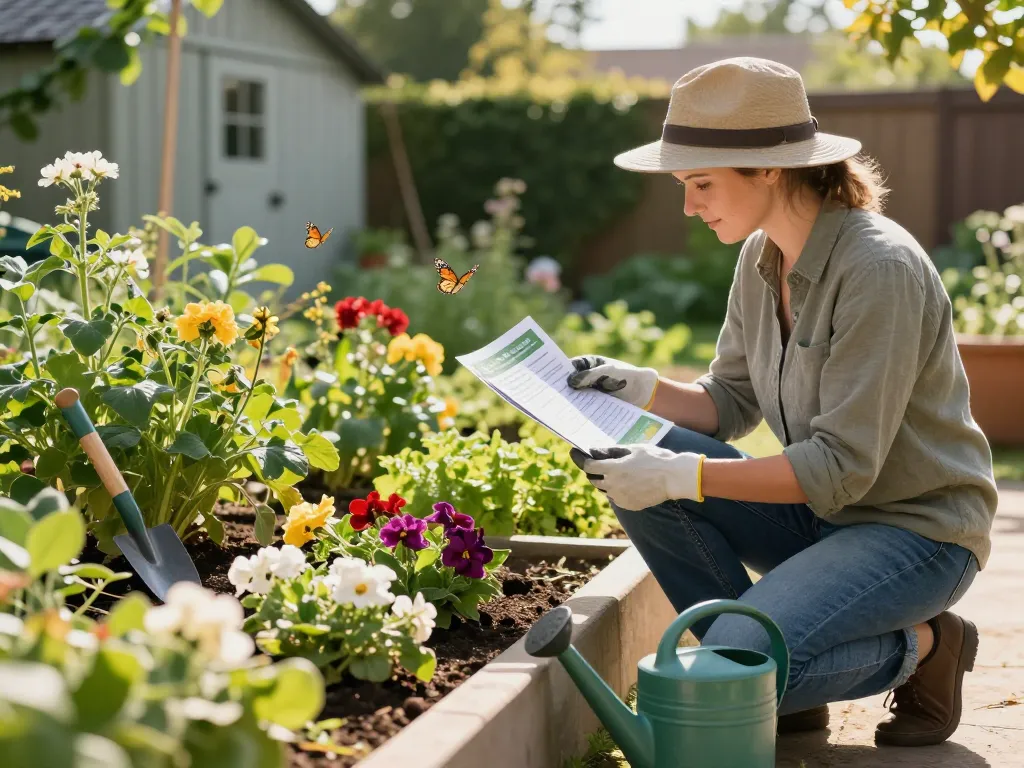

Understanding Common Pests in Home Gardens
Maintaining a healthy garden necessitates an awareness of the various pests that can threaten its vitality. Pests such as aphids, caterpillars, and beetles can wreak havoc on your plants if they are not identified and managed effectively. Understanding their life cycles and behaviors is crucial to implementing effective pest control tips that protect your garden’s health.
Identifying Common Garden Pests
Early identification of pests is vital for effective control. Common garden pests include aphids, which are small and often found clustering on the undersides of leaves, and caterpillars that can quickly consume leaves. Identifying pests by their appearance and behavior can help you determine the best management strategies.
Life Cycles of Key Pests
Many garden pests undergo complex life cycles that influence their population dynamics. For instance, aphids reproduce quickly, with some species capable of giving birth to live young without mating, leading to explosive population growth. Understanding the life cycles of these pests can inform your timing for interventions.
Impact of Pests on Garden Health
Pests can cause direct damage to plants, leading to reduced yields and even plant death. They may also transmit diseases that can further compromise plant health. Keeping an eye on pest populations and the health of your plants is essential for maintaining a thriving garden.
Natural Pest Control Methods
Using natural pest control methods is not only environmentally friendly but often effective in managing pest populations. Traditional chemical management can lead to resistance and may harm beneficial insects in the ecosystem.
Using Companion Planting to Deter Pests
Companion planting involves growing different plants close to each other to enhance growth and deter pests. For example, marigolds are known to repel nematodes and other garden pests when planted alongside vegetables.
Homemade Pesticides: Recipes and Tips
Creating homemade pesticides from common kitchen ingredients can provide a safe and effective alternative to commercial products. A simple soap spray made from diluted dish soap can suffocate soft-bodied insects like aphids and spider mites.
Beneficial Insects for Pest Management
Encouraging beneficial insects, such as ladybugs and lacewings, can naturally reduce pest populations. These insects prey on common pests, promoting a balanced ecosystem within your garden.
Integrated Pest Management (IPM) Strategies
Implementing Integrated Pest Management (IPM) provides a comprehensive approach to managing pests effectively. This strategy combines various tactics for a more sustainable gardening practice.
Steps for Implementing IPM in Gardens
Begin by monitoring pest populations and assessing the need for control measures. Then, combine cultural, physical, biological, and chemical tactics to manage pests while minimizing risks to beneficial organisms.
Monitoring and Assessment Techniques
Regular monitoring of your garden is essential to detect pest populations early. Use sticky traps or visual inspections to assess pest presence and determine the need for action.
Adjusting Strategies Based on Pest Activity
Be prepared to adjust your pest control strategies based on ongoing assessments. For example, if insect populations rise, you may need to increase the use of natural predators or homemade pesticides.
Seasonal Pest Control Tips
Each season presents unique challenges and opportunities for pest management in your garden. Staying proactive with pest control measures throughout the year will help reduce infestations.
Spring Preparations to Prevent Infestations
As the weather warms up, focus on cleaning up debris and examining your plants for early signs of pests. Implementing preventive measures, such as mulching and rotating crops, can help deter pests right from the start.
Summer Maintenance to Combat Pests
During the growing season, regularly inspect your plants for any pest activity. Maintain healthy plants by ensuring they receive appropriate water and nutrients, as a strong plant is less susceptible to pest damage.
Fall Clean-Up and Pest Prevention Strategies
After harvesting, clean up garden debris to eliminate potential pest habitats. Consider planting cover crops that can provide habitat for beneficial insects over winter, contributing to pest management in the following spring.
Tools and Resources for Effective Pest Control
Having the right tools and resources can significantly enhance your pest management efforts. From physical tools to educational resources, being prepared is key to successful gardening.
Top Essential Gardening Tools for Pest Management
Invest in essential tools such as hand trowels, pruning shears, and insect nets. These tools can help you manage pests more effectively and maintain the health of your plants.
Recommended Reading and Online Resources
Books and online resources about pest management can provide valuable insights and updated information. Look for guides that focus on organic gardening practices and pest identification guides.
Joining Local Gardening Communities for Advice
Engaging with local gardening groups can provide support and additional pest control tips tailored to your specific climate and conditions. Sharing experiences and solutions can be invaluable in managing garden pests.
What are the most effective pest control tips?
Effective pest control involves a combination of identification, preventive measures, and active management. Key strategies include monitoring, utilizing beneficial insects, and practicing proper sanitation.
How can I prevent pests in my garden naturally?
To prevent pests naturally, implement methods such as companion planting, maintaining healthy soil, and encouraging beneficial insect populations. Regularly inspecting your garden also helps catch problems early.
What are the signs of pest infestations in gardens?
Signs of pest infestations can vary but often include visible damage to plants, such as chewed leaves or holes, sticky residue on surfaces, and the presence of insects themselves. Early detection is crucial for effective management.
Which plants attract beneficial insects?
Plants like dill, fennel, and yarrow are excellent for attracting beneficial insects, such as ladybugs and hoverflies, that prey on pest populations. Incorporating these plants into your garden can bolster your pest management efforts.
How frequently should I check for pests?
Regular inspections should occur at least once a week throughout the growing season. Increased frequency may be necessary during peak pest activity or after rainfall, which can boost pest reproduction rates.