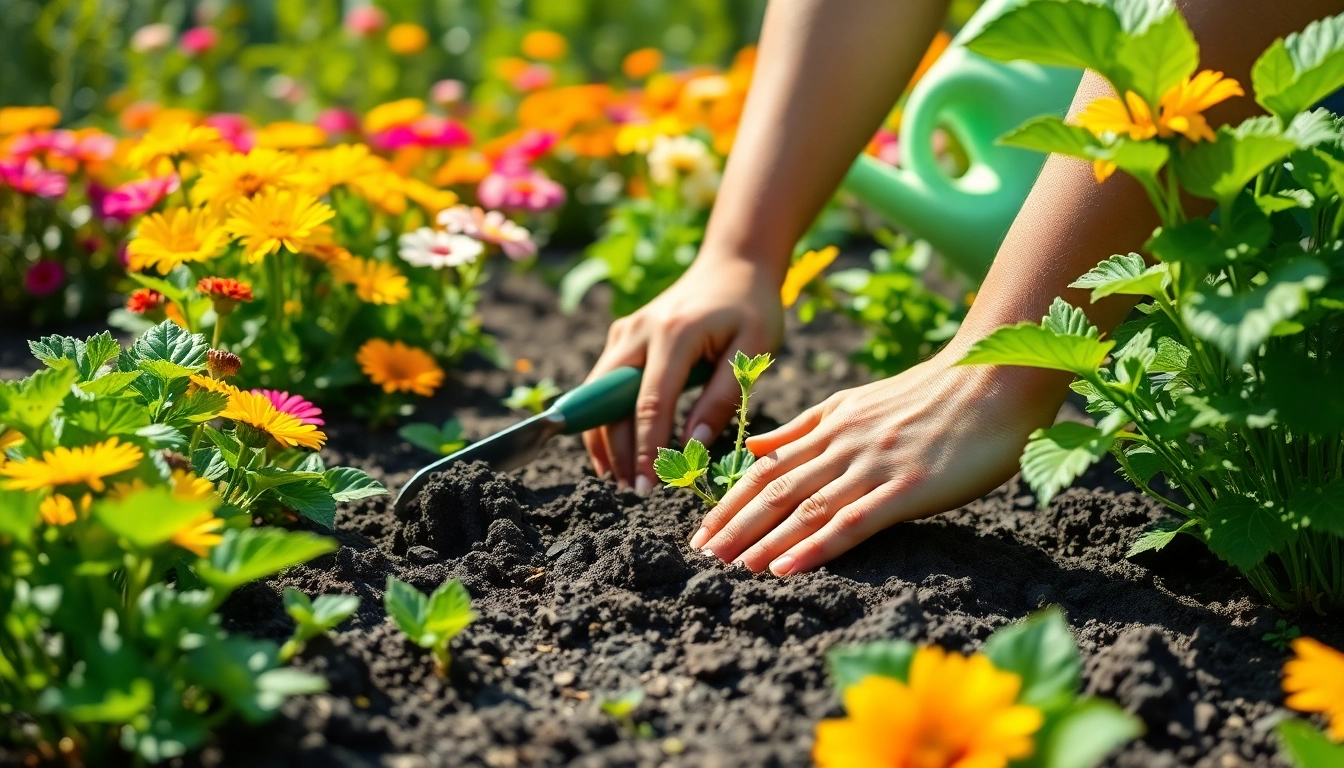
Understanding the Basics of Gardening
Defining Gardening and its Importance
Gardening is the art and science of cultivating and nurturing plants. It encompasses a variety of practices, from planting flowers and vegetables to maintaining lush lawns and creating decorative landscapes. Not only is gardening a fulfilling hobby, but it also serves a more profound purpose: fostering a connection between humans and nature. Engaging in Gardening offers numerous benefits, including improving mental health, enhancing physical fitness, and contributing to environmental sustainability.
Gardens provide essential habitats for wildlife, including birds, bees, and beneficial insects. By growing your own food, you become more self-sufficient and promote healthier eating habits. Moreover, gardening encourages mindfulness, providing an opportunity to relieve stress by immersing oneself in the tranquility of nature.
Essential Gardening Tools for Beginners
Every gardener needs the right set of tools to ensure their gardening efforts are effective and enjoyable. Here are some fundamental tools that beginners should consider investing in:
- Hand Trowel: A versatile tool for planting, digging, and transferring soil.
- Pruning Shears: Ideal for trimming and shaping plants, keeping growth manageable.
- Garden Fork: Useful for loosening and aerating soil.
- Watering Can: Ensures effective watering while minimizing waste.
- Garden Gloves: Protect your hands while working with soil and plants.
- Rake: Helps in gathering leaves and leveling soil surfaces.
As you advance in your gardening journey, you may find additional tools, such as wheelbarrows, hoes, and specialized planters, beneficial. Selecting quality tools can significantly impact both the enjoyment and efficiency of your gardening efforts.
Choosing the Right Location for Your Garden
The location of your garden is critical to its success. Here are some key factors to consider:
- Sunlight: Most plants require at least 6-8 hours of sunlight daily. Observe the sunlight patterns in your yard to identify the best spots.
- Soil Quality: Well-drained, nutrient-rich soil promotes healthy plant growth. Conduct a soil test to understand its pH and nutrient content.
- Water Access: Proximity to a water source will make maintaining your garden easier, especially during dry spells.
- Protection from Wind: Shelter from strong winds can prevent damage to fragile plants.
- Accessibility: Ensure that your garden is easy to reach for maintenance tasks and harvesting.
Soil Preparation and Planting Techniques
Evaluating Soil Quality and Nutrients
Healthy soil is fundamental for successful gardening. To evaluate soil quality, consider the following steps:
- Conduct a Soil Test: Test for pH, nitrogen, phosphorus, and potassium levels. This information will guide your amendments.
- Observe Soil Texture: Soil should feel crumbly and not compacted. It should retain some moisture but not be overly soggy.
- Add Organic Matter: Incorporating compost or aged manure can enrich your soil and improve its structure.
Regularly amend your soil with natural fertilizers and organic materials to ensure a consistent nutrient supply as you cultivate your garden.
Planting Methods: Seeds vs. Seedlings
Choosing between planting seeds or seedlings depends on your preferences and gardening goals. Here’s a breakdown of both methods:
- Seeds: Planting seeds allows you to grow a diverse array of plants from the very beginning. However, seeds require careful monitoring for moisture and germination conditions. This method often takes longer to yield results.
- Seedlings: Purchasing or starting seedlings can jumpstart your garden by giving plants a stronger head start. Seedlings have already developed roots and leaves, which means they are often more resilient to shock when transplanted.
Each method has its advantages, and many gardeners opt for a combination of both, allowing for diversity in their gardens while minimizing challenges associated with each approach.
Seasonal Considerations in Gardening
Gardening is heavily influenced by seasonal cycles. Understanding which plants thrive during specific seasons will enhance your success:
- Spring: Ideal for planting cool-weather crops such as lettuce, peas, and radishes. As the frost leaves, transition to warm-weather crops like tomatoes and peppers.
- Summer: A peak growing season; keep an eye on watering and pest control as plants reach maturity.
- Fall: Time for harvesting summer crops and planting fall favorites like kale, turnips, and garlic.
- winter: Focus on planning and preparation for the upcoming growing season. Consider starting an indoor herb garden or utilizing cold frames to extend the growing season for certain crops.
Watering and Maintenance Best Practices
Understanding Watering Needs of Plants
Watering is vital for plant health, but knowing how and when to water is crucial. Here are some best practices:
- Water Deeply: Water less frequently but deeply during dry periods to encourage strong root development.
- Early Morning Watering: Watering in the early morning minimizes evaporation and allows plants to absorb moisture before the heat of the day.
- Use Mulch: Applying mulch around plants helps retain soil moisture and prevents weeds from competing with your plants for water and nutrients.
Monitoring weather conditions will also guide your watering schedule. Adjust based on rainfall and temperature to avoid overwatering or underwatering.
Weed Control Techniques for a Healthy Garden
Weeds can compete vocally with your plants for nutrients and water. Implement these effective weed control techniques:
- Manual Removal: Regularly pull weeds by hand or use a hoe to eliminate them while they are small and can be easily managed.
- Mulching: Besides conserving moisture, mulch acts as a barrier, suppressing weed growth.
- Cover Crops: Planting cover crops can outcompete weeds and enrich soil health.
By keeping a close eye on your garden, you can manage weed populations before they become overwhelming.
Using Mulch to Enhance Soil Quality
Mulching is a powerful method for enhancing soil quality and retaining moisture. Consider the following types of mulch:
- Organic Mulch: Chopped leaves, wood chips, and straw break down slowly, adding nutrients back into the soil as they decompose.
- Inorganic Mulch: Stones and plastic can control weeds effectively but do not contribute nutrients to the soil.
Apply mulch in a 2-3 inch layer around plants while leaving space around stems to prevent rot. This simple strategy can drastically improve the health and productivity of your garden.
Pest Management and Organic Solutions
Identifying Common Garden Pests
Recognizing common garden pests is the first step in managing them effectively. Some common culprits include:
- Aphids: Small, soft-bodied insects that suck the sap from plants, leading to stunted growth.
- Spider Mites: Tiny pests that cause speckled leaves and webbing around plants.
- Slugs and Snails: Known for their chewing damage, especially to young plants and seedlings.
Regularly inspecting your plants will help you catch pest problems early, allowing for more effective intervention.
Organic Pesticides and Alternatives
When dealing with pests, opt for organic solutions that minimize harm to beneficial insects and the environment. Consider these alternatives:
- Neem Oil: Derived from the seeds of the neem tree, this natural pesticide disrupts the life cycle of insects.
- Insecticidal Soap: Effective against soft-bodied insects like aphids and spider mites, it suffocates them on contact.
- Diatomaceous Earth: A powder made from fossilized algae that can effectively control soft-bodied insects and slugs.
Implement integrated pest management strategies that combine mechanical, biological, and chemical controls as needed.
Creating a Balanced Ecosystem in Your Garden
Encouraging biodiversity is essential for maintaining a healthy garden ecosystem. Here are some tips:
- Plant a Variety of Species: Diverse plantings attract beneficial insects and pollinators while providing different habitats.
- Encourage Beneficial Insects: Attract ladybugs, lacewings, and predatory wasps that naturally control pest populations.
- Companion Planting: Pairing specific plants can boost growth and deter pests effectively. For instance, planting marigolds near vegetables deters nematodes and attracts pollinators.
Creating a balanced ecosystem will not only enhance the health of your plants but also improve resilience against pests and disease.
Harvesting and Enjoying Your Gardening Success
When to Harvest: Signs of Readiness
Knowing when to harvest is key to ensuring peak flavor and quality. Here are some signs to look for:
- Color Changes: Many fruits and vegetables indicate readiness through color change, such as red tomatoes or yellowing squash.
- Size and Firmness: Vegetables like zucchini should be harvested when still small and firm.
- Aroma: Ripe fruits often emit a sweet, fragrant aroma indicating their readiness.
Timing your harvest can vary by plant variety, so familiarize yourself with the specific needs of each crop.
Best Practices for Preserving Your Garden's Produce
To enjoy your garden bounty year-round, consider these preservation methods:
- Canning: Sterilize jars, fill with produce, and seal to enjoy garden-fresh flavor long after the harvest.
- Freezing: Many fruits and vegetables can be frozen for extended storage. blanching certain vegetables before freezing can help maintain flavor and texture.
- Drying: Dehydrating fruits and herbs is an effective way to preserve their flavor and nutrients without refrigeration.
Each method has its nuances, but the rewards of preserving your harvest can be incredibly satisfying.
Sharing Your Gardening Journey: Community Engagement
Engaging with your gardening community can enhance your experience and extend your knowledge. Here are ways to get involved:
- Join Local Gardening Clubs: Connect with like-minded individuals who share your passion and can provide time-tested tips.
- Attend Workshops: Many communities offer free or low-cost gardening workshops focusing on various aspects of gardening.
- Share Produce: Creating relationships with neighbors by sharing your bounty fosters a supportive gardening community.
Sharing knowledge, resources, and experiences enriches your gardening journey and can lead to lasting friendships.