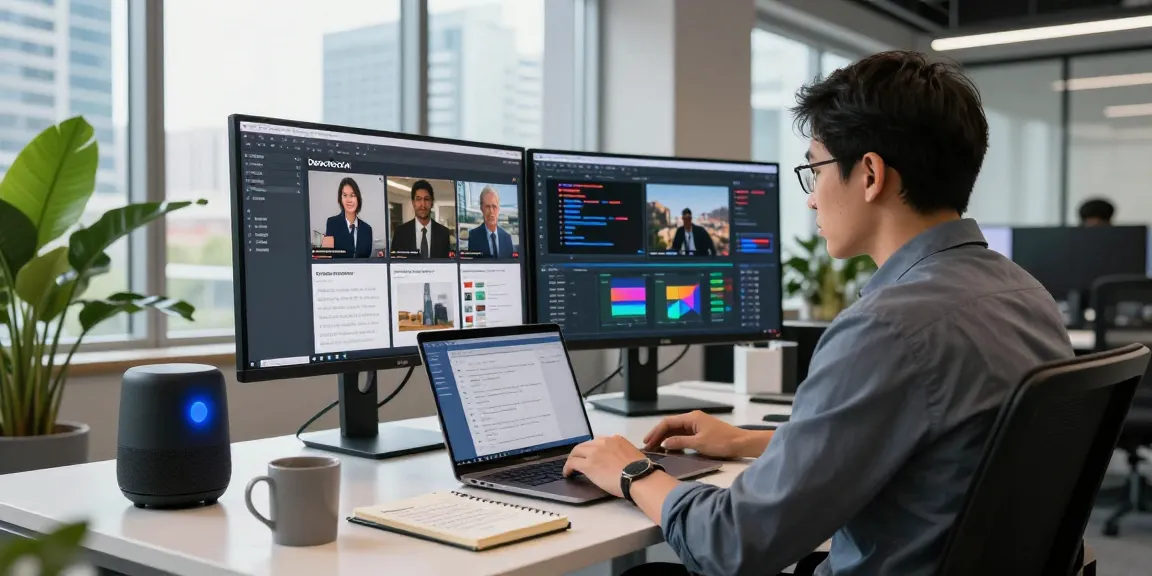
Understanding AI Detectors for Content Moderation
In the digital age, the proliferation of content generated by both users and advanced AI models has made effective content moderation paramount. The rise of various artificial intelligence technologies has provided businesses with advanced solutions to manage the quality and safety of their platforms. One such solution is the ai detector, a tool designed to effectively analyze and filter content across images, videos, and text. This comprehensive approach not only ensures compliance with community standards but also enhances user experience by minimizing exposure to harmful material.
What is an ai detector?
An AI detector is a sophisticated tool that employs machine learning algorithms to identify and flag content that may violate platform guidelines. It utilizes advanced models trained on vast datasets, enabling it to discern between benign and harmful material including explicit imagery, hate speech, and spam. The reliability of AI detectors lies in their ability to adapt to new content types and emerging threats, providing a dynamic defense mechanism for online platforms.
The importance of content moderation today
Content moderation has become more critical than ever as social media, forums, and online communities continue to grow. With the volume of user-generated content skyrocketing, ensuring that platforms remain safe and welcoming requires robust moderation strategies. Effective moderation not only protects users from exposure to distressing or harmful content but also preserves the integrity and reputation of platforms.
How AI technology enhances moderation efficiency
AI technology significantly enhances the efficiency of content moderation by automating the analysis and filtering processes that would otherwise require extensive human resources. By employing neural networks and contextual understanding, AI detectors can quickly evaluate content against defined parameters, significantly reducing the time taken to identify violations. This automation allows for proactive engagement in maintaining community standards while minimizing the risk of human error.
Key Features of Effective AI Detection Solutions
High accuracy and low false positives explained
One of the most critical metrics for evaluating an AI detector is its accuracy. High accuracy means that the system accurately identifies harmful content while minimizing false positives—instances where innocent content is incorrectly flagged. This is especially important in sensitive content categories where misjudgments can lead to user dissatisfaction or reputational damage. The latest AI detectors employ complex algorithms and extensive machine learning techniques to achieve high levels of precision, ensuring a balanced approach to content moderation.
Customizable moderation rules for diverse platforms
Every platform has its unique community standards and requirements. Customizable moderation rules allow businesses to tailor AI detection systems to their specific needs. This flexibility ensures that moderation policies align with platform values and user expectations, enabling effective management of category-specific content such as nudity, violence, and hate symbols.
Context-aware intelligence in content analysis
Context-aware intelligence is another critical feature of modern AI detectors. This capability allows the system to understand the context of a piece of content rather than merely identifying keywords or images. For example, an AI model can distinguish between an innocent beach photo and explicit material, significantly reducing false positive rates. Context-aware systems continuously adapt through learning algorithms, which not only enhances accuracy but also fosters a more nuanced understanding of content as it evolves.
Implementing an AI Detector: Best Practices
Assessing your platform's specific needs
Before integrating an AI detector, it's essential to assess your platform's specific needs and moderation challenges. This involves analyzing the type of content being shared, the demographics of your user base, and the potential risks associated with unmoderated content. A thorough understanding will inform the implementation process and help in configuring moderation rules that resonate with your audience.
Step-by-step guide to integration
Implementing an AI detector requires a structured approach. Here’s a step-by-step guide:
- Define Objectives: Clearly outline your moderation goals and what you wish to achieve.
- Select an AI Detector: Research reputable AI detection platforms with proven capabilities.
- Configure Moderation Rules: Customize rules based on your platform’s needs, focusing on important content categories.
- Integrate the System: Work with developers to incorporate the detection system seamlessly into your platform.
- Test the System: Conduct thorough testing to ensure optimal performance and adjust settings as needed.
- Gather Feedback: Obtain user feedback post-implementation to refine the moderation process.
Measuring success: Key performance indicators
Once integrated, it’s vital to monitor the performance of your AI detector through clear key performance indicators (KPIs). Metrics to consider include:
- Accuracy Rate: The percentage of correctly identified content.
- False Positive Rate: The frequency of innocent content being wrongly flagged.
- User Feedback: Insights from the community regarding their experience with content moderation.
- Response Time: The speed at which the system flags inappropriate content.
Challenges and Solutions in AI Content Moderation
Common misconceptions about AI detectors
One prominent misconception is that AI detectors can completely replace human moderators. While AI can automate many aspects of moderation, human oversight is still crucial for nuanced decision-making, especially in complex situations where context matters. Understanding these limitations allows businesses to utilize AI detectors effectively as part of a broader moderation strategy.
Addressing privacy concerns with AI technology
As with any technology that analyzes user-generated content, privacy concerns are paramount. It's critical for companies to ensure transparency regarding how data is used and to implement robust data protection measures. Employing AI in a responsible manner not only protects user privacy but also builds trust within the community.
Adapting to emerging threats in digital content
The digital landscape is constantly evolving, leading to new types of harmful content. Effective AI detectors must be built with adaptability in mind, enabling them to learn from new data and combat emerging threats. Regular updates and adjustments to the AI models are essential to maintaining a safe online environment.
The Future of AI Detection in Content Moderation
Trends shaping the industry by 2026
Looking forward to 2026, several trends are poised to shape the future of AI detection in content moderation:
- Increased Regulation: As governments introduce stricter regulations on online content, AI detectors will need to evolve to meet compliance requirements.
- Enhanced AI Models: Continuous advancements in AI technology will lead to more sophisticated models capable of nuanced content analysis.
- Integration of Ethical Considerations: Companies will prioritize ethical AI use, ensuring fairness and transparency in moderation systems.
Case studies of successful implementations
Several organizations have successfully integrated AI detectors into their moderation processes, leading to improved outcomes. For instance, a popular social media platform adopted an AI detection system that reduced hate speech incidents by over 60% within six months. Similarly, an online marketplace saw an 80% decrease in fraudulent listings after implementing tailored moderation rules supported by AI technology.
Preparing for technological advancements in AI
As technology rapidly evolves, companies must remain proactive in preparing to incorporate the latest advancements in AI detection. This may involve continuous training for staff, updating systems to include new AI capabilities, and staying informed about industry trends. By fostering a culture of innovation and adaptability, organizations can ensure they are at the forefront of effective content moderation.