

Introduction to Sports Broadcasting
Sports broadcasting has evolved significantly over the decades, emerging as a dominant field that merges technology, communication, and entertainment. It serves not only to share live sports events with audiences but also to create a multi-dimensional experience that captivates fans around the world. By understanding the intricacies of Sports Broadcasting, we can explore its importance, evolution, and current landscape.
Understanding the Role of Sports Broadcasting
The primary role of sports broadcasting is to deliver live coverage of sporting events, bringing the action directly to viewers. Over time, however, it has become an integral part of the sports industry, providing insights, analysis, and commentary that enrich the viewing experience. Broadcasters serve as the intermediary between the sport and its audience, translating the thrill of the game into engaging narratives that enhance fan connection. This role also includes developing content that caters to various audience demographics, helping to maximize reach and engagement.
Historical Overview of Sports Broadcasting
The inception of sports broadcasting can be traced back to the early 20th century, with radio broadcasts emerging as the first means to share sports events with a broader audience. The advent of television in the 1950s revolutionized the industry, allowing fans to witness the excitement of live events in their homes. As technology has advanced, so too has the way sports are presented—transitioning from radio to television and now to streaming platforms, ensuring accessibility for audiences worldwide. Understanding this history provides valuable insights into its current trends and future directions.
Current Trends in Sports Broadcasting
Today, sports broadcasting is experiencing a wave of transformation fueled by technological advancements. Streaming services have gained prominence, allowing viewers to consume content on-demand. This shift alters traditional broadcasting schedules and makes sports more accessible. Additionally, data analytics play a crucial role, providing broadcasters with deeper insights into gameplay and audience preferences. These trends highlight the dynamic nature of sports broadcasting, where adaptation and innovation are necessary for success.
Key Components of Effective Sports Broadcasting
Essential Equipment for Sports Broadcasting
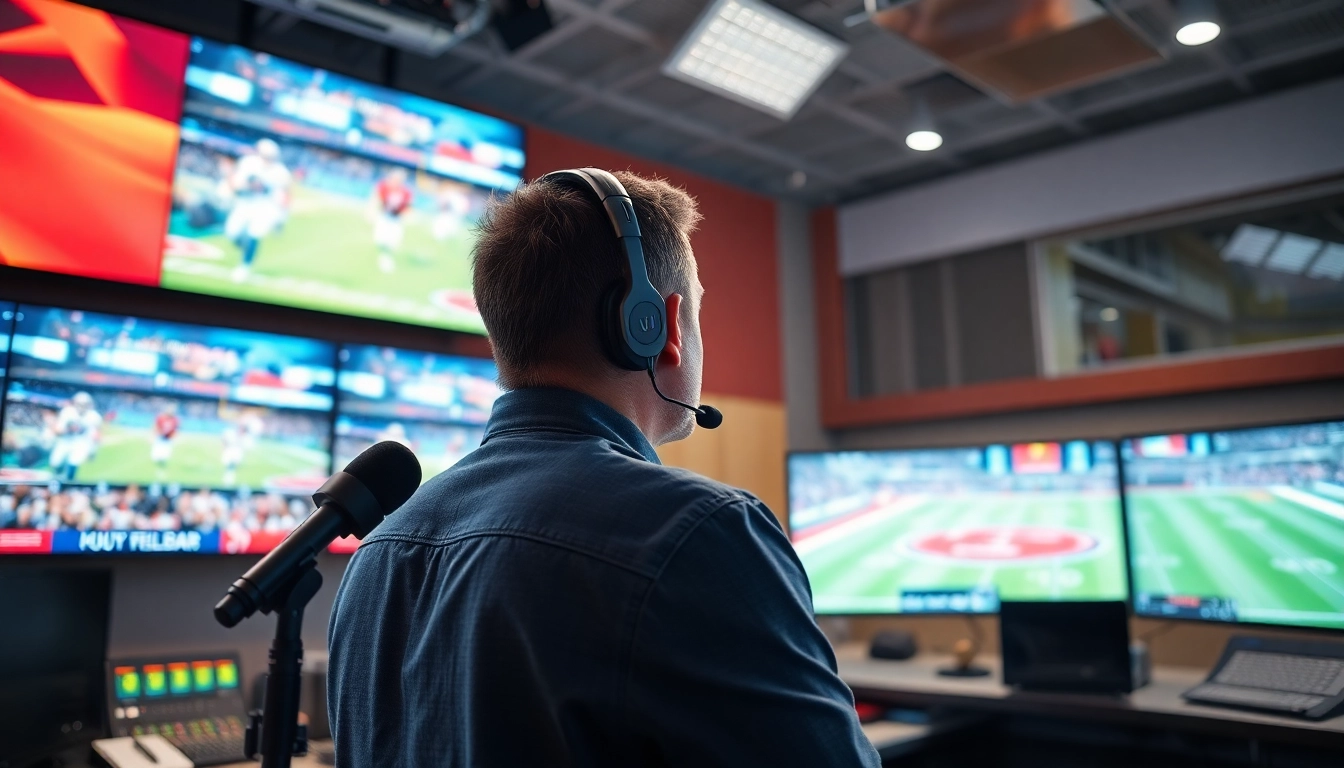
To produce high-quality sports broadcasts, a variety of equipment is necessary. Cameras need to capture the action with clarity, while microphones must ensure that commentary and crowd reactions are crisp and clear. Advanced graphics systems are employed to deliver real-time statistics and enhance visual storytelling. Moreover, control rooms are integral, allowing teams to coordinate the full production seamlessly. Investing in the latest technology can significantly improve the quality of broadcasts, ensuring that viewers receive an immersive experience.
Technology Impacting Sports Broadcasting
Technology has revolutionized sports broadcasting in various ways. High-definition cameras and drones provide breathtaking aerial views of events. Virtual reality (VR) and augmented reality (AR) are enhancing fan engagement by bringing them closer to the action, even from home. Moreover, artificial intelligence helps in the automation of some broadcasting tasks, allowing for real-time analysis and tailored content delivery. Understanding these technologies is not just beneficial; it is essential for broadcasters looking to stay competitive and relevant in a rapidly evolving landscape.
Roles and Responsibilities of Sports Broadcasters
Sports broadcasters occupy crucial roles in ensuring that the broadcast is engaging and informative. From play-by-play commentators who narrate the action to analysts who provide in-depth breakdowns and insights, each role contributes to a comprehensive viewing experience. Additionally, production teams, including directors and producers, work tirelessly behind the scenes to manage everything from camera angles to graphics. Understanding these roles helps in appreciating the collaborative effort necessary to deliver high-quality broadcasts.
Enhancing Viewer Experience in Sports Broadcasting
Interactive Features and Audience Engagement
Enhancing viewer experience through interactivity has become a focal point in sports broadcasting. Interactive features such as polls, live Q&A sessions, and real-time social media integration allow audiences to engage directly with broadcasts. This not only increases viewer participation but also fosters a sense of community among fans. Techniques such as gamification can be employed, where viewers can predict outcomes and earn rewards, further heightening engagement.
Utilizing Social Media for Sports Broadcasting
Social media platforms play an essential role in sports broadcasting, providing channels for engagement and content distribution. Broadcasters can utilize these platforms to share highlights, behind-the-scenes content, and real-time updates, attracting a larger audience. Furthermore, social media analytics provide invaluable insights into viewer preferences, enabling broadcasters to tailor content effectively. By leveraging these platforms, broadcasters can create a multi-faceted approach that enhances viewer engagement and broadens reach.
Creating Compelling Content in Sports Broadcasting
Content is king in sports broadcasting. Creating compelling narratives around games, athlete profiles, and historical retrospectives can enhance viewer interest. Incorporating personal stories, analysis, and expert commentary can elevate the viewing experience from simple entertainment to an enriching journey. Broadcasters should aim to craft narratives that resonate with their audience, sparking conversations and enhancing loyalty.
Challenges in Sports Broadcasting
Navigating Regulatory Issues in Sports Broadcasting
Sports broadcasters must navigate a complex web of regulatory challenges that can affect programming, broadcasting rights, and content distribution. Different regions have varied laws and regulations concerning broadcasting, copyright, and licensing, which can be quite challenging to manage. Staying updated with these regulations and ensuring compliance is crucial for maintaining credibility and avoiding potential legal issues. Broadcasters must allocate resources for legal consultations and audits to ensure their operations remain above board.
Managing Live Broadcasts and Unexpected Events
Live broadcasts come with their unique set of challenges, particularly when unexpected events occur—such as injuries, weather interruptions, or technical failures. Preparing for these eventualities with contingency plans is vital. Broadcasters should have backup systems and a well-trained team that can adapt quickly without diminishing the viewer experience. Good communication and flexibility are key when handling live broadcasts.
Addressing Audience Preferences and Expectations
Understanding audience preferences is paramount in sports broadcasting, as expectations constantly shift. Broadcasters must stay attuned to viewer feedback and industry trends to provide relevant content. This may include incorporating more in-depth analytics, offering diverse commentary styles, or catering to varying demographic interests. Utilizing data analytics to gauge audience behaviors can inform programming decisions, thus enhancing viewer satisfaction and retention.
Future of Sports Broadcasting
Emerging Technologies Shaping Sports Broadcasting
As technology continues to advance, new tools and platforms are emerging that shape the future of sports broadcasting. Technologies like 5G are set to enhance streaming quality, offering viewers faster, uninterrupted access to live events. Additionally, improvements in AI and machine learning can revolutionize content creation, personalizing viewer experiences based on preferences. Staying ahead of these technological trends is essential for broadcasters looking to maintain a competitive edge.
Future Trends in Audience Engagement and Interactivity
The future of audience engagement lies in deeper interactivity and integration. As virtual and augmented reality become more mainstream, audiences will experience sports in new and immersive ways. Broadcasters may also embrace more personalized content delivery, where viewers receive tailored broadcast experiences based on their preferences and behaviors. This shift will foster loyalty and keep audiences engaged longer.
Predicted Changes in Sports Broadcasting Landscape
The sports broadcasting landscape will likely continue to evolve, driven by technological advancements and changing viewer preferences. Traditional broadcasting models may shift toward more agile, on-demand formats, while digital platforms become the primary medium for sports consumption. As the industry adapts, broadcasters must be prepared to innovate continuously and embrace new methodologies to captivate audiences in the increasingly competitive market.
Frequently Asked Questions
What is sports broadcasting?
Sports broadcasting involves the live transmission of sports events via television, radio, or online platforms, providing commentary, analysis, and audience engagement.
How has technology impacted sports broadcasting?
Technology has transformed sports broadcasting through high-definition streaming, social media integration, and the use of advanced analytics and graphics, enhancing viewer experience and engagement.
What roles do sports broadcasters play?
Sports broadcasters include commentators, analysts, producers, and technical teams, each playing a vital role in delivering an engaging broadcast experience to viewers.
What are the main challenges in sports broadcasting?
Main challenges include regulatory compliance, managing live broadcast uncertainties, and adapting to evolving audience expectations and preferences.
What trends are emerging in sports broadcasting?
Emerging trends in sports broadcasting include interactive features, personalized content delivery, and the utilization of virtual reality to enhance viewer engagement.