
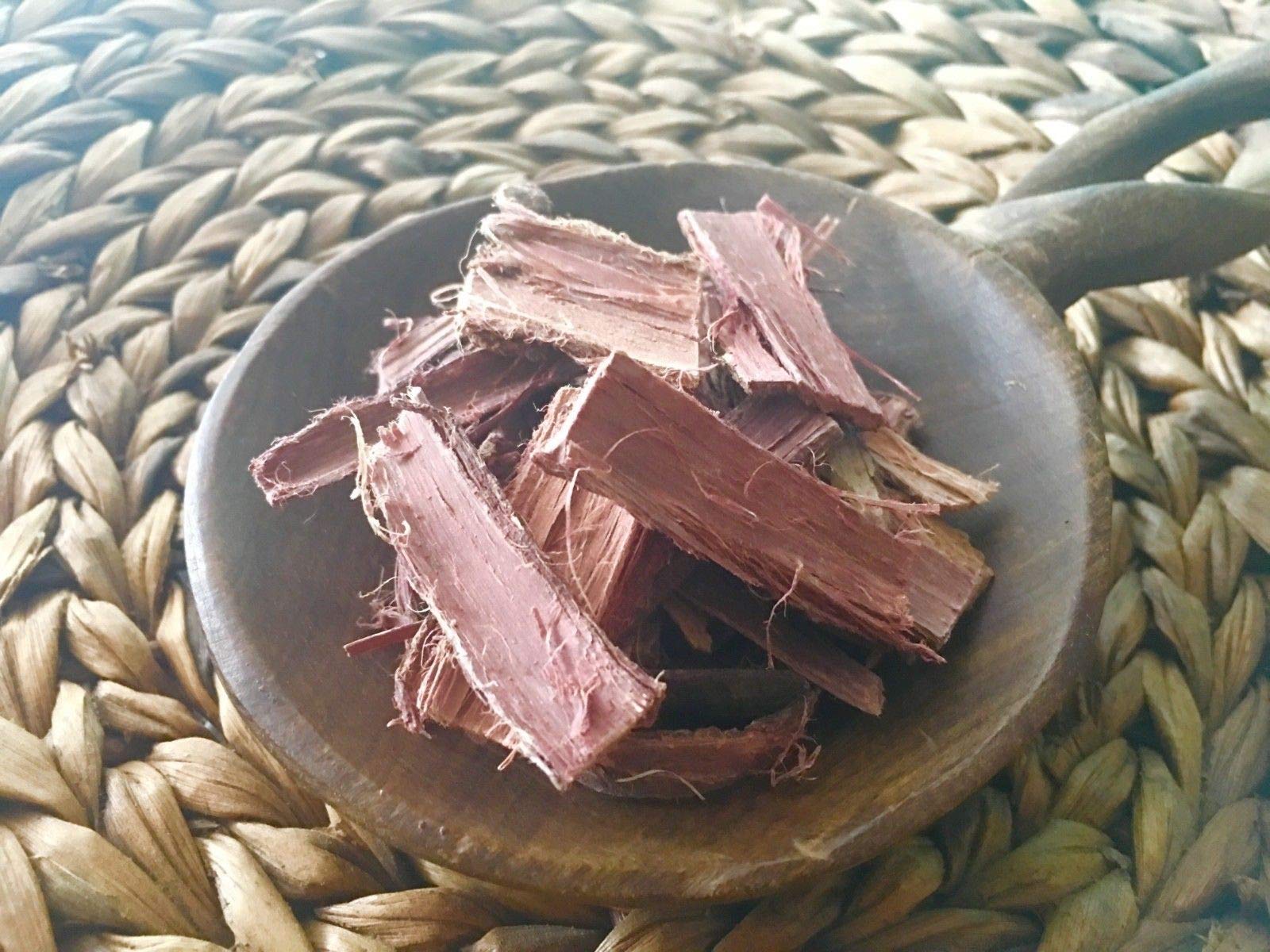

Natural dyeing has become a favored craft among textile artists, sustainability advocates, and hobbyists who want to color fabrics without relying on synthetic chemicals. Among the many plant-based dye sources available, Jurema root bark stands out for its rich, earthy tones and impressive versatility. Working with Jurema root bark allows you to create warm natural shades while staying connected to traditional, eco-conscious dyeing methods that honor both craft and environment.
Understanding the Natural Qualities of Jurema Root Bark
The first step toward successful dyeing is getting familiar with what makes Jurema root bark such a reliable natural colorant. This bark is known for its high tannin content, a natural compound that binds pigments to fibers and results in colorfast, long-lasting dye work.
Why the Bark Produces Such Rich Color
Tannins and other plant compounds found in Jurema root bark respond beautifully to gentle heat, releasing pigments that shift between pinks, soft browns, and earthy neutrals. Because these compounds bind readily to both protein and cellulose fibers, artisans rely on Jurema root bark for predictable, consistent results.
Preparing Your Materials Before Dyeing
A smooth dyeing experience begins with the proper preparation of both the bark and your fabric. Start by cleaning and hydrating your bark pieces to maximize pigment release. Meanwhile, prepare your fabrics by washing away oils, sizing, or residue that could block absorption.
Breaking Down the Bark
Chop or grind the dried pieces of Jurema root bark into smaller fragments to increase surface area. The more exposed the bark becomes, the more efficiently the dye will transfer. A well-prepared batch of Jurema root bark ensures stronger color extraction later.
Scouring Your Fabric
Before dyeing, scour natural fibers thoroughly. Clean, open fibers take up the dye from Jurema root bark more evenly, making this step essential for achieving smooth, uniform color.
Creating a Strong and Balanced Dye Bath
Once your materials are ready, it’s time to create the dye bath. This step determines the depth and richness of the final color, so patience and careful temperature control matter.
Simmering the Bark
Place the chopped Jurema root bark in a pot, cover it with water, and heat gently. Avoid boiling—the pigments release best at a steady simmer. After one to two hours, allow the mixture to cool and steep overnight. Slow extraction unlocks the full spectrum of shades available from Jurema root bark.
Straining and Adjusting Strength
Strain out the solid bark pieces to create a smooth dye bath. If you prefer deeper tones, reduce the liquid slightly or add more extracted pigment from fresh Jurema root bark. For lighter shades, dilute with water.
Mordanting for Better Absorption
Mordants help fix dye into the fiber. Selecting the right mordant makes a noticeable difference in the outcome of your fabric.
Choosing the Right Mordant
Alum is a popular option for enhancing warm hues from Jurema root bark, producing balanced, earthy tones. Iron shifts the color toward deeper, muted browns—perfect for rustic or vintage looks inspired by Jurema root bark.
Testing Small Samples
Before dyeing your full piece, test a small swatch. This allows you to verify how your chosen mordant interacts with the pigments extracted from Jurema root bark, helping you fine-tune your process.
Applying the Dye to Fabric
With your dye and fabric ready, you can begin the immersion process. Slow movements and even distribution help ensure a uniform finish.
Immersion Techniques
Submerge the fabric into the dye bath and stir regularly. Consistent movement keeps pigments from Jurema root bark circulating and prevents dark patches or uneven streaks. Keep the pot warm but not boiling to maintain optimal color release.
Layering for Depth
For richer, more dimensional shades, dye your fabric in layers. Multiple dips build depth slowly, allowing Jurema root bark to create nuanced, hand-crafted tones that feel organic and textured.
Caring for Jurema-Dyed Fabrics
Caring for naturally dyed textiles is simple but important for preserving their beauty. Wash dyed items gently in cool water with a mild, pH-neutral soap. Air-dry away from harsh sunlight to prevent fading. With proper care, the earthy colors created from Jurema root bark will remain vibrant and durable.
Conclusion
Natural dyeing is a rewarding practice, and Jurema root bark offers one of the most dependable and beautiful ways to bring organic color into your fabric projects. Its tannin-rich makeup, flexible palette, and compatibility with many fibers make Jurema root bark an invaluable resource for beginners and experienced dyers alike. Whether you’re creating garments, home textiles, or artisan pieces, experimenting with Jurema root bark will help you develop a deeper appreciation for plant-based color and the timeless, handcrafted beauty it brings to your work.