
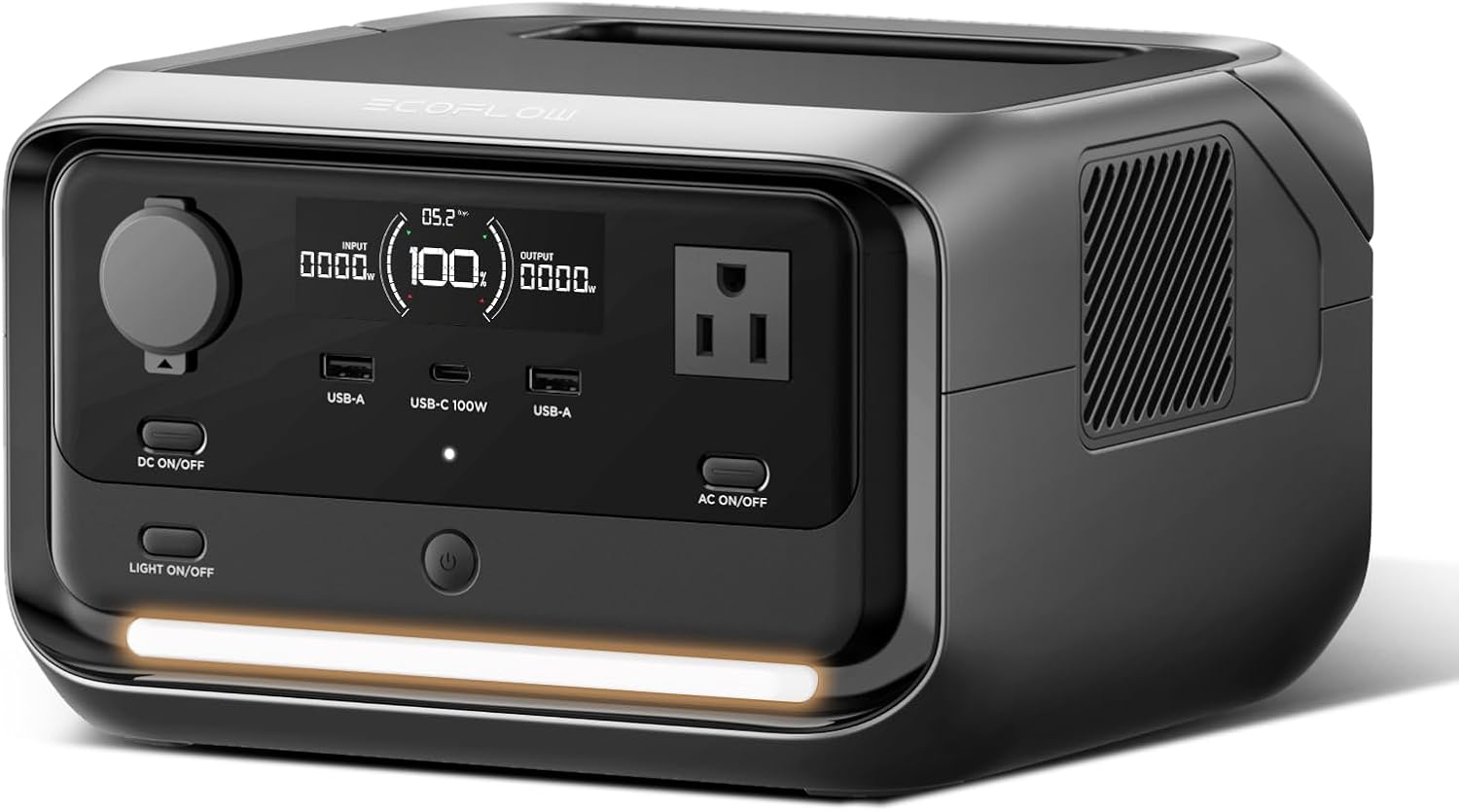

Power stations have become an essential part of modern life, providing reliable energy for homes, offices, and outdoor activities. At EcoFlow Philippines, we understand the importance of not only using power stations efficiently but also safely. Whether you are using a small portable Power station or a larger home unit, following proper safety measures can prevent accidents and extend the life of your device. In this article, we will provide key safety tips that every user should know when operating a power station.
Understanding Your Power Station
Before using any power station, it is crucial to understand its specifications and capabilities. Read the user manual carefully to know the maximum output, battery capacity, and supported devices. Each power station has unique features, and ignoring them can lead to overloading or potential hazards. Knowing your power station’s limitations ensures safe operation and prevents damage to both the device and your electronics.
Proper Placement of Your Power Station
One of the most important power station safety tips is placing it in a safe environment. Always keep your power station on a flat, stable surface away from direct sunlight, moisture, or flammable materials. Avoid placing it near water sources like sinks or outdoors during rain. Proper placement reduces the risk of overheating, electric shock, or fire hazards, keeping both your family and devices safe.
Charging Safety Tips
Charging your power station correctly is vital for safety. Always use the manufacturer-provided charger and avoid third-party charging equipment that may not meet the required standards. Do not charge your power station in extreme temperatures, as excessive heat or cold can damage the battery. It is also recommended to unplug the device once it reaches full charge to prevent overcharging, which could compromise battery health.
Avoid Overloading the Power Station
Overloading is a common mistake among power station users. Every power station has a maximum wattage output. Connecting devices that collectively exceed this limit can trigger overheating, reduce battery life, or even cause electrical fires. Always calculate the total wattage of the devices you plan to connect and ensure it is within your power station’s capacity.
Regular Maintenance and Inspection
Maintaining your power station ensures long-term safety and performance. Regularly inspect the device for physical damage, corrosion, or loose connections. Clean the terminals and ports to prevent dust accumulation, which could lead to electrical short circuits. Routine checks allow you to detect potential issues early, keeping your power station in optimal working condition.
Safe Storage Practices
When not in use, proper storage of your power station is essential. Store it in a cool, dry place away from flammable objects. Avoid leaving the power station completely discharged for extended periods, as this can reduce battery efficiency and lifespan. Instead, maintain a moderate charge level and check the device periodically to ensure it remains functional.
Using the Power Station Outdoors
Many users rely on portable power stations for outdoor activities like camping or boating. Outdoor use requires extra caution. Keep the power station protected from rain, dust, and direct sunlight. Avoid placing it on uneven or combustible surfaces. Ensure proper ventilation around the device to prevent overheating during extended use. Following these precautions can make your outdoor experience safer and more enjoyable.
Emergency Preparedness
A power station is a valuable tool during emergencies, but safety is paramount. Familiarize yourself with the emergency shutdown procedure in case of malfunction. Avoid touching the device with wet hands, and keep children away from the power station during power outages. Knowing these precautions can prevent accidents when relying on your power station in critical situations.
Understanding Battery Safety
The battery is the heart of your power station, and mishandling it can be dangerous. Do not attempt to disassemble or modify the battery, as it may lead to leakage, fire, or explosion. Only replace the battery with authorized components recommended by the manufacturer. Safe battery handling ensures that your power station remains reliable and risk-free.
Avoiding Common Mistakes
Many users make simple mistakes that compromise power station safety. Avoid connecting incompatible devices, exposing the unit to water, or using damaged cables. Never leave the power station unattended while charging or in use. By staying vigilant and following manufacturer guidelines, you can significantly reduce the risk of accidents.
Educate All Users
If multiple people use the power station, make sure everyone understands the safety rules. Clear instructions about proper usage, charging, and emergency procedures prevent misuse. Education is a simple yet effective step to ensure that the power station is used safely and efficiently by all household members.
Conclusion
A power station is a versatile and valuable tool, but safety should always be a top priority. By understanding your device, following proper charging and placement practices, avoiding overloading, and maintaining regular inspections, you can maximize both safety and performance. Whether for daily use or emergencies, adhering to these safety tips ensures that your power station remains a reliable energy source. At EcoFlow Philippines, we emphasize responsible usage to protect both the user and the environment. Remember, a safe power station is a reliable power station.