
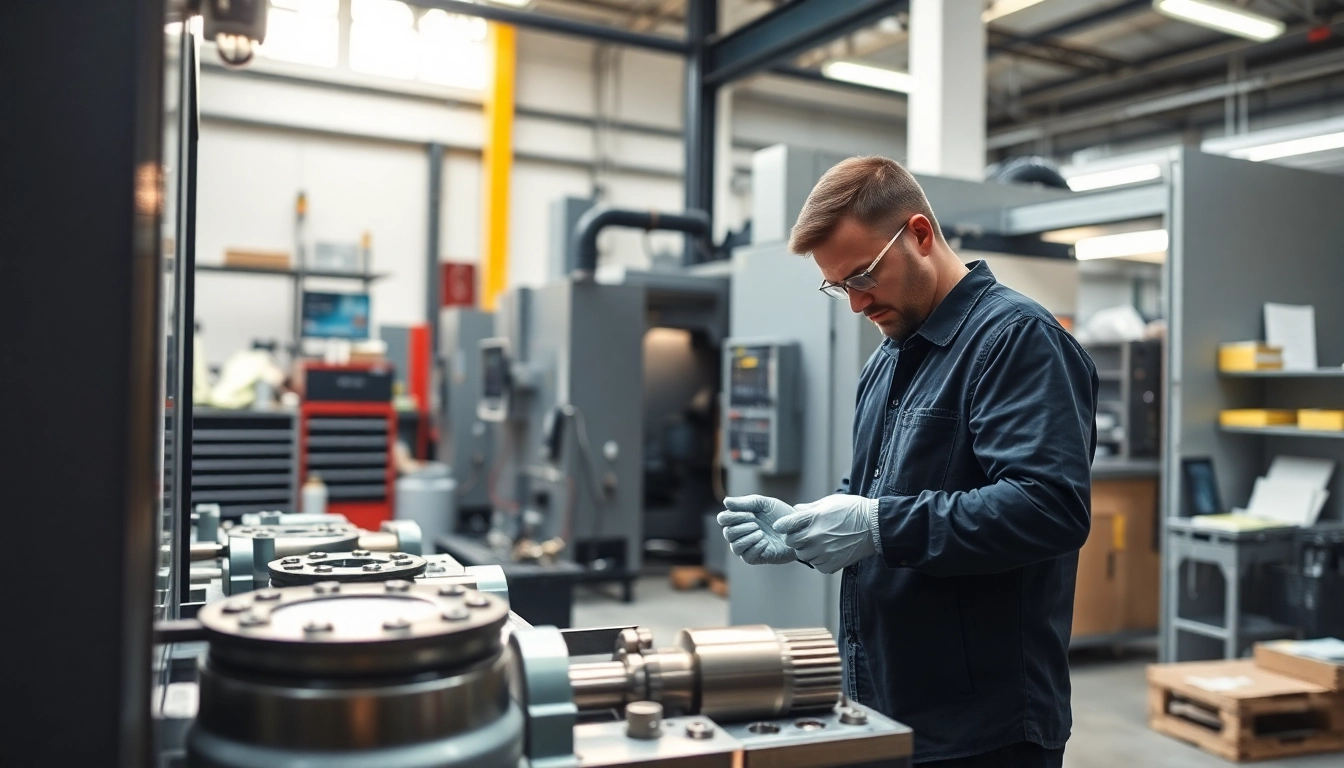

Understanding the Role of a Custom Part Manufacturer
The Definition of Custom Part Manufacturing
Custom part manufacturing is the practice of creating unique components tailored to specific requirements or designs provided by clients. This process often employs advanced technologies such as CNC machining, injection molding, and additive manufacturing (3D printing). By utilizing such methods, manufacturers can produce parts that meet precise specifications in terms of dimensions, material properties, and performance characteristics, accommodating a wide array of applications across various industries.
Key Industries Utilizing Custom Part Manufacturing
Multiple sectors benefit from custom part manufacturing, including:
- Aerospace: Components must adhere to strict safety and performance standards, often requiring specialized manufacturing techniques to achieve the necessary precision.
- Automotive: The automotive industry demands tailored components for everything from engines to fittings, where manufacturers create parts that perfectly fit existing systems.
- Medical Devices: Custom manufacturing is crucial for producing surgical instruments, implants, and diagnostic equipment, where compliance with health regulations is essential.
- Electronics: This sector relies on custom parts for housing components, connectors, and printed circuit boards, necessitating unique sizes and layouts.
- Consumer Goods: From specialized kitchen tools to furniture components, custom manufacturing allows companies to offer unique designs that differentiate them in the marketplace.
Benefits of Choosing a Custom Part Manufacturer
Opting for a custom part manufacturer offers various advantages:
- Precision and Accuracy: Custom manufacturers utilize state-of-the-art technologies to ensure that every part meets precise specifications, reducing the risk of error.
- Material Flexibility: They provide a broad range of materials, allowing for customization based on functional requirements, aesthetic preferences, and cost considerations.
- Cost-Effectiveness: While there may be upfront costs, using a custom manufacturer can result in savings over time by reducing waste and avoiding expensive redesigns.
- Rapid Prototyping: Manufacturers can quickly create prototypes that allow clients to test and iterate designs before moving to full-scale production.
- Scalability: Custom part manufacturers are equipped to handle orders of various sizes, from small batches to large-scale production runs, adapting to the client’s needs.
Types of Custom Manufacturing Processes
Common Techniques in Custom Part Manufacturing
Several techniques characterize the landscape of custom part manufacturing:
- CNC Machining: This subtractive manufacturing process utilizes computer-controlled tools to cut and shape materials with high precision, suitable for metals and plastics.
- Injection Molding: A process where molten material is injected into a mold, commonly used for producing plastic parts with intricate designs at scale.
- 3D Printing: Also known as additive manufacturing, it builds parts layer by layer, making it ideal for complex geometries and rapid prototyping.
- Laser Cutting: This method employs focused laser beams to cut various materials, providing clean edges and intricate designs efficiently.
- Metal Fabrication: Involves cutting, bending, and assembling metal structures based on custom designs for industries needing robust components.
Innovations in CNC Machining
CNC machining has undergone significant advancements in recent years, with innovations that enhance productivity and quality:
- Multi-Axis Machining: Modern CNC machines often feature multi-axis capabilities, permitting the creation of more complex parts in a single setup.
- Advanced Tooling: The development of new high-speed tools allows for faster machining, resulting in shorter lead times and reduced wear on equipment.
- Automation: Integrating automation technology enables continuous operation, minimizing downtime and improving overall efficiency in manufacturing processes.
- Real-Time Monitoring: Advanced sensors and IoT integration facilitate real-time monitoring of machine performance and part quality, ensuring consistency and reducing waste.
3D Printing and Its Impact on Custom Parts
3D printing has radically transformed custom part manufacturing by offering innovative capabilities:
- Design Flexibility: Complex geometries become feasible without the constraints of traditional manufacturing techniques, allowing for lightweight and intricate designs.
- Rapid Prototyping: Companies can quickly turn ideas into physical prototypes for testing, fostering innovation while expediting the development process.
- Material Diversity: The availability of specialized materials, including composites and bio-materials, opens new markets and applications for custom manufacturing.
- Lowered Costs for Low-Volume Production: 3D printing minimizes setup costs associated with mold creation, making it economically viable for small runs and limited editions.
Choosing the Right Custom Part Manufacturer
Factors to Consider When Selecting a Manufacturer
When selecting a custom part manufacturer, consider the following factors:
- Expertise and Specialization: Look for manufacturers with proven experience in your industry and expertise in the specific processes that meet your needs.
- Quality Standards: Ensure the manufacturer complies with quality standards relevant to your industry, such as ISO certifications, to guarantee consistent output.
- Technology and Equipment: Evaluate their machinery and technology capabilities to confirm they can achieve the desired precision and material specifications.
- Delivery Capabilities: Assess lead times and delivery methods to align with your project timelines and demands.
- Reputation and Reviews: Research feedback from previous clients to gauge their reliability, responsiveness, and overall service quality.
Evaluating Manufacturer Capabilities
To thoroughly evaluate a manufacturer’s capabilities, consider the following approaches:
- Request Samples: Ask for samples of similar parts to assess component quality and how well they meet specifications.
- Visit the Facility: If possible, visit the manufacturing facility to observe processes and quality control measures first-hand.
- Review Case Studies: Examine previous projects to understand the manufacturer’s experience with similar requests and their success outcomes.
- Inquire About Materials: Discuss material options and capabilities to ensure the manufacturer can procure and work with the materials specific to your needs.
Importance of Quality Assurance in Custom Parts
Quality assurance plays a vital role in custom part manufacturing:
- Consistent Output: Implementing quality assurance protocols ensures every part produced meets specified standards and reduces variations.
- Compliance: Manufacturing custom parts often requires adherence to industry regulations and standards. Quality assurance helps maintain compliance.
- Customer Satisfaction: High-quality products lead to greater customer satisfaction, resulting in repeat business and a stronger reputation in the market.
- Cost Reduction: Early detection of defects and quality issues can prevent costly rework and material waste, enhancing overall production efficiency.
Best Practices for Collaborating with Custom Part Manufacturers
Communicating Your Design Specifications
Effective communication is critical when working with custom part manufacturers. Ensure your design specifications are clear, comprehensive, and detailed:
- Provide Complete Drawings: Use engineering drawings or CAD files to present the exact measurements and geometries required.
- Specify Tolerances: Indicate acceptable tolerances for dimensions and features to avoid misalignment during production.
- Material Specifications: Clearly state the desired materials and any unique properties required, such as heat resistance or weight considerations.
- Functionality and Use Cases: Describe the application of the part and any performance requirements to give the manufacturer clarity on its intended use.
Managing Timelines and Production Schedules
Timely delivery is often crucial for businesses relying on custom parts. Manage timelines effectively by:
- Establishing Clear Deadlines: Clearly communicate project milestones and deadlines early in the collaboration.
- Regular Updates: Maintain open lines of communication to receive ongoing updates about production progress and potential delays.
- Flexibility: Be prepared to adjust timelines if unexpected challenges arise but ensure to communicate these adjustments promptly.
Post-Manufacturing Support and Services
Post-manufacturing support can play a significant role in the success of your project:
- Assembly Services: Some manufacturers offer assembly services, ensuring that parts fit together correctly for the final product.
- Aftercare Support: Inquire about maintenance services and support for troubleshooting issues after delivery.
- Feedback Opportunities: Leverage post-project feedback sessions to evaluate the collaboration and identify areas for improvement.
Future Trends in Custom Part Manufacturing
The Rise of Automation in Manufacturing Processes
Automation is reshaping the custom part manufacturing landscape, enhancing efficiency and reducing labor costs:
- Increased Productivity: Automated systems streamline production processes, allowing for faster turnaround times and increased output.
- Precision: Automation implements rigorous controls and minimizes human error, ensuring higher levels of accuracy in part production.
- Integration of Robotics: Robots can handle repetitive tasks, resulting in improved consistency while allowing human workers to focus on higher-level operations.
Sustainability Efforts in Custom Part Production
As industries move toward greener practices, sustainability in custom part manufacturing is gaining traction:
- Eco-Friendly Materials: Manufacturers are increasingly utilizing biodegradable and recycled materials in part production.
- Waste Reduction Practices: Techniques such as precision machining lead to less scrap material and more efficient resource use.
- Sustainable Processes: Implementing energy-efficient machines reduces the carbon footprint of the manufacturing process.
Emerging Technologies Shaping the Industry
Several emerging technologies are impacting custom part manufacturing:
- Artificial Intelligence (AI): AI technologies can predict equipment failures and optimize production processes, ensuring smooth operations.
- Internet of Things (IoT): IoT devices allow for real-time monitoring and control of manufacturing equipment, enhancing operational efficiency.
- Blockchain: This technology may improve supply chain transparency and traceability, enhancing overall trust between manufacturers and clients.
Frequently Asked Questions
What is custom part manufacturing?
Custom part manufacturing refers to creating tailored components based on specific requirements, often using technologies like CNC machining and 3D printing.
How long does it take to manufacture custom parts?
Manufacturing time varies based on complexity and volume, typically ranging from a few days to several weeks, depending on the production process chosen.
Can I provide my own designs for custom parts?
Yes, many custom part manufacturers allow clients to submit their designs, ensuring the end product meets specific needs and specifications.
What materials can be used for custom parts?
A variety of materials can be used, including metals, plastics, and composites, enabling manufacturers to create parts suited for diverse applications.
How do I ensure quality in custom part manufacturing?
Choosing a reputable custom part manufacturer and implementing quality assurance measures, such as inspections and testing, is essential for maintaining standards.