
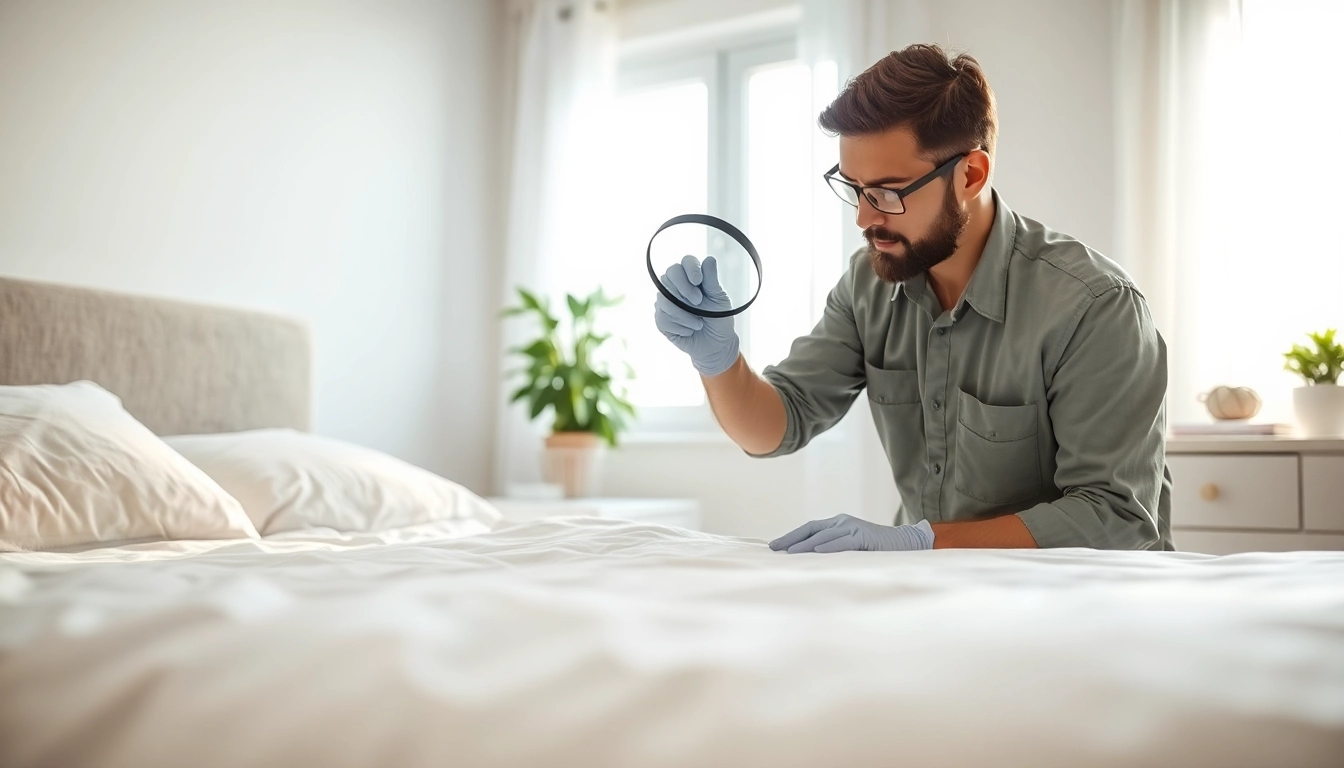

Understanding Bed Bugs: A Comprehensive Guide
Bed bugs are small yet resilient pests that can transform a peaceful night’s sleep into a nightmare. Often found in hotels, homes, and even public transportation, these insects thrive in warm, dark environments close to human hosts. An increased prevalence of bed bugs in urban areas has made awareness and knowledge surrounding them more crucial than ever. Understanding the nature of these pests can empower homeowners to take action against potential infestations effectively. For detailed information on bed bug control, visit https://affordablebedbugexterminators.com.
What Are Bed Bugs and Their Common Habitats?
Bed bugs belong to the Cimicidae family, with the most common species being Cimex lectularius. They are nocturnal creatures, primarily feeding on human and animal blood. Adult bed bugs are approximately ¼ inch in size, resembling an apple seed, and are reddish-brown in color. They are often found in beds, mattresses, furniture seams, and any crevice where they can hide during the day.
Common habitats include:
- Residential Areas: Homes and apartments, especially where there’s movement from traveling or when sharing space with others.
- Hotels and Motels: Frequented locations by travelers, making them prime targets for bed bugs.
- Public Transportation: Trains, buses, and rideshares can host bed bugs, allowing them to travel and spread to new environments.
Signs of Bed Bug Infestation
Identifying a bed bug infestation early can minimize damage and facilitate treatment. Here are the crucial signs to look out for:
- Physical Evidence: The most noticeable signs include small, dark spots (often fecal matter), eggshells, and shed skins found in hidden areas around your home.
- Bed Bug Bites: Prolonged exposure can result in small, red, itchy welts on the skin, often confused with other insect bites. They typically appear in a line or cluster.
- Unpleasant Odor: A peculiar musty smell may develop when bed bugs are present in high numbers, largely due to their scent glands.
Health Risks Associated with Bed Bugs
While bed bugs are not known to transmit diseases directly, their bites can lead to several health issues, including:
- Allergic Reactions: Many individuals experience allergic reactions to bed bug saliva, which can cause severe itching and irritation.
- Secondary Infections: Intense scratching can lead to infections, as open wounds become entry points for bacteria.
- Sleep Disturbances: Anxiety and sleep deprivation can result from the stress of dealing with a bed bug infestation, leading to further health complications.
Why Professional Treatment is Essential for Bed Bug Removal
When faced with a bed bug infestation, many homeowners may consider DIY methods first. However, professional extermination services offer a proven track record and can often provide a more thorough and effective solution. Here’s why professional treatment is essential:
Benefits of Professional Extermination Services
Engaging professionals brings several advantages:
- Expertise: Trained exterminators understand the behavior, lifecycle, and hiding spots of bed bugs, making them more effective in eradicating the problem.
- Safety: Professionals use safe and proven methods, minimizing health risks associated with improper pesticide use.
- Long-term Solutions: A comprehensive treatment plan includes follow-ups and preventive measures to ensure that bed bugs do not return.
Common DIY Methods and Their Shortcomings
Many homeowners turn to DIY methods which can often fall short of effectively eliminating an infestation. These include:
- DIY Sprays: While numerous insecticides are marketed for bed bugs, many lack effectiveness due to improper application.
- Steam Treatments: Steam cleaning can work in some cases but requires specific temperatures to be effective, which may not always be achievable.
- Heat Treatments: While theoretically effective, portable heaters may not reach sufficient heat levels to exterminate bugs hidden in walls or furniture.
Choosing the Right Professional Service
Selecting the right pest control service requires consideration. Homeowners should look for:
- Experience and Reviews: Research online reviews and experiences of previous customers.
- Licenses and Certifications: Ensure that the company uses certified technicians and follows state regulations concerning pest control.
- Comprehensive Service Plans: Choose a service that provides a detailed treatment plan, including follow-up visits and strategies for long-term prevention.
Preparing Your Home for Bed Bug Treatment
Preparation is key to ensuring a successful bed bug treatment. Proper preparation can maximize the efficacy of the extermination process.
Step-by-Step Preparation Guide
Before treatment, follow these steps:
- Declutter: Remove unnecessary items from affected rooms to minimize hiding spaces.
- Wash Bedding and Clothing: Launder all bedding and clothing in hot water and dry on high heat to eliminate any existing bed bugs.
- Vacuum Thoroughly: Vacuum the entire area, focusing on seams of mattresses, baseboards, and carpets.
- Seal Up Items: Place cleaned clothes and bedding in sealed plastic bags to avoid recontamination.
- Inform the Exterminators: Provide detailed information to the professionals about where you see signs of infestation.
What to Expect During the Treatment Process
During the treatment, expect the following:
- Inspection: Exterminators will conduct a thorough inspection of your home to identify infestation spots.
- Treatment Application: Based on analysis, they will administer the chosen treatment—whether chemical or heat-based.
- Communication: Professionals will inform you about the process and any precautions necessary for your safety.
Ensuring Efficacy: Follow-Up Care
After treatment, follow-up is crucial. Homeowners should:
- Monitor for Signs: Keep an eye out for any return signs of bed bugs to quickly address any issues.
- Follow Instructions: Adhere to any instructions provided by the exterminators for maximum effectiveness.
- Schedule Follow-Up Visits: Schedule necessary follow-up visits to ensure comprehensive eradication.
Evaluating Bed Bug Treatment Options
There are various treatment options available, and understanding their effectiveness and suitability can help homeowners make informed choices.
Heat Treatment vs Chemical Treatment Strategies
When comparing heat treatment and chemical methods, consider:
- Heat Treatment: This method involves raising the temperature throughout affected areas to a lethal level for bed bugs. It is effective but may require specialized equipment and trained professionals.
- Chemical Treatments: Insecticides can be utilized, but their effectiveness depends on proper application. Additionally, some bed bugs may develop resistance over time.
Cost Considerations and Budget-Friendly Choices
The cost of bed bug treatment can vary based on several factors, including:
- Infestation Severity: Larger infestations typically incur higher treatment costs.
- Choice of Treatment: Heat treatments may be more expensive than other chemical treatments, but they often provide more comprehensive solutions.
- Size of Property: Larger homes or multifamily dwellings may result in higher prices due to more extensive work involved.
Long-Term Prevention Measures
Once bed bugs have been eradicated, additional steps should be taken to prevent future infestations:
- Regular Inspections: Check for signs of bed bugs periodically, especially when returning from travel.
- Seal Cracks and Crevices: Use caulk to seal potential hiding spots and entry points around your home.
- Be Mindful of Second-Hand Items: Inspect any second-hand furniture or belongings thoroughly before bringing them into your home.
Frequently Asked Questions About Bed Bugs
How to Identify Bed Bug Bites?
Bed bug bites often appear as small, swollen welts, usually clustered or in a line. They can take a few days to develop and may cause itching. It’s important to note that individual reactions vary; some may experience severe itching, while others may not show any reaction at all.
Can Bed Bugs Live on Other Surfaces?
While bed bugs prefer to dwell in beds and couches, they can be picked up and carried in personal belongings. They can survive on various surfaces but thrive in cracks, crevices, and soft furnishings that are close to sleeping areas.
How Quickly Can I Get Rid of Bed Bugs?
The speed of extermination typically depends on several factors including the treatment method used, the extent of the infestation, and how swiftly the problem is addressed. For effective immediate results, professional intervention is often required, and multiple treatments may be necessary for larger infestations.