
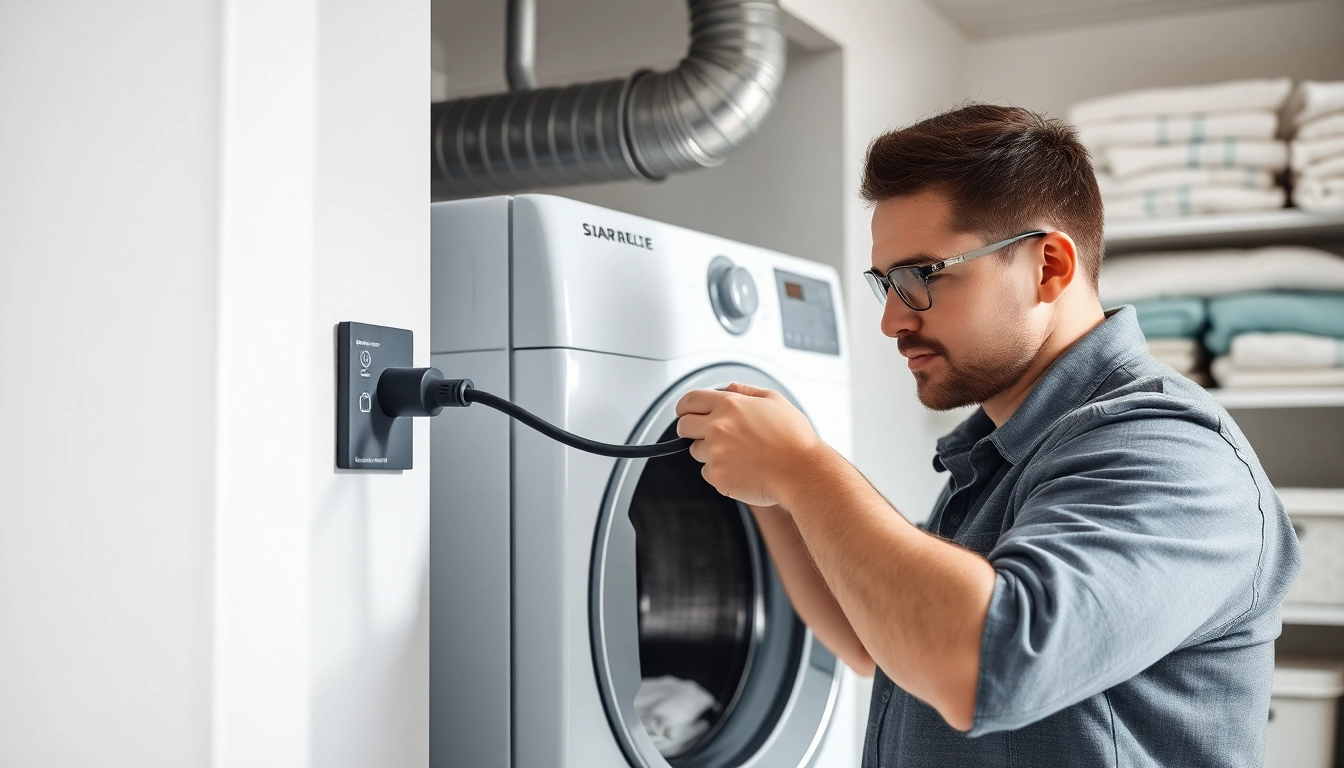

Understanding Dryer Hook Up Essentials
Installing your dryer is an essential step in setting up your laundry capabilities at home. The proper Dryer Hook Up ensures that your appliance operates efficiently and safely. In this section, we’ll cover the various types of dryers available, the tools you need for installation, and the safety precautions you must take to avoid accidents and ensure optimal performance.
Types of Dryers and Their Requirements
When it comes to laundry appliances, understanding the type of dryer you are installing is crucial. The most common types are:
- Electric Dryers: These use electricity to produce heat. They typically require a 240-volt outlet and a three or four-prong cord. Ensure your home has the appropriate electrical setup.
- Gas Dryers: These use natural gas or propane. Installation involves connecting the appliance to the gas line, which requires additional safety considerations.
- Stackable Dryers: Often used in small spaces, these units can be placed on top of washing machines and may have specific connections for safe operation.
- Steam Dryers: These add moisture to the drying cycle to reduce wrinkles and static. They require a water line or reservoir for steam functionality.
By identifying the type of dryer, you can better understand the specific installation requirements and components needed for a successful setup.
Tools Needed for Installation
Having the right tools on hand can make your dryer installation process much smoother. Below is a list of common tools and materials you might need:
- Adjustable wrench
- Screwdriver set (flathead and Phillips)
- Level
- Measuring tape
- Drill and drill bits (if needed for venting)
- Venting kit (if required)
- Pliers
- Electrical tape
- Safety gloves and goggles
Gathering these tools beforehand will help streamline the installation and minimize delays.
Safety Precautions During Installation
Safety should always be your top priority while performing appliance installation. Here are some essential precautions to keep in mind:
- Always disconnect power at the circuit breaker before starting any electrical work.
- Ensure that the gas supply is turned off before installing a gas dryer.
- Use proper ventilation to prevent overheating and potential fire hazards.
- Read and follow the manufacturer’s installation instructions carefully.
- Wear safety gear, such as gloves and goggles, when handling tools or installation components.
By adhering to these safety measures, you can protect yourself and ensure a successful installation.
Preparing for Your Dryer Hook Up
Preparation is key to a successful dryer installation. From choosing the right location to checking electrical and venting options, adequate preparation can prevent many issues. Let’s dive into these critical elements.
Choosing the Right Location
Your dryer should be placed in an area that allows for easy access and adequate ventilation. Consider these factors when choosing your location:
- Proximity to the washer: Ideally, your dryer should be close to the washing machine to facilitate the laundry process.
- Ventilation access: Ensure the chosen spot allows easy access for venting and minimizes the length of ductwork needed.
- Accessibility: The location should be easily accessible for loading and unloading laundry.
- Flooring: Ensure the floor is level and can support the weight of the dryer.
Taking the time to select the ideal location will make the installation process more efficient and enjoyable.
Checking Electrical and Venting Options
Before installing, check your electrical system and venting options to ensure compliance with local codes and safety standards:
- Electrical outlets: Verify that you have the correct voltage and type of outlet for your dryer model.
- Venting: Check the condition of existing dryer vents and make sure they are connected properly, without obstructions.
- Airflow: Ensure proper airflow by making sure vents are directed outdoors and not venting into a wall or attic.
Confirming these conditions will prevent electrical issues and ensure optimal dryer performance.
Measuring Space for Optimal Fit
Before installation, measure the dryer’s dimensions, keeping in mind the additional space needed for installation and ventilation:
- Height, width, and depth of the dryer.
- Required space for door swings and installation of vents.
- Room for electrical and gas connections.
Accurate measurements will help avoid complications during installation and ensure a seamless fit.
Connecting Your Dryer: Step-by-Step
Once you’ve prepared your space, it’s time to connect your dryer. Follow these detailed steps to ensure a successful installation.
Wiring your Dryer Hook Up
The wiring process can differ between electric and gas dryers. Here’s how to approach each:
For Electric Dryers:
1. Confirm the power is turned off at the breaker box.
2. Connect the wiring harness from the dryer to the corresponding terminals (black, red, white/green) on the terminal block.
3. Tighten secure any loose connections with an adjustable wrench.
For Gas Dryers:
1. Ensure your gas shut-off valve is closed.
2. Connect the gas line using a flexible gas connector for safe operation.
3. Check connections for leaks by applying soapy water and looking for bubbles.
4. Turn on the gas to test for proper operation.
Make sure to follow manufacturer instructions closely, as they may provide additional guidance unique to your model.
Installing Ventilation Properly
Proper venting is critical for safety and dryer efficiency. Follow these steps to install ventilation:
- Measure the length of duct required and cut your venting materials accordingly.
- Connect the vent to the dryer’s outlet, ensuring a secure fit.
- Route the vent through the wall toward the external vent cap, minimizing bends to improve airflow.
- Seal all joints using foil tape to prevent leaks, and check for fit.
A properly installed duct will help prevent lint buildup and optimize dryer performance.
Securing the Dryer in Place
Once connected, it’s time to secure the dryer in its place:
- Level the dryer: Adjust the feet to ensure the dryer is perfectly level to prevent any vibrations during operation.
- Anchor the dryer: If your space allows, use brackets to secure the dryer to the wall, preventing any tipping.
- Final checks: Before completing the installation, double-check all connections and ensure everything is secure and properly positioned.
By thoroughly securing the unit, you’ll enhance safety and dryer longevity.
Troubleshooting Common Dryer Hook Up Issues
Even with careful planning and installation, you may encounter some common issues. Here’s a guide to troubleshooting:
Identifying Electrical Problems
Electrical issues are among the more common complications when setting up a dryer:
- Check for blown fuses: Inspect your circuit breaker or fuses to ensure power is flowing to the dryer.
- Socket compatibility: Ensure your dryer is connected to the correct power outlet as per the required voltage.
- Inspect the cord: Look for frayed or damaged cords that may prevent proper electrical contact.
Identifying these issues quickly can prevent more significant problems from arising.
Dealing with Ventilation Blockages
Poor ventilation can lead to overheating and inefficient drying:
- Regularly check and clean dryer vents to remove lint and debris.
- Ensure the vent path is free of kinks or sharp bends that could obstruct airflow.
- Periodic inspections can help mitigate any airflow issues before they escalate.
Proper ventilation maintenance is key to a smoothly operating dryer.
Preventing Future Complications
To help prevent issues before they occur, maintain awareness of your dryer’s performance:
- Keep an eye on drying cycles; if clothes are taking longer than usual, investigate potential issues.
- Always lint filter: Regularly clean the lint trap after every use to prevent build-up.
- Schedule regular maintenance checks to preemptively spot and resolve any issues.
By adopting these preventive measures, you can ensure the longevity and efficiency of your dryer.
Maintenance Tips for a Smooth Dryer Operation
To ensure that your dryer continues to operate smoothly, regular maintenance is essential. Let’s look at some practical tips to keep your appliance running efficiently.
Regular Cleaning for Efficiency
Maintaining cleanliness not only improves performance but also prolongs the life of your dryer:
- Clean the lint trap after every use.
- Perform monthly deep cleaning of the vent and lint ducts to prevent blockages.
- Inspect the exterior of the machine and clean it regularly to avoid dust accumulation.
A clean dryer operates more efficiently and uses energy more effectively.
Inspecting Connections Periodically
After installation, it’s essential to periodically inspect electrical and duct connections:
- Check wiring insulation for any signs of wear or fraying.
- Examine duct connections for any signs of looseness or leakage.
- Revisit gas connections if applicable to ensure they remain airtight.
Regular inspections can reveal potential problems before they turn into costly repairs.
Signs of Wear and When to Replace Components
Being proactive about recognizing wear can help avoid hazardous situations:
- Unusual noises during operation may indicate wear on internal parts.
- Longer drying times can signal a need to service the dryer.
- Odors, particularly burning or melted plastic smells, should be addressed immediately.
If you notice any signs of wear, take action promptly, whether through repairs or replacement components.
FAQs About Dryer Hook Up
What is needed to hook up a dryer?
You will need proper electrical/gas connections, a venting system, and necessary tools like screwdrivers and wrenches.
Can you hook up your own dryer?
Yes, many homeowners can install their own dryers by following manufacturer guidelines, provided they take safety precautions.
Do you need a plumber to hook up a dryer?
A plumber may be needed for gas dryers to ensure safe and proper connection to the gas line.
Do you need a special hookup for a dryer?
Yes, electric and gas dryers require specific outlets, cords, and pipes for safe and effective operation.
How can I tell if my dryer is installed correctly?
Your dryer should operate without unusual noises, the venting should be free of obstructions, and clothes should dry efficiently.