
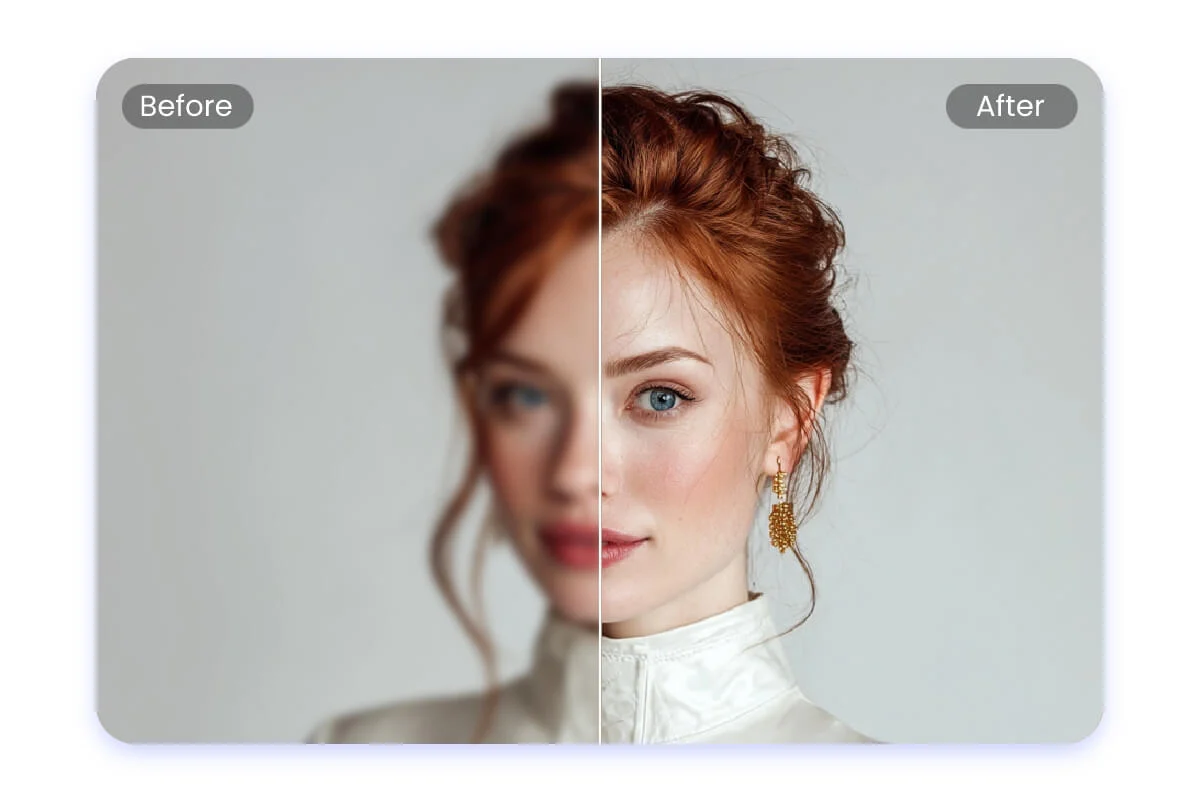

Social media has transformed the way we communicate, connect, and even perceive ourselves. Scroll any platform for a few minutes—be it Instagram, Snapchat, or TikTok—and you’ll notice something striking: faces and bodies often appear flawless, skin poreless, eyes brighter, and features symmetrical. These enhanced visuals are largely thanks to beauty filters. While many use filters playfully, mounting research suggests they can have profound psychological consequences. A recent study highlights the hidden ways these digital tools affect self-esteem, identity, and social behavior, extending beyond teenagers to adults and older populations.
Beauty filters do more than enhance photos—they reshape perception. When filtered content dominates feeds, our brains start treating edited appearances as normal. The resulting pressure to conform can subtly influence how people feel about their real-life appearance, social interactions, and even life choices. This article explores the psychological impact of beauty filters, drawing from empirical research and examining societal trends, while providing guidance to navigate digital aesthetics responsibly.
What Beauty Filters Do and Why They Matter: Insights from a Study
Beauty filters are not just about fun. Unlike simple photo adjustments or good lighting, modern filters perform a “silent makeover” in real time. They smooth skin, whiten teeth, enlarge eyes, sharpen jawlines, alter body proportions, and create symmetry rarely found in natural faces.
A recent study explored how frequent exposure to these tools impacts self-perception. Researchers found that individuals who consistently use beauty filters experience heightened self-objectification. The constant focus on appearance leads to more critical internal comparisons, where unfiltered self-images feel inadequate. The psychological effects are subtle at first but can intensify over time. People begin treating filtered faces as a baseline reality, which reshapes what they believe is typical, desirable, and acceptable.
This pattern is particularly pronounced because social media is endless. Unlike static media like magazines, feeds provide a continuous stream of optimized visuals, which conditions the brain to treat perfection as ordinary. The study underscores that the problem is not occasional filter use, but the normalization of unattainable beauty standards at scale.
Appearance Surveillance: The Core Psychological Mechanism Revealed by Study
One of the most consistent findings across research is that beauty filters encourage what psychologists call “appearance surveillance.” A study in BMC Psychology examined photo editing behavior and found a direct link between filter use, self-objectification, and lower self-esteem. Participants who edited their images frequently reported more negative self-perception, largely because the act of editing reinforces internal monitoring of appearance.
Appearance surveillance involves constantly evaluating oneself from the perspective of others: questioning angles, symmetry, skin texture, and facial proportions. This mental pattern is exhausting. It consumes cognitive resources that could otherwise be directed toward work, relationships, or personal growth. The study highlights that this constant internal scrutiny leads to chronic self-criticism, social withdrawal, and anxiety about being seen unfiltered.
Adults and older users may experience subtler but equally damaging forms of appearance surveillance. For instance, filtered video calls at work or on dating apps can trigger anxiety over “performance appearance,” leading to increased grooming habits, perfectionism, or avoidance of social interactions.
Filters and Unrealistic Standards: A Societal Impact Explored in Study
Filters do more than alter individual perception—they reshape societal expectations of beauty. A study examining online dating behaviors found that when most users enhance their images, it creates a distorted “crowd sample” of attractiveness. Even when users know images are filtered, emotional responses precede rational thought. People feel their own appearance is lacking, creating a social feedback loop that reinforces the value of digital perfection.
This phenomenon has two significant societal consequences. First, it fosters the “upgrade mindset” in dating, where endless exposure to optimized faces encourages people to constantly seek someone “better.” Second, it devalues natural human variation. Features like wrinkles, asymmetry, or body texture, which are normal and biologically typical, start to feel like flaws rather than unique traits. Over time, empathy and appreciation for genuine human diversity diminish, and pressure to conform to a narrow aesthetic ideal grows.
The study emphasizes that these effects are not limited to teens. Adults navigating dating, professional visibility, and social media branding also face comparable pressures, highlighting the pervasive influence of filters across age groups.
The Internalization Pipeline: How Study Shows Filtered Beauty Becomes Standard
A key concept in understanding the impact of beauty filters is internalization—the process by which cultural ideals are absorbed and treated as personal benchmarks. A study published in Computers in Human Behavior found that frequent exposure to edited images, combined with posting and monitoring feedback on personal photos, intensifies internalization of appearance ideals. Users begin to judge themselves by filtered standards, which significantly reduces body satisfaction and self-esteem.
The “internalization pipeline” consists of three steps: exposure to filtered content, comparison to the idealized standard, and subsequent dissatisfaction. The study shows that photo-editing behavior amplifies this effect, creating a reinforcing loop where individuals repeatedly tweak images to meet unattainable ideals. Over time, this cycle can contribute to body dissatisfaction, shame, and vulnerability to disordered eating behaviors, particularly when thin or “snatched” ideals dominate.
Cosmetic Procedure Pressure: Filter Influence Confirmed by Study
One of the more alarming societal shifts involves the influence of filters on cosmetic procedure interest. Research in the Saudi Journal of Otorhinolaryngology Head and Neck Surgery indicates that participants who regularly use filters are more likely to consider cosmetic interventions. While cross-sectional studies cannot prove causation, the study supports a real-world pattern: exposure to digitally enhanced images increases awareness and desire to physically modify appearance.
This trend reflects a broader cultural drift. When filters create a “better me,” the unfiltered self feels insufficient, leading individuals to seek real-world solutions. Even if only a fraction pursue procedures, the normalization of cosmetic alteration reinforces the belief that natural appearance is negotiable and must be optimized to maintain social acceptance.
Age Differences in Filter Impact: Insights from Study
Research shows that the psychological consequences of beauty filters manifest differently across age groups. For teens and young adults, identity formation is highly vulnerable to digital standards. A study focusing on adolescent social media habits found that heavy filter use is associated with fragile self-esteem, fear of unfiltered exposure, and heightened peer comparison. The resulting anxiety can create a split identity, where the online self feels idealized and the offline self feels inadequate.
Adults face pressures in dating, professional branding, and social visibility. Filters can induce performance anxiety, relationship insecurity, and heightened concern over aging. For older adults, filters exacerbate fears about aging, contributing to negative self-judgment and internalized ageism. Collectively, these findings demonstrate that filtered beauty affects users across the lifespan, though the mechanisms and outcomes differ.
Long-Term Societal Consequences Highlighted in Study
When beauty filters become ubiquitous, society begins to adapt unconsciously. A study examining social norms around appearance found that repeated exposure to optimized images shifts mental models of what is normal and desirable. This has several societal consequences.
First, appearance becomes a form of social currency, with attention and approval disproportionately allocated to aesthetically “compliant” individuals. This intensifies discrimination and amplifies pressure to conform, particularly for women. Second, authenticity declines as people hide real emotions behind a curated online self. Third, loneliness increases when social connections are built around idealized facades rather than genuine interaction.
Over time, these shifts contribute to a culture where natural variation is undervalued, empathy is reduced, and mental health vulnerabilities—anxiety, depression, body dysmorphia—become more common. The study warns that without awareness and intervention, the psychological costs of filter culture may continue to grow.
Navigating Filters Responsibly: Lessons from Study
Despite these concerns, filters are not inherently harmful. Awareness and balance are key. Research suggests that maintaining a “reality ratio”—spending as much or more time in unfiltered contexts as in filtered environments—helps reduce negative psychological effects. The study emphasizes the importance of conscious media consumption, including limiting exposure to highly edited images, fostering self-compassion, and actively valuing natural appearance.
Parents, educators, and platform designers can also play a role by promoting media literacy, transparency about editing tools, and policies that reduce excessive beautification in certain contexts. The study indicates that a combination of personal strategies and systemic interventions can mitigate the mental health risks associated with pervasive filter use.
FAQs About Study and Social Media Beauty Filters
What is a beauty filter? Beauty filters are digital tools on apps like Snapchat, Instagram, and TikTok that automatically smooth skin, reshape facial features, and adjust body proportions in photos and videos.
How does study explain the psychological impact of filters? Research shows that frequent exposure to filtered images promotes self-objectification, internalization of idealized standards, and appearance surveillance, all of which contribute to lower self-esteem and body dissatisfaction.
Can study link filters to cosmetic procedures? Yes, studies indicate a correlation between frequent filter use and increased interest in cosmetic procedures, as users may attempt to align their real-world appearance with the filtered version.
Do filters only affect teens? No. While teens are highly vulnerable due to identity development, adults and older users also experience dating anxiety, workplace pressures, and negative self-judgment from filters.
What is self-objectification, according to study? Self-objectification occurs when individuals evaluate themselves primarily based on appearance, rather than focusing on skills, accomplishments, or inner qualities.
How can study guide responsible filter use? Research suggests balancing filtered and unfiltered experiences, practicing self-compassion, and limiting exposure to highly edited content can help maintain mental well-being.
Do filters cause eating disorders? Filters do not directly cause eating disorders, but they can increase risk by promoting thin or hyper-sculpted ideals and making normal bodies feel unacceptable.
What is the “upgrade mindset” described in study? Exposure to endless filtered options can make individuals believe there is always someone better, which may affect dating behavior and satisfaction with real-life partners.