
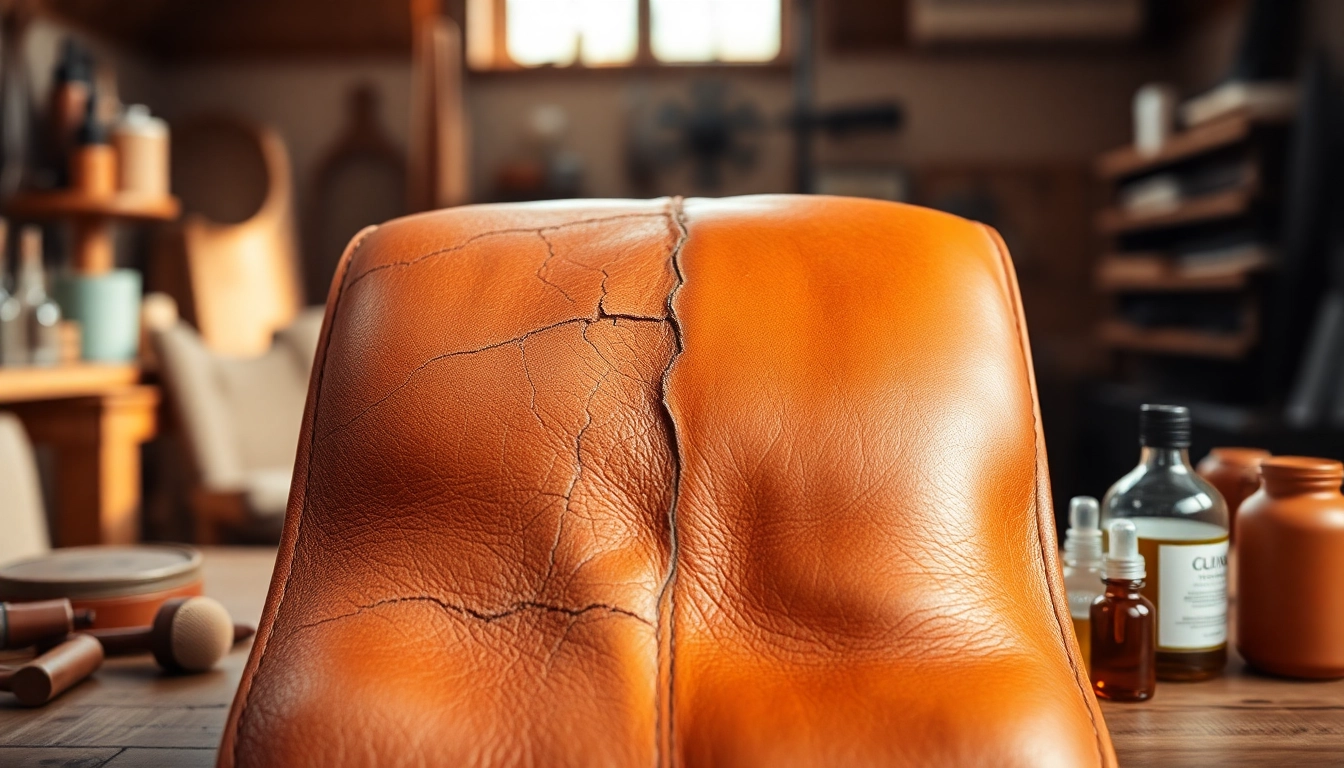

Understanding Leather and Its Needs
Leather is a versatile and luxurious material, widely used in everything from furniture and clothing to accessories and automobiles. However, its natural composition makes it susceptible to drying and cracking if not properly cared for. This guide focuses on the Best conditioner for dry, cracked leather, providing insights into how to maintain its beauty and functionality.
What Causes Dry, Cracked Leather?
Leather can become dry and cracked due to various factors, including environmental conditions, lack of maintenance, and improper cleaning methods. Heat, humidity, and exposure to sunlight can strip the leather of its natural oils, which are vital for flexibility and softness. Additionally, soil and grime accumulation can wear down the protective layer, accelerating degradation. Other contributing factors include:
- Infrequent conditioning: Leather items require regular conditioning to maintain moisture levels.
- Poor storage: Storing leather in damp or excessively dry environments can lead to deterioration.
- Use of harsh chemicals: Cleaning products with alcohol or solvents can dry out leather surfaces.
Benefits of Conditioning Leather
Conditioning leather offers numerous benefits that enhance both its appearance and durability. The significant advantages include:
- Restores Moisture: Conditioners penetrate the leather, replenishing lost oils and moisture, leading to increased suppleness.
- Prevents Cracking: Regular conditioning helps prevent the formation of cracks and creases by maintaining flexibility.
- Enhances Appearance: Conditioning rejuvenates the leather’s luster, making it look richer and more vibrant.
- Increases Lifespan: Well-maintained leather generally has a longer lifespan, reducing the need for repairs or replacements.
How Often Should Leather Be Conditioned?
The frequency of conditioning leather depends on several factors, such as the type of leather, usage, and environmental exposure. Generally, it is advisable to condition leather every 3 to 6 months. Items that experience frequent use or are exposed to harsh conditions may require more regular treatments, potentially every month. Conversely, rarely used leather items may be fine with less frequent conditioning.
Choosing the Best Conditioner for Dry, Cracked Leather
Identifying the right conditioner is essential for effective leather maintenance. The best conditioner for dry, cracked leather combines nourishing ingredients and appropriate formulations specific to the item’s needs.
Key Ingredients to Look For
When searching for a leather conditioner, focus on products with high-quality ingredients known to hydrate and protect. Here are key ingredients to consider:
- Natural Oils: Look for conditioners containing oils like almond, jojoba, or coconut, which help penetrate and moisturize.
- Waxes: Beeswax or carnauba wax can provide a protective barrier against moisture while enhancing shine.
- Butters: Ingredients like shea butter are excellent for nourishing and softening leather.
- Vitamins: Vitamin E is beneficial for rejuvenating the leather and preventing further damage.
Factors to Consider When Buying
When purchasing a leather conditioner, consider the following factors to ensure optimal care:
- Type of Leather: Different leather types (aniline, semi-aniline, finished) may require specific conditioning products.
- Purpose: Evaluate what you need from the conditioner, whether it’s for restoration or regular maintenance.
- Application Method: Select products that suit your application preferences, whether in cream, spray, or gel form.
- Reviews and Recommendations: Always check for user feedback to ensure the product’s effectiveness.
DIY vs. Store-Bought Conditioners
Both DIY and store-bought conditioners have their merits. DIY conditioners can be made from household items like olive oil and vinegar, which offer cost-effectiveness and a natural approach. However, they may not provide the comprehensive protection of professionally formulated products. Store-bought conditioners, on the other hand, often include a blend of beneficial ingredients designed to address specific leather needs more effectively. Ultimately, the choice between DIY and store-bought depends on personal preference, leather type, and desired results.
Application Techniques for Optimal Results
Applying leather conditioner properly is key to maximizing its benefits. Follow these guidelines to ensure effective conditioning.
Preparing Leather for Conditioning
Before applying a conditioner, it’s crucial to prepare the leather. Start by cleaning the surface with a damp cloth to remove dirt and debris. If the leather is particularly dirty, use a specialized leather cleaner that suits your leather type. Allow it to dry completely before proceeding with conditioning to ensure maximum absorption.
Step-by-Step Conditioning Process
Follow this systematic approach when conditioning leather:
- Choose Your Conditioner: Select a high-quality product designed for your specific leather type.
- Apply Conditioner: Use a soft, lint-free cloth to apply a small amount of conditioner onto the leather surface in circular motions.
- Amount Control: Use just enough product to cover the surface without saturating it. Less is often more.
- Allow Absorption: Let the conditioner sit for a few minutes to absorb into the leather.
- Wipe Off Excess: After absorption, use a clean cloth to wipe away any excess conditioner to prevent a sticky residue.
Common Mistakes to Avoid
To achieve the best results, avoid the following common mistakes:
- Over-Conditioning: Too much conditioner can lead to a sticky finish and may attract dirt.
- Skipping Cleaning: Always clean leather before applying conditioner; neglecting this step can seal dirt and oils into the leather.
- Ignoring Product Instructions: Each product may have specific guidelines; always read and follow them for best results.
Maintenance Tips for Preserving Leather
Proper maintenance extends the life and appearance of leather. Adhering to these tips can help keep your items in prime condition.
Protecting Leather from Future Damage
To safeguard leather from potential damage, consider using a leather protectant spray. This product acts as a barrier against moisture and stains, especially for items exposed to harsh elements. Additionally, avoid leaving leather in direct sunlight for prolonged periods to prevent fading and hardening.
Cleaning Leather Before Conditioning
Regular cleaning is essential to maintain leather’s integrity. Use a damp cloth for routine upkeep, but for deeper cleaning, a mild soap solution can be utilized along with a soft brush for textured surfaces. After cleaning, ensure the leather dries completely before conditioning to allow optimum absorption of oils.
Storing Leather Properly
Proper storage is key for protecting leather from environmental factors. Store leather items in a cool, dry place. Avoid plastic bags that can trap moisture; instead, use breathable cotton dust covers or cases. Maintaining the right humidity levels will prevent drying or mold growth.
Frequently Asked Questions
How do you rehydrate cracked leather?
To rehydrate cracked leather, first clean it, then apply a high-quality conditioner that restores lost oils. Massage the conditioner into the cracks and surrounding areas for optimal absorption.
Will leather conditioner fix cracks?
While light surface cracks can improve with conditioner application, deeper cracks may require more advanced repair techniques, such as patching or professional restoration.
How long does conditioner last on leather?
The duration of conditioner effectiveness can vary, typically lasting several weeks to months depending on usage and exposure to environmental factors.
How often should I condition my leather?
Generally, leather should be conditioned every 3 to 6 months. However, for frequently used items, conditioning may be necessary every month or so.
Can I use olive oil as a leather conditioner?
While olive oil might offer temporary conditioning, it can become rancid and darken leather over time. It is better to use specialized leather conditioners designed for optimal results.