
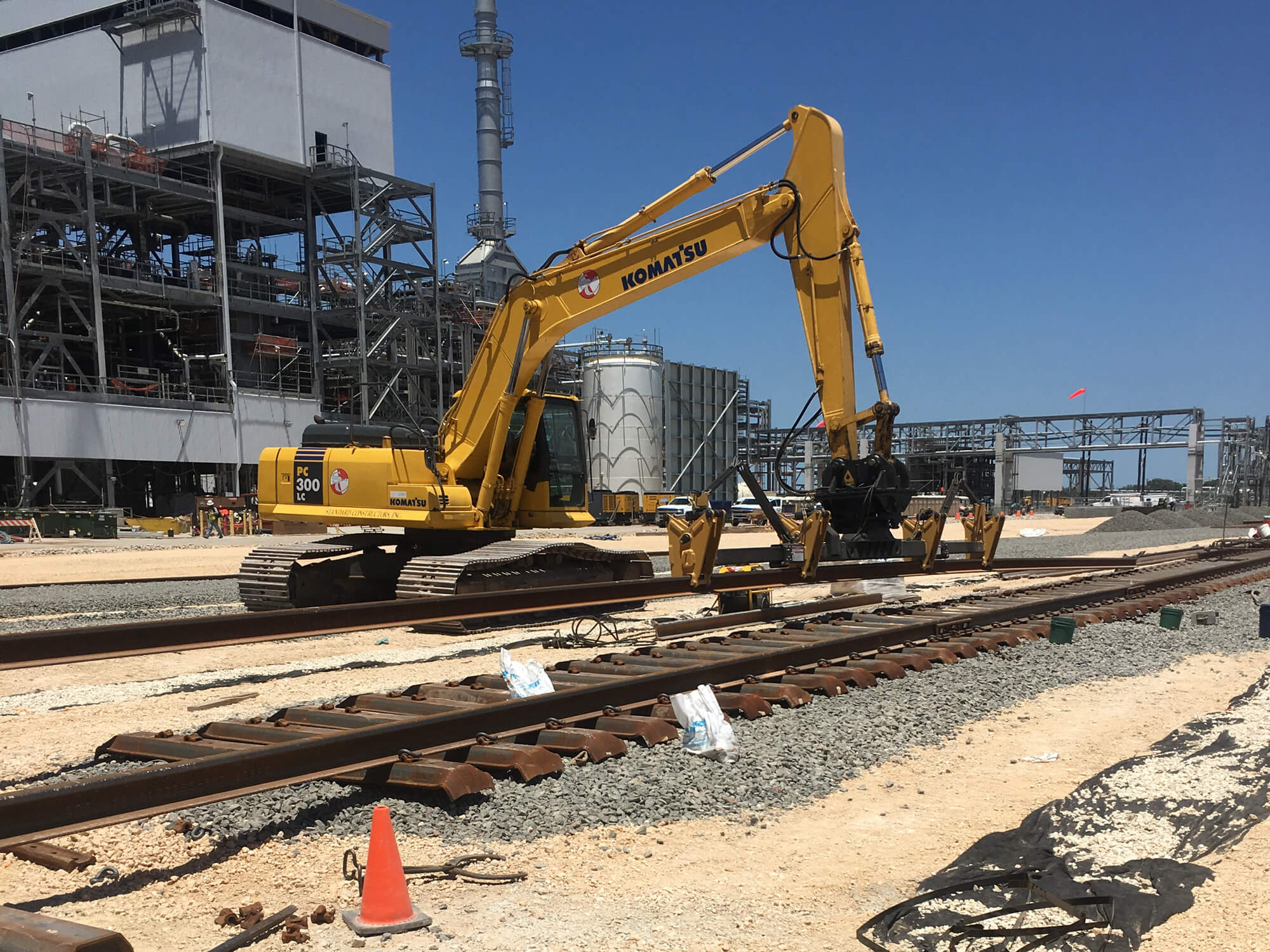

Introduction to Great Plains Rail
The allure of train travel has captivated many throughout history, offering a unique means of exploration that combines efficiency with scenic beauty. Among the most captivating routes in the United States is the great plains rail, which traverses the vast expanse of the Great Plains region. This guide aims to provide an extensive look at what makes traveling by rail in this picturesque part of the country an unforgettable experience.
The Geography of the Great Plains
The Great Plains, an expansive area spanning several U.S. states, is characterized by its flatlands, rolling hills, and vast open skies. This region stretches from Texas in the south to the Canadian border in the north, embracing parts of Colorado, Nebraska, Kansas, and more. The unique geography creates a stunning backdrop for rail travel, with sweeping grasslands, majestic mountains, and charming small towns peppering the landscape.
What makes the Great Plains particularly fascinating is the contrast between urban centers and the wide-open space of rural life. The roads and railways often connect picturesque farms, historic towns, and major cities, creating a rich tapestry of culture and nature. This geographical diversity includes various ecosystems, providing travelers a glimpse of America that is rapidly changing in the modern age.
Historical Significance of Railroads
The history of railroads in the Great Plains is integral to America’s development. As the westward expansion took place in the 19th century, railroads became the lifeblood of the region. They facilitated trade, settlement, and the movement of people, effectively transforming the Great Plains into a cultural and economic hub.
Monumental projects such as the First Transcontinental Railroad opened doors to new opportunities, creating a network that would connect the eastern states with the rich resources and land of the West. Today, the legacy of these railroads continues, as they not only serve as vital transportation corridors but also as a reminder of the ingenuity and determination that shaped the nation.
Traveling along the great plains rail offers an opportunity to connect with this rich history, providing insight into both the past and the present of America’s railways.
Why Travel by Rail?
Choosing rail travel offers a host of advantages that enhance the overall experience of exploration. Unlike driving, where one is tasked with navigation and fatigue, train travel allows you to relax while soaking in the scenery. Passengers can move freely, enjoy the amenities available onboard, and even make new friends along the way.
Additionally, traveling by rail is often more environmentally friendly when compared to other modes of transportation. Trains tend to be more energy-efficient and can reduce overall carbon emissions per passenger compared to cars or airplanes. This aspect makes rail travel appealing for environmentally conscious travelers wishing to minimize their carbon footprint.
Understanding the Great Plains Rail Routes
Popular Routes and Destinations
The Great Plains rail network offers an assortment of routes filled with stunning landscapes and vibrant towns. Popular routes often include travel from larger cities such as Denver to Omaha, passing through charming towns like North Platte. Each destination provides unique experiences that capture local culture and history.
One can also opt for scenic routes that take travelers past iconic landmarks, such as the Sandhills of Nebraska or the vast prairie expanses. Notable stops include historic landmarks, natural parks, and fascinating cultural sites reflecting the rich backgrounds of the states traveled through.
Travel Seasons and Their Benefits
Traveling via great plains rail offers distinct experiences throughout the year. Late spring to early fall is generally considered the best time for travel, owing to the pleasant weather and vibrant landscapes. Wildflowers bloom, and greenery flourishes, enhancing the visual experience.
Summer months allow for long daylight hours perfect for sightseeing, while fall brings a rich tapestry of colors as leaves change. In contrast, winter travel also has its charm, offering a quieter, more serene experience as snow blankets the plains, providing a different perspective of the landscape.
Length and Timing of Journeys
The duration of journeys along the Great Plains can vary widely, ranging from day trips to multi-day adventures. Shorter routes might take just a few hours, making them ideal for quick getaways. Conversely, longer routes that extend across several states can provide a deeper exploration of the region’s diverse offerings.
Travelers should consider their itinerary carefully to maximize their experience; planning stops at notable attractions can enhance the journey and allow for familiarization with local culture. The added time spent traveling can uncover hidden gems often overlooked in a rushed journey.
Benefits of Traveling via Great Plains Rail
Scenic Views and Unique Experiences
The primary allure of the great plains rail lies in the breathtaking scenery. Trains glide through picturesque landscapes that boast rolling hills, expansive fields, and vibrant wildlife. Unlike air travel or driving, where scenery is often just a blur, train journeys provide ample time to take in the views.
From majestic sunsets casting golden hues across endless skies to the sight of grazing bison dotting the horizon, every moment presents an opportunity for photography and appreciation of nature’s beauty. Observing changing environments and local flora and fauna directly contributes to an enriching travel experience.
Comfort and Convenience of Rail Travel
The comfort of rail travel can hardly be overstated. Train cars allow for spacious seating arrangements, generous legroom, and the ability to move about freely. Dining options further enhance the experience, with possibilities ranging from snack bars to full-service dining cars offering local cuisine. Passengers can stretch, socialize, and enjoy refreshments while taking in the views.
Moreover, train schedules tend to be reliable, minimizing layover times and enhancing convenience. This accessibility makes rail travel an attractive option for families, solo travelers, or groups seeking adventure.
Environmentally Friendly Transportation
Another key benefit of rail travel comes from its environmental impact. Rail systems are known for their energy efficiency, emitting significantly lower levels of carbon per passenger compared to cars and planes. This makes the great plains rail a vital choice for environmentally conscious travelers who aim to reduce their carbon footprint while exploring beautiful landscapes.
Transitioning to rail travel also supports sustainability efforts. As more people adopt greener forms of transportation, there’s potential for a positive ripple effect, inspiring changes at systemic levels in the travel industry. Thus, travelers make a conscious choice not only for their immediate experience but for the environment as well.
Planning Your Trip on the Great Plains Rail
Tips for Buying Tickets
Purchasing tickets for the great plains rail can be straightforward if you follow some essential tips. Early booking is often recommended, particularly during peak travel seasons, to ensure the best availability and pricing. Websites that aggregate travel routes and pricing can be helpful for comparing options.
Additionally, consider travel packages that combine routes and accommodations, as they can provide discounted rates. Don’t hesitate to look for promotional codes or special offers that may apply for your travel dates or chosen routes.
What to Pack for Your Journey
When traveling by rail, packing effectively can enhance comfort and convenience. Essentials often include travel documents, a reusable water bottle, snacks, and entertainment options like books or digital devices. Comfortable clothing layered to accommodate temperature changes onboard and at stops is also advisable.
If planning to enjoy scenic views, binoculars and a good camera can be beneficial. Furthermore, it’s prudent to bring along any necessary medications and personal items to ensure a smooth journey.
Accommodation Options along the Route
Finding suitable accommodations when traveling on the Great Plains rail is crucial for maximizing the experience. Many towns and cities along popular routes offer various lodging options, from hotels to charming bed-and-breakfasts. Researching and booking accommodations in advance can add to the ease of travel.
Moreover, some rail services provide package deals that can include lodging, allowing travelers to focus on their journeys rather than extensive planning. Travelers should read reviews and check amenities to find accommodations matching their style and needs.
Frequently Asked Questions about Great Plains Rail
What is the best time to travel by Great Plains rail?
Travel from late spring to early fall for pleasant weather and beautiful landscapes. Enjoy vibrant colors and clear skies!
How long do the Great Plains rail journeys typically take?
Journeys can range from a few hours to several days depending on the route selected, providing diverse travel options.
Are there dining options available on the Great Plains rail?
Yes, most trains offer dining services, including snack bars and full dining cars. Enjoy local cuisine during your journey!
Can I bring my pet on the Great Plains rail?
Some services allow pets; check specific policies before traveling to ensure availability. Confirm requirements before departure.
What is the average cost of a ticket on the Great Plains rail?
Prices vary by route, class, and season, typically ranging from $50 to $200. Factors include demand, timing, and distance traveled.