
Understanding the Basics of Education
Definition and Importance of Education
Education serves as the cornerstone of both individual development and societal advancement. Simply put, education is the systematic process of acquiring knowledge, skills, values, and attitudes. This process often occurs within formal settings such as schools and universities, yet can also take place informally through life experiences, community involvement, and personal exploration. The importance of education cannot be overstated; it enables individuals to navigate the complexities of life, fostering critical thinking, creativity, and problem-solving skills crucial for success in today’s ever-evolving world. Furthermore, education cultivates informed citizens who contribute actively to their communities.
Whether we consider Education as a basic human right or as a pivotal factor in reducing societal inequalities, it plays an integral role in shaping the dreams and aspirations of individuals. The access to quality education directly correlates with economic prospects, civil engagement, and health outcomes, making it a fundamental driver of equality and opportunity.
Historical Context of Education Systems
The origins of education date back thousands of years, influenced by cultural, social, and political factors. Ancient civilizations, such as the Egyptians, Greeks, and Chinese, recognized the necessity of passing knowledge from generation to generation. Initially, education was predominantly for the elite, focusing on subjects like mathematics, astronomy, and philosophy, which were vital for governance and military strategies.
As societies evolved, so did educational systems. The Middle Ages saw the rise of universities in Europe, which established structured curricula and expanded the accessibility of education. The Industrial Revolution in the 19th century marked another significant shift, as the need for skilled labor led to the establishment of public schooling systems designed to prepare children for labor markets. Today, education is more democratized, serving broader populations across various socioeconomic backgrounds, but still faces numerous challenges in providing equal access.
Types of Education: Formal and Informal
Education can be categorized into two main types: formal and informal. Formal education refers to structured programs typically delivered in schools or universities, characterized by a set curriculum, certified educators, and institutional recognition. It often culminates in diplomas or degrees that can significantly enhance a person’s job prospects and social status.
On the other hand, informal education encompasses learning that occurs outside these structured environments. This includes self-directed learning, workshops, community-based education, apprenticeships, and life experiences. Informal education fosters a wealth of knowledge and skills that can be just as valuable as formal credentials, especially in developing critical life skills and promoting lifelong learning.
Challenges in the Education Sector
Funding and Resource Allocation
One of the most pressing challenges in education today is the issue of funding and resource allocation. Many schools, particularly in low-income areas, suffer from inadequate funding which impedes their ability to provide quality education. This results not only in insufficient teaching materials and outdated technology but also in larger class sizes that hinder personalized learning.
Effective education funding must involve equitable distribution and targeted investment in underserved communities. Governments and educational institutions must work collaboratively to develop sustainable funding models that prioritize resources for schools in need, ensuring every student has access to high-quality education.
Access and Equity in Education
Access to education is another significant barrier that continues to persist globally. Despite progress in making education more accessible, disparities based on geography, income, and ethnicity remain prevalent. In many parts of the world, children in rural or impoverished areas are still unable to attend school due to factors such as distance, safety concerns, and socioeconomic constraints.
Equity in education demands that all children, regardless of their background, are given equal opportunities to learn and thrive. This requires comprehensive policy reforms, improved infrastructure, and targeted programs to support marginalized groups, including girls, children with disabilities, and refugees.
Adapting to Technological Changes
The rapid advancement of technology presents both challenges and opportunities for the education sector. While technology has the potential to enhance learning experiences through personalized learning platforms and access to vast resources, it also raises questions about equity and effectiveness. Not all students have equal access to technology, leading to a digital divide that can exacerbate existing educational inequalities.
In response, educators must embrace innovative teaching strategies that leverage technology effectively while promoting digital literacy. Training teachers to integrate technology into their lessons and providing students with the necessary tools and resources can create more dynamic and inclusive learning environments, preparing them for a tech-driven future.
Innovative Teaching Methods
Project-Based Learning Approaches
Project-based learning (PBL) is an innovative teaching method that engages students in collaborative and hands-on projects to solve real-world problems. This approach not only enhances students’ critical thinking and problem-solving skills but also fosters collaboration and communication among peers. By actively participating in projects, students develop a deeper understanding of the subject matter while cultivating essential life skills.
Effective implementation of PBL requires thoughtful planning, with clear objectives and rubrics to assess learning outcomes. Classrooms that embrace PBL encourage creativity and allow students to take ownership of their learning, preparing them for future challenges.
Utilizing Technology in the Classroom
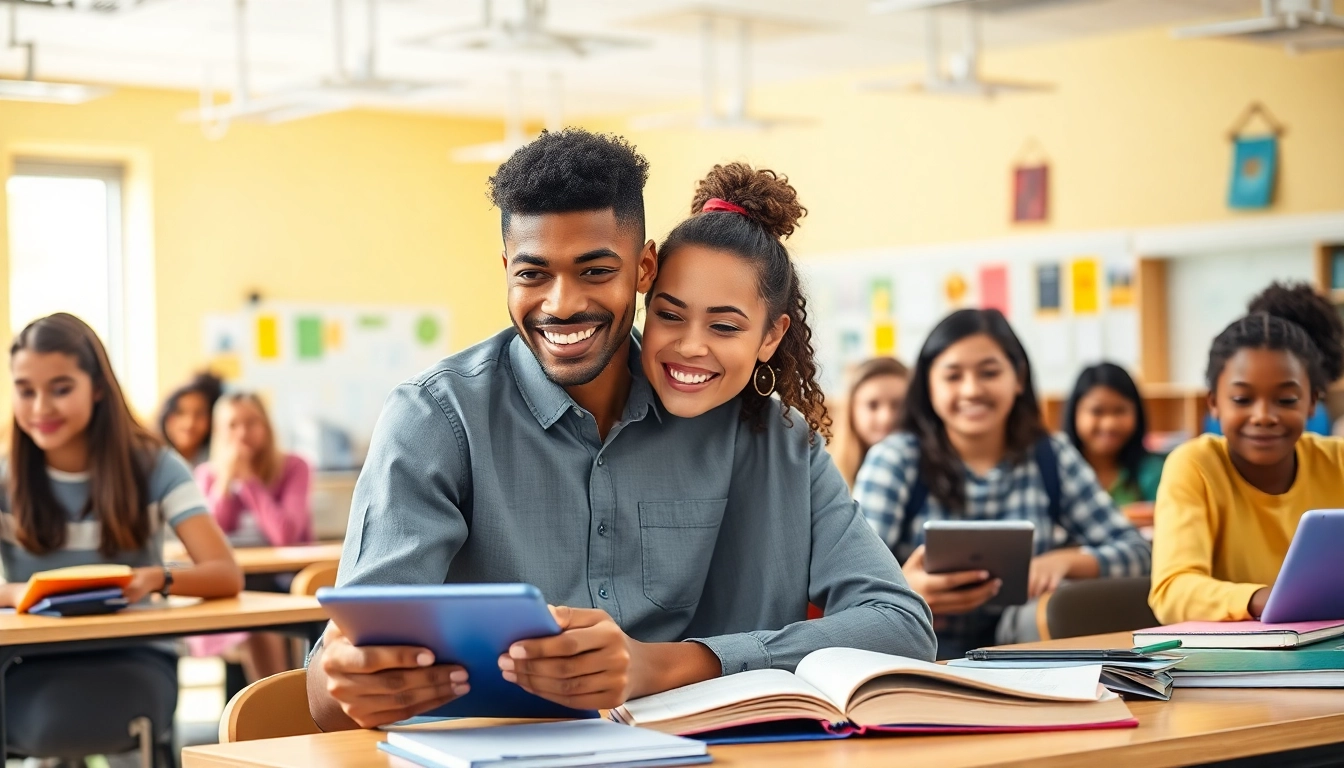
Integrating technology into the classroom has the potential to revolutionize education. From interactive whiteboards and tablets to virtual reality experiences, technology can transform traditional learning into dynamic and engaging experiences. Educators can use tools such as educational apps, online resources, and multimedia presentations to enhance instruction and promote active learning.
However, incorporating technology effectively requires training and support for teachers. Professional development opportunities focused on technology integration can empower educators to design lessons that harness the advantages of digital tools while ensuring all students benefit from these resources.
Fostering Critical Thinking Skills
Critical thinking is an essential skill for success in any field, yet traditional education methods often emphasize rote memorization over analytical thinking. Effective teaching strategies must prioritize fostering curiosity, inquiry, and open-mindedness among students. Techniques such as Socratic questioning, debates, and problem-solving activities encourage students to think critically and articulate their thoughts clearly.
By creating a classroom culture that values questions over answers, educators can help students develop critical thinking skills that will serve them beyond the classroom. These skills are invaluable in navigating the complexities of modern society and making informed decisions.
The Future of Education
Trends Shaping the Education Landscape
As we look to the future of education, several trends are emerging that will shape its evolution. One significant trend is the growing emphasis on personalized learning, where educational approaches are tailored to individual student needs, interests, and learning paces. This is facilitated through technology that enables data collection and analysis to inform instruction.
Another trend is the integration of social-emotional learning (SEL) into curricula. Recognizing the importance of mental health and emotional intelligence, educators are increasingly focusing on developing students’ social skills and resilience, preparing them for challenges in and out of the classroom.
Sustainability and Global Education Standards
Global trends toward sustainability are also influencing education. There is a growing recognition of the need for educational systems to prepare students to face global challenges such as climate change and social justice. Institutions are increasingly adopting curricula that emphasize environmental awareness, sustainability practices, and global citizenship.
Furthermore, international efforts to establish educational standards promote quality and equity worldwide. Initiatives such as the United Nations Sustainable Development Goals aim to ensure inclusive and equitable quality education for all, fostering global collaboration and accountability.
The Role of Lifelong Learning
The concept of lifelong learning has gained significant traction as the pace of technological and societal changes accelerates. Today, education is no longer confined to a specific age or phase of life; individuals of all ages must continuously update their skills and knowledge to remain competitive in the workforce.
Encouraging a culture of lifelong learning requires institutions and policies that support adult education, professional development, and community learning initiatives. Organizations must create flexible learning pathways that allow individuals to return to education at any point in their careers, ensuring lifelong engagement and self-improvement.
Measuring Educational Success
Assessment Techniques and Metrics
Measuring educational success goes beyond standardized testing and scores. While assessments are important tools for gauging student performance, they must be complemented by diverse evaluation methods that recognize different facets of learning. Techniques such as portfolios, peer assessments, and performance-based assessments can provide a more comprehensive view of a student’s abilities and growth.
Educators should focus on developing assessment strategies that not only measure knowledge acquisition but also collaboration, creativity, and critical thinking. Implementing innovative assessment practices enables the identification of strengths and areas for improvement, promoting a more holistic approach to education.
Feedback Mechanisms in Education
Constructive feedback is essential for student growth and learning. Effective feedback mechanisms can guide students in understanding their progress, strengths, and areas that need improvement. Regular communication between teachers and students fosters a supportive learning environment, encouraging open dialogue about challenges and successes.
Moreover, feedback should be ongoing, timely, and specific. This ensures that students remain engaged and motivated while working towards their educational goals. By fostering a culture of feedback, educators empower students to take ownership of their learning journey.
The Impact of Education on Societal Development
The impact of education on societal development cannot be overstated. Quality education serves as a catalyst for economic growth, social cohesion, and democratic participation. Educated individuals are more likely to contribute positively to their communities, engage in civic activities, and advocate for social change.
Studies consistently demonstrate that investment in education yields significant returns, not only for individuals but also for society as a whole. As nations prioritize education, they pave the way for sustainable development, reduced inequality, and improved well-being for all citizens.