Understanding Fly Fishing Boots Basics
What are Fly Fishing Boots?
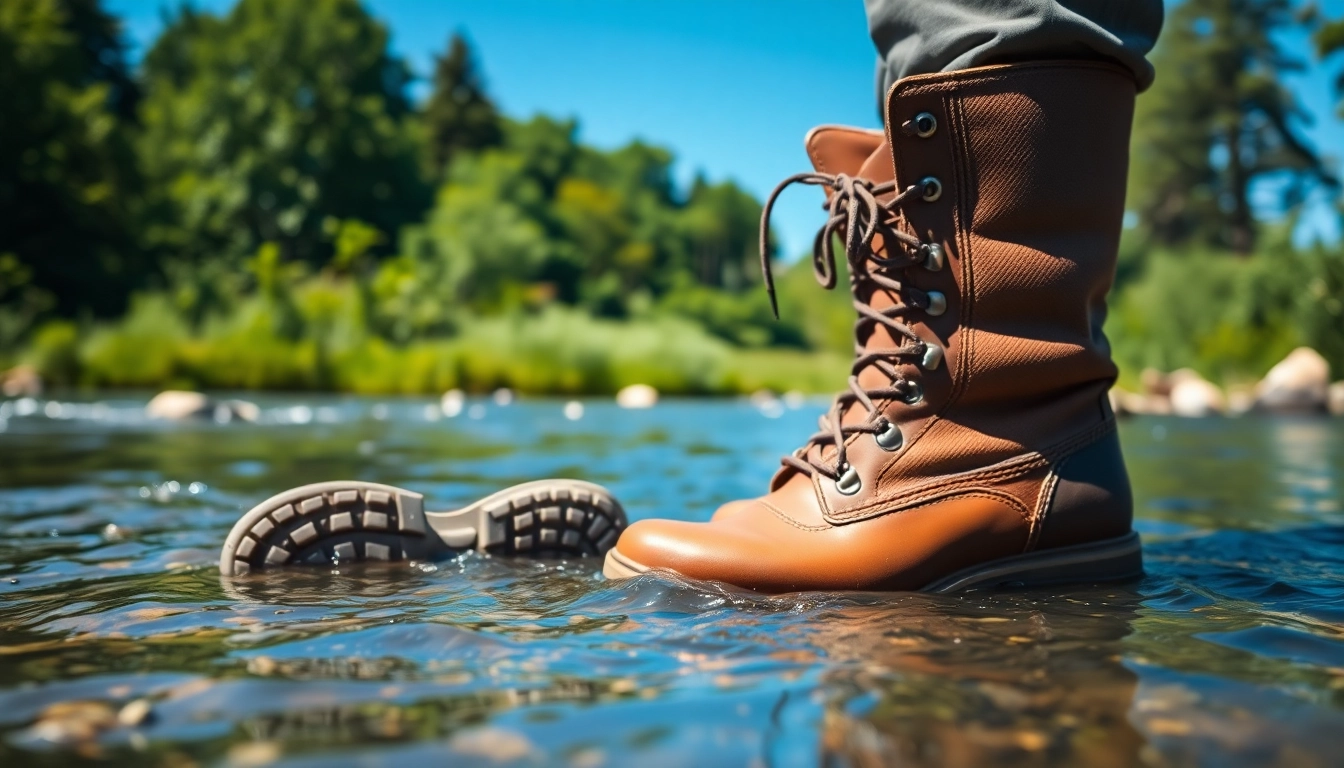
Fly fishing boots are specialized footwear designed to provide anglers with the necessary support, protection, and stability while wading through various water bodies. These boots typically feature characteristics that enhance traction on slippery surfaces, resist moisture, and provide comfort during extended wear. This makes them essential for any serious fly fishing enthusiast. If you're looking for quality options, check out Fly fishing boots.
Importance of Quality Footwear
Quality footwear is crucial in fly fishing as it affects not only the angler’s comfort but also their safety. Poorly constructed boots can lead to slips and falls, especially on wet, uneven terrains. Additionally, quality materials can also enhance durability, ensuring that the investment holds up against the rigors of outdoor adventures. Good footwear provides the necessary insulation against cold water and supports foot health, preventing common issues such as blisters and fatigue.
Different Types of Fly Fishing Boots
There are several types of fly fishing boots available, each suited for different environments and preferences:
- Wading Boots: Typically used in freshwater environments, these boots offer ankle support and feature either rubber or felt soles.
- Sandals: Ideal for warmer climates, while they offer less protection, they provide ventilation.
- Bootfoot Waders: Combining waterproof pants and boots, these are excellent for cold water fishing.
Key Features of Fly Fishing Boots
Sole Types: Felt vs Rubber
The choice of sole material is critical for traction and safety. Felt soles excel in providing grip on slippery surfaces like river rocks, making them popular among traditional anglers. However, they hold water and can be harder to clean. Rubber soles, conversely, offer versatility across various terrains and can have studded designs for enhanced traction. The choice between felt and rubber ultimately depends on the fishing environment and personal preference.
Waterproof Materials for Fly Fishing Boots
Waterproofing is an essential feature of fly fishing boots. Many boots utilize breathable yet waterproof materials such as Gore-Tex, which allow moisture from perspiration to escape while keeping water from entering. This technology is particularly important during extended periods in the water as it helps maintain foot warmth and comfort.
Comfort and Fit Considerations
A proper fit can significantly enhance comfort during fishing trips. Boots should fit snugly without being too tight, providing adequate arch support and cushioning. Many high-quality brands offer boots with adjustable features such as BOA lacing systems, which allow for easy adjustments while on the move. Also, trying on boots with the socks you plan to use can ensure an accurate fit.
Maintenance Tips for Longevity
Cleaning Fly Fishing Boots After Use
Proper cleaning after each use is vital to prolonging the life of fly fishing boots. Rinse off mud, sand, and debris with fresh water and let them air dry. Avoid direct sunlight and heat sources, as they can damage materials over time. For deeper cleaning, use a soft brush and mild soap, paying particular attention to the soles.
Storing Fly Fishing Boots Properly
When not in use, store fly fishing boots in a cool, dry place away from direct sunlight. It’s beneficial to remove the insoles and let both the insoles and boots dry completely to avoid mildew. Placing them in a breathable storage bag can also prevent dust accumulation and maintain the materials’ integrity.
Repair Tips for Common Issues
Over time, wear and tear may lead to common boot issues, such as sole separation or minor tears. For sole separation, using a strong adhesive designed for waterproof materials can be effective. Minor tears can often be repaired with waterproof patches. However, significant damage may require professional repair or replacement.
Popular Brands and Models
Recognizing Reputable Brands
While there are many brands in the footwear market, recognizing reputable brands is essential for ensuring quality. Look for manufacturers with a strong reputation in the fly fishing community, known for their commitment to quality materials and excellent customer service.
Features that Stand Out in Top Models
Top fly fishing boots typically include features like reinforced toes for protection, adjustable lacing systems for optimal fit, and ergonomic designs that enhance comfort. Additionally, boots with replaceable soles or customizable traction systems are increasingly popular, allowing anglers to adapt their footwear based on varying conditions.
User Reviews and Recommendations
Before making a purchase, it's helpful to look at user reviews. Many anglers share their experiences regarding comfort, performance, and durability, providing insights that can lead you to the best choice. Look for feedback regarding specific fishing conditions similar to those you anticipate encountering.
Frequently Asked Questions about Fly Fishing Boots
What kind of boots do you wear when fly fishing?
Wear wading boots designed for the fishing environment, ensuring they have either rubber or felt soles for traction. Breathable and waterproof materials are crucial for comfort.
What are the best fly fishing boots?
The best fly fishing boots vary by user needs. Generally, boots that offer good ankle support, proper waterproofing, and durable soles are considered top choices.
How to ensure proper fit of my fly fishing boots?
When trying on, make sure there’s enough room for thick socks, check for snugness around the heel, and ensure no pressure points occur anywhere on the foot.
Are felt soles necessary for fly fishing?
Felt soles are not strictly necessary but provide superior traction in slippery conditions. Adapt to the type of water and terrain you’ll encounter when deciding.
How can I clean my fly fishing boots effectively?
After each use, rinse your boots with clean water to remove dirt. Use a soft brush and mild soap for deeper cleaning, and air dry away from direct sunlight.