
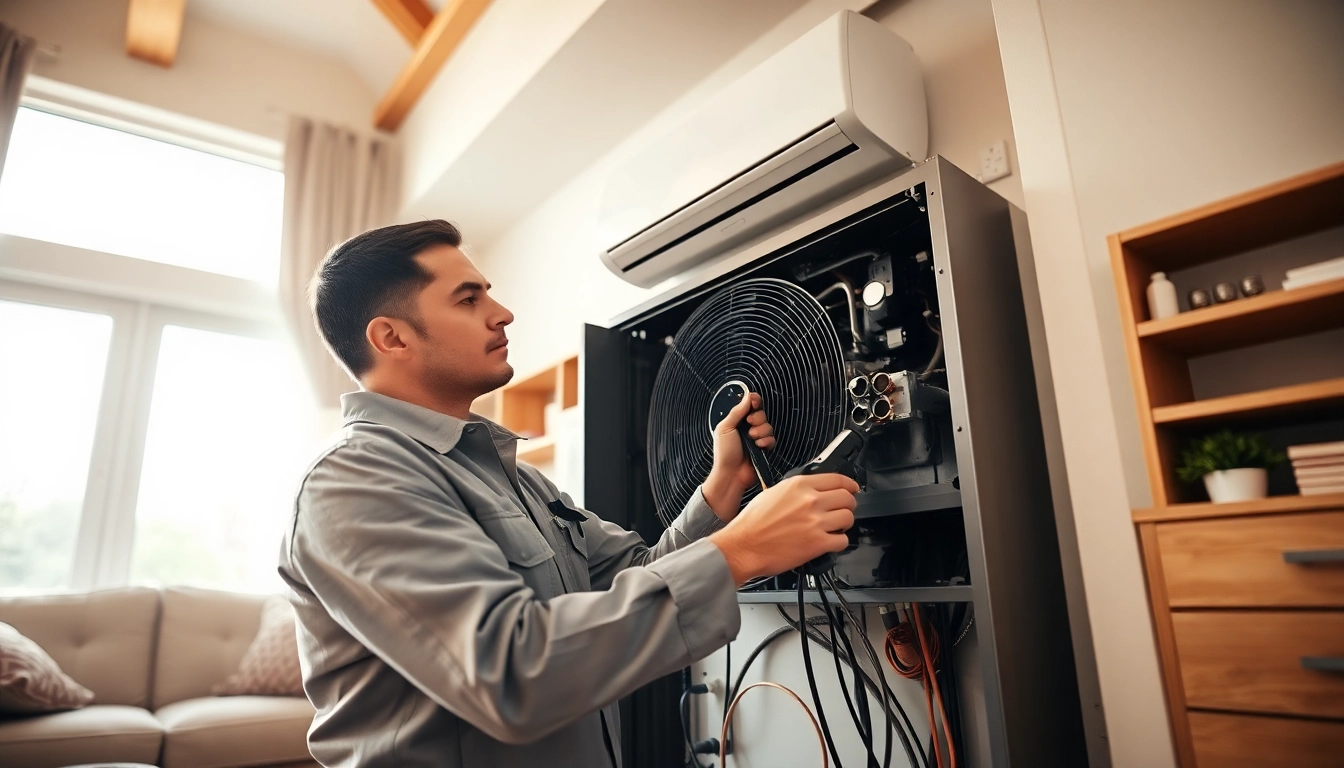

Understanding HVAC Services Minneapolis
Heating, ventilation, and air conditioning (HVAC) is a critical component for maintaining indoor comfort in homes and commercial properties. In Minneapolis, where winter temperatures can plummet and summers can become sweltering, hvac services minneapolis are essential for year-round comfort. Understanding the scope of these services can help homeowners and businesses make informed decisions that enhance their comfort, cut down on energy costs, and extend the lifespan of their HVAC systems.
What Are HVAC Services?
HVAC services encompass all facilities related to the installation, repair, maintenance, and replacement of heating and cooling systems. This includes a range of equipment like furnaces, air conditioners, heat pumps, and ductwork. HVAC experts are trained to assess system performance, recommend improvements, and execute necessary repairs to ensure that systems operate efficiently and safely.
The Importance of Regular Maintenance
Regular maintenance is vital for keeping HVAC systems functioning optimally. Routine check-ups can help identify potential issues before they escalate into costly repairs. Additionally, regular servicing ensures that all components work efficiently together, improving airflow and maximizing comfort levels while reducing energy consumption. Most experts recommend scheduling maintenance at least twice a year—before summer and winter—to prepare the system for the demands of these seasons.
Common HVAC Services Offered
Common HVAC services in Minneapolis include:
- Installation: Setting up new HVAC systems tailored to specific building needs.
- Repairs: Fixing malfunctioning components, including broken thermostats, leaking ducts, and more.
- Maintenance: Routine services including filter changes, duct cleaning, and performance checks.
- Energy Audits: Assessing system efficiency and offering solutions for improvements.
- Indoor Air Quality Services: Installing air purifiers, humidifiers, and ventilation systems.
Choosing the Right HVAC Provider in Minneapolis
When it comes to hiring an HVAC provider, selecting the right one can make all the difference in performance and satisfaction. It’s crucial to take time to research and evaluate potential contractors carefully.
Factors to Consider When Hiring
Here are some key factors to consider:
- Experience: Look for companies with a proven track record and knowledgeable staff.
- Licensing and Insurance: Verify that the company is licensed to operate in Minnesota and has adequate insurance to protect against accidents.
- Customer Reviews: Check online reviews and testimonials to gauge customer satisfaction.
- Service Offerings: Ensure they offer services tailored to your specific needs, including emergency services.
- Warranty and Maintenance Plans: Inquire about warranties on installations and any maintenance plans they offer to keep your system running smoothly.
Questions to Ask Your HVAC Contractor
When interviewing potential HVAC contractors, consider asking the following questions:
- What experience do you have with systems similar to mine?
- Can you explain your pricing structure and what is included?
- What types of warranties do you offer on equipment and labor?
- How do you approach emergency repairs?
- What energy efficiency options do you recommend for my home?
Understanding Pricing Models
The pricing of HVAC services can vary significantly based on factors like system size, type, and complexity. Understanding the typical pricing models can help you set a budget. Most contractors provide quotes based on:
- Flat Rate: A fixed price for specific services or installation.
- Hourly Rate: Billed based on actual time taken to complete tasks.
- Cost of Parts: Quoting separately for parts needed for any repairs or installations.
Innovation in HVAC Technology
The HVAC industry is evolving with technological innovations that enhance efficiency, performance, and comfort. Understanding these changes can help you make informed choices about your home’s heating and cooling systems.
Smart HVAC Systems
Smart HVAC systems incorporate advanced technology that allows for remote control and monitoring through smartphones or smart home devices. These systems learn user preferences and optimize performance accordingly, leading to improved comfort and lower energy bills. Features often include:
- Programmable thermostats that adjust temperatures based on your schedule.
- Leak detection systems to alert homeowners of potential issues.
- Zoning systems that control temperatures in different areas of your home independently.
Benefits of Energy-Efficient Units
Switching to energy-efficient HVAC units can greatly impact energy consumption and reduce utility bills. These units are designed to use less energy while providing the same, if not better, performance as older models. Benefits include:
- Lower Energy Bills: Savings on monthly energy bills can be substantial.
- Environmental Impact: Reduced carbon footprint, aiding in sustainability efforts.
- Increased Resale Value: Energy-efficient features can enhance the value of your home.
Upcoming Trends in HVAC Services Minneapolis
As homeowners focus on efficiency and sustainability, several trends are emerging in HVAC services:
- Renewable Energy Integration: More HVAC systems are being designed to work alongside solar panels and geothermal energy sources.
- Enhanced Indoor Air Quality: There’s a growing emphasis on systems that improve air quality through advanced filtration and ventilation technologies.
- Smart Technology Adoption: Increased usage of smart technologies continues to make systems more efficient and user-friendly.
DIY HVAC Maintenance Tips for Homeowners
While it’s essential to hire professionals for major repairs and maintenance, there are several DIY tasks homeowners can undertake to keep their HVAC systems in good condition, which can extend the life of the system and improve energy efficiency.
Simple Maintenance Tasks
Here are a few maintenance tasks you can tackle yourself:
- Filter Replacement: Change or clean filters every 1-3 months to ensure optimal airflow.
- Clear Debris: Keep outdoor units free from leaves, snow, and dirt to ensure airflow.
- Check Thermostat Settings: Ensure they are set correctly and functioning properly.
Signs Your HVAC Needs Professional Attention
It’s crucial to recognize when your HVAC system requires professional intervention. Common signs include:
- Unusual Noises: Loud banging or grinding sounds can indicate mechanical issues.
- Inconsistent Temperatures: Areas of your home that are significantly hotter or cooler can indicate airflow problems.
- Foul Odors: Unpleasant smells may indicate burnt wires or mold in the ductwork.
Seasonal Preparations for HVAC Systems
Preparing your HVAC system for seasonal changes can prevent unexpected breakdowns. Here’s how:
- Pre-Season Check-ups: Schedule maintenance ahead of each heating and cooling season.
- Insulation Checks: Ensure that insulation is adequate around ducts and in attics to enhance efficiency.
- Test the System: Run your heating or cooling system before the season starts to catch any issues early.
Frequently Asked Questions about HVAC Services Minneapolis
How often should I service my HVAC system?
It’s recommended to service your HVAC system twice a year, typically in the spring and fall, to ensure it’s ready for summer and winter temperatures.
What is the average cost of HVAC installation?
The cost of HVAC installation varies widely but typically ranges from $3,000 to $7,000, depending on the system type, size, and home specifics.
How can I improve my HVAC system’s efficiency?
Improving efficiency can be achieved through regular maintenance, installing a programmable thermostat, using energy-efficient units, and sealing ducts.
What size HVAC unit do I need for my home?
The size of an HVAC unit depends on factors like home size, insulation, and local climate; a professional can help calculate the proper size using the Manual J method.
Are there financing options for HVAC services?
Many HVAC providers offer financing options or payment plans for installations and major repairs, allowing homeowners to manage costs more easily.