
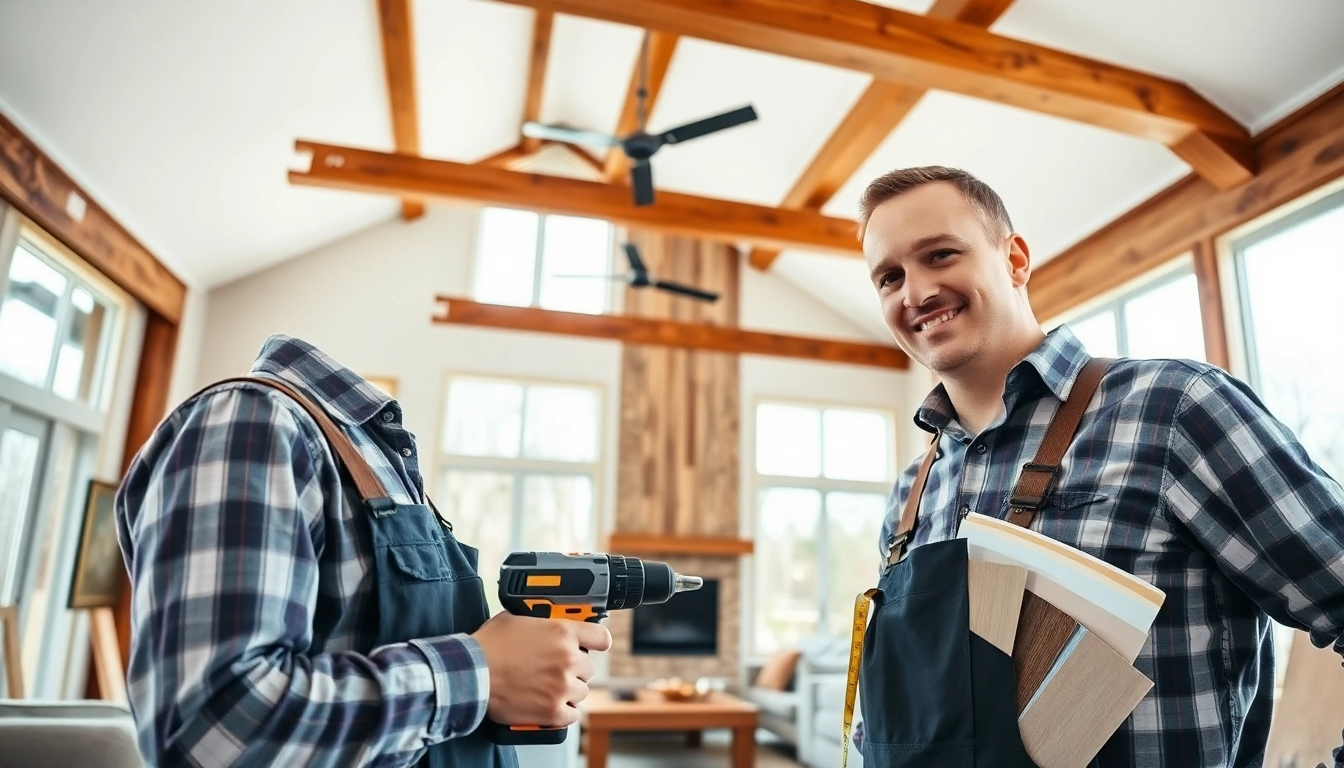

Understanding Home Renovation
Defining Home Renovation and Its Importance
Home renovation encompasses a range of projects aimed at improving, remodeling, or altering residential properties. This process not only enhances the aesthetic appeal of a home but also significantly increases its functionality and value. A successful renovation merges personal taste with practical needs, resulting in a space that reflects the homeowner’s vision. Choosing to renovate is not merely about physical changes; it signifies a deeper commitment to sustainability and modernization, crucial in today’s real estate landscape.
Common Reasons for Home Renovation
There are numerous motivations behind embarking on a Home renovation project. Below are some of the most common reasons:
- Increased Property Value: Renovations can significantly boost a home’s market worth, making it an attractive option for sellers.
- Improved Functionality: Homeowners often require more space or better-designed areas that fit their lifestyles, prompting renovations.
- Energy Efficiency: Upgrading to energy-efficient appliances or improving insulation can lead to reduced energy bills.
- Modernization: Renovations allow homeowners to incorporate new trends and technologies that enhance livability.
- Personalization: Tailoring spaces to meet individual preferences or tastes is a strong motivator behind many renovations.
Key Features of Successful Home Renovation
A successful home renovation project is characterized by careful planning, skilled craftsmanship, and clear communication between homeowners and contractors. Key features include:
- Thorough Planning: Each step of a renovation needs thoughtful consideration, including design, materials, and timeline.
- Budget Management: Successfully managing finances through realistic budget allocations and contingencies leads to satisfaction with the final results.
- Quality Materials: Investing in high-quality materials can significantly affect the longevity and aesthetics of the renovation.
- Clear Vision: A well-defined concept that guides all decisions ensures cohesive design and execution.
- Attention to Detail: Focusing on small elements can greatly enhance the overall impact of a space.
Planning Your Home Renovation Project
Setting a Realistic Budget for Home Renovation
Budgeting is one of the most critical aspects of any home renovation. To create a realistic budget, homeowners should:
- Assess the overall cost of materials, labor, and permits.
- Include a contingency fund, typically 10-20% of the total budget, to cover unexpected expenses.
- Research costs based on the scope of the renovation and local pricing trends.
- Consult with contractors to receive precise estimates that align with your vision.
Creating a Timeline for Your Home Renovation
An effective renovation timeline facilitates smooth execution. To create one:
- Define project milestones, such as design completion, obtaining permits, and major construction phases.
- Allocate adequate time for each phase, incorporating buffer periods for unexpected delays.
- Regularly update your timeline and communicate progress to all stakeholders.
Choosing the Right Design and Style for Home Renovation
The design phase is where a homeowner’s vision becomes tangible. To choose the right design, consider:
- Your home’s architectural style and how new elements will complement it.
- Current design trends while ensuring they align with personal preferences.
- Future needs, which might influence choices made today.
- Consulting with a designer for professional insights may provide valuable perspective.
Executing Your Home Renovation
Finding and Hiring Skilled Contractors for Home Renovation
The execution phase hinges on collaboration with skilled contractors. To find the right professionals:
- Seek recommendations from friends or family who have completed renovations.
- Look for online reviews and ratings to gauge feedback from previous clients.
- Interview multiple candidates, discussing their approach, expertise, and previous work.
- Ensure they are licensed and insured to protect yourself from liability during the project.
Best Practices During Home Renovation Execution
During execution, following best practices will yield the best results:
- Maintain open lines of communication with all parties involved to address challenges promptly.
- Conduct regular onsite visits to monitor progress and quality, ensuring alignment with your vision.
- Document changes or modifications to the plan to keep a clear record of the project evolution.
- Be adaptable to changes while maintaining your objectives and budget.
Managing Challenges During Home Renovation Projects
Every renovation project may confront challenges. Managing these effectively involves:
- Anticipating common issues such as budget overruns or scheduling delays.
- Creating a contingency plan to address unexpected problems swiftly.
- Collaborating closely with contractors to find practical solutions as challenges arise.
Post-Renovation Considerations
Inspection and Evaluation After Home Renovation
Once the renovation is complete, performing an inspection is crucial to evaluate the work done. Consider the following:
- Identify areas that meet or exceed your expectations and those that require adjustments.
- Ensure all aspects comply with building codes and standards.
- Schedule a final walkthrough with your contractor to address any concerns.
Maintenance Tips for Newly Renovated Spaces
To retain the appeal and functionality of your renovated spaces, employ some maintenance tips:
- Establish a regular cleaning schedule tailored to the materials and design of the new spaces.
- Conduct periodic inspections for wear and tear, addressing issues promptly to prevent larger problems.
- Follow specific care instructions for new appliances or installations to ensure longevity.
Enhancing Your Home’s Value Post-Renovation
After completing your Home renovation, there are several ways to maximize its value:
- Keep your renovations documented to highlight improvements to potential buyers.
- Consider staging your home if planning to sell, showcasing the renovations to their best advantage.
- Regularly update your landscaping and exterior finishes to complement the interior renovations.
Innovative Trends in Home Renovation
Eco-Friendly Home Renovation Practices
As sustainability becomes increasingly important, incorporating eco-friendly practices in renovations can greatly enhance your home’s appeal:
- Use sustainable materials, such as bamboo or reclaimed wood, for flooring and cabinetry.
- Install energy-efficient appliances to reduce energy consumption and costs.
- Consider adding solar panels or green roofs as long-term, eco-conscious investments.
Smart Home Features to Integrate in Home Renovation
Integrating smart technology during renovations allows homeowners to enhance comfort, security, and efficiency:
- Install smart thermostats for improved energy management throughout the home.
- Use smart security systems for enhanced safety and surveillance.
- Incorporate automation systems for lighting and appliances to tailor the living experience to your preferences.
Future-Proofing Your Home Renovation Choices
Future-proofing your renovations is essential to ensure longevity and continued value:
- Opt for timeless designs that won’t go out of style, reducing the need for future renovations.
- Invest in high-quality materials that stand the test of time and are resilient to wear and tear.
- Stay informed about emerging trends in home design to anticipate and meet potential buyer demands.