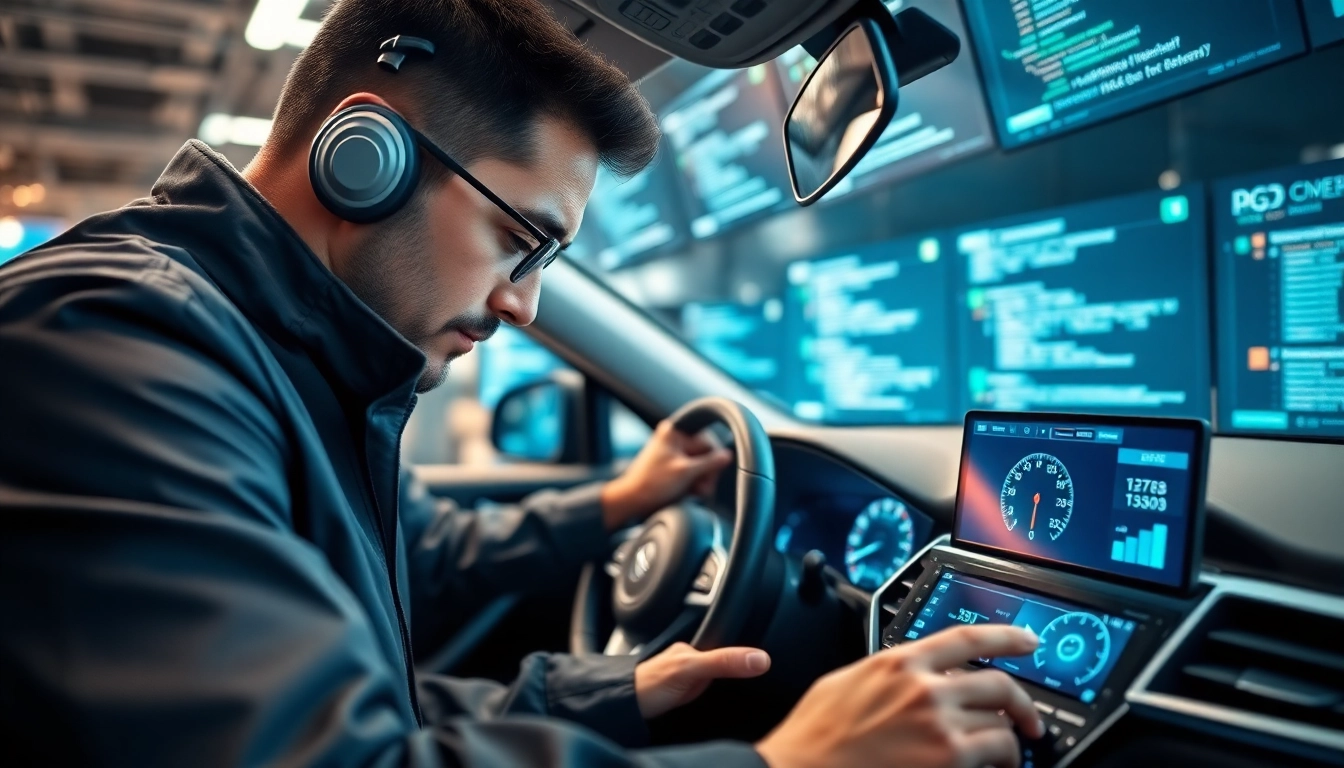
Understanding Car Hacking: Safeguards for Your Vehicle
In an era where vehicles are becoming increasingly connected, the concept of car hacking has evolved from a niche concern to a widespread issue that affects numerous vehicle owners. As technology integrates more deeply into automotive engineering, understanding what car hacking entails, its implications, and how to protect your vehicle has never been more crucial. This article explores the multifaceted landscape of car hacking, offers insights into its risks, and provides practical recommendations to safeguard your vehicle from potential threats. For additional resources and information, visit https://car-hack-world.com.
Introduction to Car Hacking
What is Car Hacking?
Car hacking refers to unauthorized access to a vehicle's systems, with the potential to control various functionalities such as the ignition, brakes, and infotainment systems. This can occur through a myriad of methods, commonly exploiting vulnerabilities in the vehicle's software and hardware interfaces. The implications of such access can range from benign, like changing music playlists, to gravely serious, including compromising vehicle safety.
History and Evolution of Automotive Hacking
The history of car hacking dates back to when the first electronic control units (ECUs) were introduced into vehicles. As automotive technology advanced, especially with the onset of connected cars, the opportunities for exploitation grew exponentially. Over the years, notable incidents have highlighted vulnerabilities, such as the infamous hack of a Jeep on the highway, which shed light on potential dangers associated with modern automobile technologies.
Common Myths about Car Hacking
There are several misconceptions surrounding car hacking. One prevalent myth is that only high-end or “smart” cars are vulnerable. However, many ordinary vehicles possess the same technological components that can be compromised. Another myth is that car hacking requires sophisticated, technical skills; in reality, there are numerous tools and information available that make such attacks accessible to individuals with average technical knowledge.
Types of Car Hacking Attacks
Remote Access Vulnerabilities
One of the primary methods of car hacking involves remote access vulnerabilities, which can occur through wireless connections, such as Bluetooth or Wi-Fi. Hackers can exploit these entry points to gain control over various functions of a vehicle, leading to significant safety risks.
Many modern cars come equipped with telematics systems that can communicate data over the air. While this offers convenience and additional features for users, it also provides hackers with potential backdoors into the car’s operating systems. This kind of attack often involves sending malicious commands to the vehicle, which can allow for control over features like unlocking doors, starting the engine, or disabling key safety systems.
Physical Attacks on Vehicles
Physical attacks represent another threat, where hackers gain access to vehicles through direct interaction. This could involve using electronic devices to bypass security systems or even theft where a hacker gains entry manually. Physical attacks expose vulnerabilities in traditional locking mechanisms, such as traditional keys or key fobs, which can be replicated or overridden through various techniques, including relay attacks.
Data Breaches and Personal Information Theft
With vehicles increasingly storing personal information about their owners, data breaches have become a significant concern. Data leaks can expose sensitive information, including locations, driving habits, and personal identification details. Hackers may target the vehicle's systems with the aim of extracting this data for malicious purposes, such as identity theft.
Impact of Car Hacking on Consumers
Safety Risks Associated with Hacking
The most pressing concern related to car hacking is the safety risk it poses to consumers. Access to a car's critical driving functions can jeopardize not only the hacker's safety but also the safety of other drivers and pedestrians. Reports of hacks that allow for remote stopping of vehicles or acceleration manipulation highlight the very real dangers inherent in these cybersecurity vulnerabilities.
Financial Consequences for Vehicle Owners
Financially, the repercussions of car hacking can be substantial. Vehicle owners may incur costs related to repairing damages, compensating for stolen property, or dealing with potential increases in insurance premiums due to heightened risks. Additionally, if a vehicle is compromised, its resale value may decrease significantly.
Legal Implications of Car Hacking
Legal implications surrounding car hacking are also evolving. As car manufacturers and software developers grapple with how to secure vehicles, owners may find themselves navigating complex legal landscapes if their vehicle is hacked or if they are accused of hacking another vehicle. Legislation surrounding automotive cybersecurity is expected to become stricter, focusing on manufacturers' obligations to protect consumer data and vehicle integrity.
Protecting Your Vehicle from Hacks
Understanding Best Practices for Security
Adopting best practices for vehicle security is crucial in protecting your car from potential hacking threats. Here are some recommendations:
- Always change default passwords for any connected vehicle applications.
- Enhance physical security measures, such as steering wheel locks or immobilizers.
- Avoid using unsecured public Wi-Fi networks to connect to vehicle features.
- Be cautious of any unusual notifications from your vehicle’s system.
Utilizing Software Updates and Security Patches
Regularly updating software and firmware is one of the most effective ways to mitigate the risks of car hacking. Manufacturers commonly release updates that address known vulnerabilities; thus, vehicle owners should ensure their vehicles are running the latest software. This can include updates for infotainment systems, navigation software, and underlying operating systems.
Emergency Measures Post-Hacking
If you suspect that your vehicle has been hacked, it’s essential to take immediate action:
- Disconnect your vehicle from all networks, including Wi-Fi and Bluetooth.
- Contact a professional to inspect and secure your vehicle.
- Inform your insurance company about the hack.
- Document any suspicious activities related to your vehicle.
The Future of Car Hacking and Cybersecurity
Trends in Automotive Technology
The automotive industry is rapidly evolving, with trends towards more connectivity, automation, and integration of artificial intelligence. As vehicles become smarter, the complexity of their systems increases, potentially presenting more vulnerabilities to hackers. Understanding these trends is essential for both manufacturers and consumers alike.
Regulatory Changes Affecting Cybersecurity
As the threat of car hacking grows, regulatory changes in the automotive sector are expected to ramp up. Governments around the world are starting to address cybersecurity concerns more seriously, mandating that manufacturers adhere to stringent cybersecurity protocols. Such regulations will aim to enhance vehicle safety and consumer trust in increasingly connected technologies.
Innovations in Car Security Solutions
The future of car security looks promising, with innovations emerging in encryption, biometric access systems, and advanced threat detection solutions. These innovations aim not only to improve safety but also to build consumer confidence in the technology that powers modern vehicles. By understanding and embracing these advancements, both manufacturers and consumers can better prepare themselves for the challenges ahead.