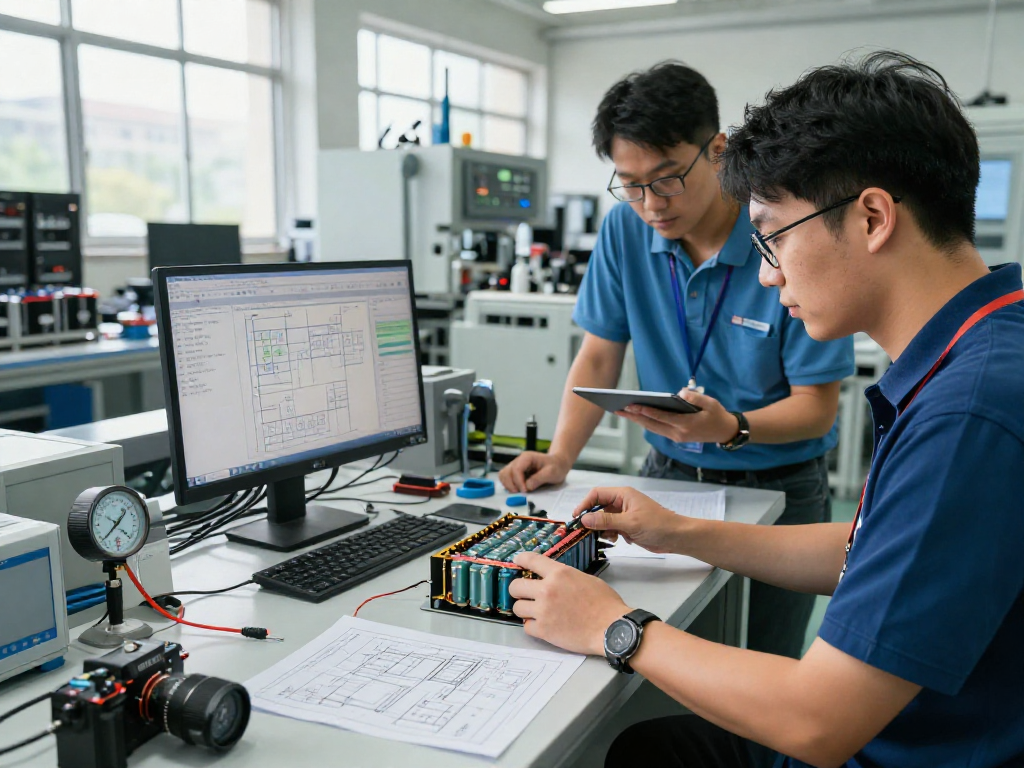
Introduction to Technology in Modern Life
In today’s fast-paced world, technology is an omnipresent force driving innovation and shaping our daily experiences. From the devices we use to communicate, the ways we work, to how we access information, technology has become integral to the fabric of society. As we explore the transformative influence it exerts, we can appreciate its multifaceted role in modern life while also considering its implications for the future. For deeper insights on this topic, you can check out https://mohamedmmblog.tech.
Defining Technology's Role
At its core, technology encompasses the tools, systems, and methods applied to solve problems, enhance efficiency, and improve our quality of life. It is synonymous with progress and innovation and includes everything from simple tools to complex systems integrated through various sectors such as healthcare, education, and entertainment. Technology empowers individuals, businesses, and governments, creating opportunities for development and fostering social connections.
Historical Context of Technology Development
The evolution of technology can be traced back to ancient innovations, such as the wheel and the printing press, which laid the foundation for future advancements. The Industrial Revolution marked a significant turning point, introducing machines that transformed manufacturing processes and urban life. As time progressed, the advent of computers and the internet ushered in a digital era, fundamentally changing how information is disseminated and consumed. Today, we stand on the brink of another technological leap with developments in artificial intelligence, robotics, and biotechnology, which promise to further redefine human capabilities.
Current Trends Shaping Society
Several trends characterize the modern technological landscape. The rise of artificial intelligence and machine learning is reshaping industries, while the Internet of Things (IoT) connects devices in ways previously unimaginable. Virtualization and cloud computing facilitate remote work and collaboration. Moreover, social media platforms transform communication and information dissemination, leading to both positive and negative societal consequences. Understanding these trends equips us to navigate the complexities of a technology-driven world.
Artificial Intelligence and Its Societal Effects
AI in Daily Life
Artificial Intelligence has rapidly become a part of our everyday experiences. From virtual assistants like Siri and Alexa to advanced recommendation algorithms on streaming platforms and e-commerce sites, AI is designed to enhance convenience and personalize user experiences. Smart home devices, powered by AI, are transforming how we manage our living spaces, making them more energy-efficient and responsive to our needs. This convenience is only one facet; AI also plays a crucial role in sectors such as healthcare, where it assists in diagnostics and patient care.
Impact on Job Markets
The automation of tasks through AI technologies raises significant questions regarding employment. While some roles may be displaced, new categories of jobs—those that focus on overseeing AI systems or developing AI technologies—are emerging. An analysis of labor markets shows that job restructuring is immediate; workers must acquire new skills to remain competitive. Hence, reskilling and upskilling initiatives are essential to prepare current and future generations for an evolving job landscape driven by AI.
Ethical Considerations of AI Usage
With the benefits of AI come ethical dilemmas that society must address. Issues surrounding data privacy, algorithmic bias, and accountability arise as these technologies increasingly influence decision-making processes. The challenge lies in establishing regulatory frameworks that ensure ethical AI deployment while fostering innovation. Collaborative efforts among technologists, ethicists, and policymakers are vital to navigating these complex considerations and achieving a balance between technological advancement and societal welfare.
The Internet of Things: Connectivity and Beyond
Defining the Internet of Things
The Internet of Things (IoT) refers to the interconnection of everyday objects to the internet, enabling them to send and receive data. This connectivity facilitates communications between devices and our digital platforms—think of smart thermostats that adjust to your preferences, wearable fitness trackers that monitor health metrics, and even connected refrigerators that remind you of groceries you need to purchase. But the IoT goes beyond home devices; it's revolutionizing industries like agriculture, manufacturing, and transportation.
Benefits and Challenges of IoT Integration
IoT integration provides numerous advantages, including enhanced efficiency, reduced operational costs, and improved data-driven decision-making. Organizations are able to leverage data collected from connected devices to optimize operations and forecast future trends. However, the challenges are significant. Security concerns around data breaches loom large, and the issue of interoperability between diverse IoT devices presents a technical hurdle. Effective solutions must address these issues while fostering innovation in this burgeoning field.
Future Prospects of IoT in Society
Looking ahead, the future of IoT appears promising, with projections estimating billions of connected devices by the next decade. Smart cities equipped with advanced IoT frameworks will enhance urban living through automated transportation systems, improved waste management, and efficient energy use. Yet, this expansion necessitates robust infrastructure and partnerships among governments, private sectors, and communities to ensure that the benefits of IoT are equitably distributed and accessible to all.
Virtualization: Changing the Landscape of Work
Overview of Virtual Capabilities
Virtualization involves creating virtual versions of computing resources, applications, or networks that allow for greater flexibility and efficiency. This technology underpins cloud computing services, enabling users to access software and storage solutions over the internet rather than through local servers. As a result, organizations can scale operations effortlessly, adapt to changing needs, and foster collaboration irrespective of geographical barriers.
Impact on Remote Working Practices
The COVID-19 pandemic accelerated the adoption of remote working practices, and virtualization played a central role in that shift. Virtual collaboration tools and platforms became essential for maintaining business continuity, fostering teamwork, and enabling communication in real time. As businesses embrace hybrid work models, the demand for solutions like video conferencing and project management software continues to grow. This evolution brings forth opportunities and challenges related to team dynamics, productivity measurement, and employee engagement.
Tools and Technologies Driving Virtualization
A variety of tools and technologies drive the virtualization trend, including hypervisors, virtual desktop infrastructure (VDI), and application containers. These innovations allow organizations to maximize resource utilization and reduce IT costs. Moreover, advances in security protocols and performance optimization are crucial to supporting the sustained growth of virtual environments. As businesses increasingly migrate to cloud-based infrastructures, comprehending these technologies becomes imperative for IT professionals and organizations alike.
Future Trends and Predictions in Technology
Emerging Technologies on the Horizon
Several emerging technologies are set to redefine our interactions with the digital world. Blockchain technology promises to enhance security and transparency in data management across various industries. Quantum computing stands to revolutionize problem-solving, allowing for the processing of vast amounts of data at unprecedented speeds. Furthermore, advancements in biotechnology encourage innovations that promise to improve health outcomes while addressing ethical considerations.
Predicted Changes in Everyday Life
As technology progresses, everyday life will continue to evolve dramatically. The integration of AI and IoT in everyday appliances will lead to smarter homes and cities, while augmented reality (AR) could change the way we experience entertainment and retail. Additionally, the shift toward sustainable technologies will redefine how we produce and consume resources, promoting a more environmentally responsible society.
Preparing for a Tech-Driven Future
As society braces for a tech-driven future, education and adaptability will be key components for success. Individuals must embrace lifelong learning to stay current with technological advancements. Policymakers, businesses, and educational institutions must collaborate to equip future generations with the necessary skills and competencies to thrive in this dynamic landscape. By advocating for inclusivity in tech development, we can shape a future that benefits all members of society.