
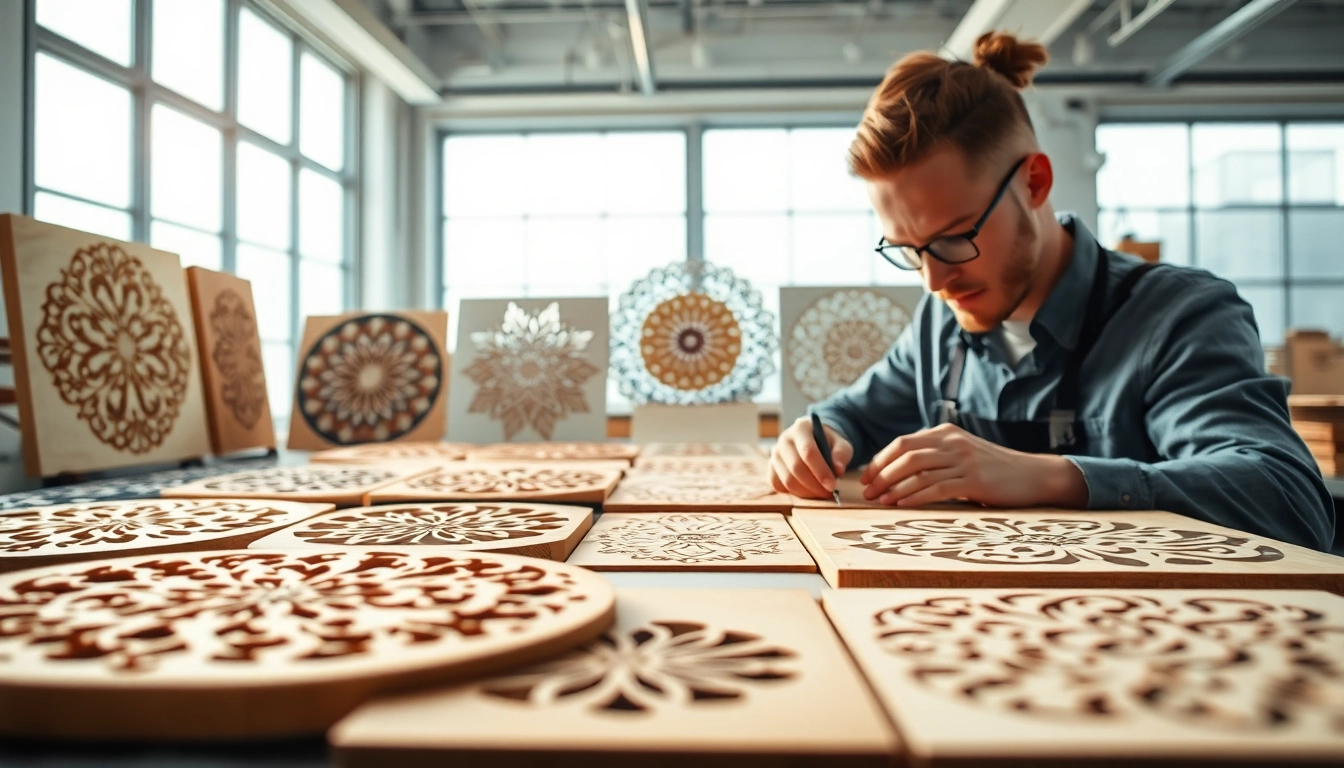

Understanding the Basics of Laser Cutting Designs
What is Laser Cutting?
Laser cutting is a precision cutting technology that employs a high-powered laser beam to remove material and create intricate designs. The process is highly versatile and enables the cutting of various materials, including wood, acrylic, metal, fabric, and paper. By focusing on a small area, laser cutting achieves clean edges and intricate designs, making it ideal for both industrial applications and creative projects.
Key Benefits of Laser Cutting Designs
The adoption of laser cutting designs has surged due to several advantages:
- Precision: Laser cutting boasts a high degree of accuracy, allowing for detailed and complex designs that are otherwise difficult to achieve with traditional cutting methods.
- Versatility: Laser cutters can work with a wide range of materials, which enables users from various industries to adapt the technology to their unique needs.
- Minimal Waste: The process usually generates less waste compared to other cutting techniques, making it a more environmentally friendly option.
- Automation: Many laser cutting machines can be automated, speeding up production times and increasing efficiency.
- Cost-Effective: Despite initial investments, laser cutting designs can save money in the long run due to reduced labor costs and minimal material wastage.
Common Materials Used for Laser Cutting Designs
Laser cutting is suitable for a diverse array of materials, including:
- Wood: Often used in crafts and furniture, wood can be intricately cut and engraved.
- Acrylic: A lightweight plastic, acrylic is favored for signage and artistic projects due to its clarity and glossy finish.
- Metal: Steel, aluminum, and brass are common metals cut using lasers, primarily for industrial applications.
- Fabric: Textiles can be precisely cut for fashion design or upholstery, showcasing the technology’s adaptability.
- Paper: Ideal for creating intricate patterns and prototypes, paper is a staple in crafting.
Applications of Laser Cutting Designs in Various Industries
Industrial Uses of Laser Cutting Designs
In the industrial sector, laser cutting designs play a vital role in manufacturing processes. From automotive parts to aerospace components, laser cutting ensures that items are produced with precision and speed. These technologies enable manufacturers to maintain tight tolerances, thus enhancing product quality and reliability.
Furthermore, laser cutting contributes to the development of prototypes, where rapid iteration is essential. Industries benefit from the ability to create unique component designs quickly, allowing for more efficient product development cycles.
Creative Applications in Art and Crafts
The world of arts and crafts has seen a tremendous transformation due to laser cutting. Artists leverage this technology to push the boundaries of creativity. Whether it’s custom jewelry, detailed architectural models, or unique wall art, laser cutting enables artists to realize their imaginative ideas with precision.
Additionally, in crafting circles, DIY enthusiasts utilize laser cutting for personalized gifts and home décor projects. This not only enhances creativity but also encourages small-scale businesses to flourish, thanks to the low barrier of entry for starting creative ventures with laser technology.
Functional Uses in Prototyping and Manufacturing
Prototyping is among the most practical applications for laser cutting designs. Designers and engineers can quickly create scaled models of their products, facilitating testing and refinement before entering mass production. This process reduces costs and mitigates the risks associated with product launches.
In manufacturing, laser cutting aids in creating components that require high accuracy and repeatability. For instance, electronic manufacturers often use laser cutting for circuit boards and custom enclosures, which are vital to maintaining product performance.
Getting Started with Your Own Laser Cutting Designs
Choosing the Right Laser Cutter for Your Needs
When selecting a laser cutter, it’s essential to consider several factors, such as power, speed, and the types of materials you intend to cut. Laser cutters come in various configurations, including CO2 and fiber lasers, each suited for different applications.
For hobbyists, a smaller desktop model may suffice, while industrial applications may necessitate a high-powered machine with advanced features. Assessing your budget, required cutting thickness, and design complexity will help you make an informed purchase.
Software Solutions for Creating Laser Cutting Designs
The design process for laser cutting relies heavily on software. Programs like Adobe Illustrator, CorelDRAW, and specialized CAD software allow users to create vector-based designs that lasers can interpret efficiently. Many of these programs offer templates and tools specifically designed for laser cutting, streamlining the creation process.
It’s advisable to familiarize yourself with a selection of platforms to ensure you can choose the right tools for your design needs, regardless of your skill level.
Essential Safety Tips for Working with Laser Cutting Designs
Safety is paramount when working with laser cutting technologies. Below are essential safety tips:
- Protective Gear: Always wear safety glasses designed to filter laser light to protect your eyes.
- Workspace Environment: Ensure the workspace is well-ventilated to avoid inhaling toxic fumes released during laser cutting.
- Emergency Protocols: Familiarize yourself with the machine’s emergency shut-off feature and have a fire extinguisher on hand.
- Material Understanding: Know the materials you’re cutting and ensure they are suitable for laser cutting to prevent hazardous situations.
- Training: Proper training and knowledge of the equipment should be mandatory before operation.
Best Practices for Designing and Executing Laser Cutting Designs
Design Principles for Amazing Laser Cutting Projects
To create stunning and functional laser cutting designs, following fundamental design principles is crucial:
- Keep It Simple: Incorporate clean lines and simple shapes, as this reduces complexity and potential cutting issues.
- Consider Material Thickness: Adjust designs based on the thickness of the material to ensure proper cutting depth and structural integrity.
- Test Your Designs: Use prototype testing to verify designs before full-scale production, thus minimizing errors.
- Incorporate Kerf: Understand and account for the width of the cut (kerf) in your designs to ensure parts fit correctly.
Iterative Testing and Feedback in Laser Cutting Designs
Engaging in iterative testing is vital for optimizing laser cutting designs. By running multiple iterations, you can evaluate different aspects of your designs, such as functionality, aesthetics, and ease of assembly. Gather feedback from peers or potential users to fine-tune your designs before final production.
This process enables you to identify potential flaws early, thus resulting in a better end product that meets the intended objectives effectively.
Finishing Techniques for Perfect Laser Cutting Designs
Once the cutting process is complete, several finishing techniques can enhance the final product:
- Sanding: Smooth out any rough edges to improve the aesthetic quality of the piece.
- Painting or Staining: Applying finishes can add color, protect the material, and increase visual appeal.
- Engraving: Add details or branding through engraving post-cutting for a professional touch.
- Assembly: Consider the best methods for assembling parts, such as adhesives, screws, or interlocking designs that enhance strength.
Future Trends in Laser Cutting Designs
Eco-Friendly Innovations in Laser Cutting
As industries strive for sustainability, laser cutting is evolving towards more eco-friendly practices. Innovations include using renewable materials, developing energy-efficient laser cutters, and minimizing waste through optimized cutting paths. This shift not only benefits the environment but also caters to consumer demand for sustainable products.
The Role of Automation in Laser Cutting Designs
Automation is set to revolutionize laser cutting applications. With the rise of artificial intelligence and machine learning, laser cutting processes can become increasingly autonomous, allowing for higher precision and reduced labor costs. Automated systems can analyze material types and optimize cut settings in real-time, vastly improving workflow efficiency.
Creative Collaborations in the World of Laser Cutting
The collaborative nature of laser cutting is fostering partnerships across creative disciplines. Artists, designers, and engineers increasingly work together to develop innovative products and art installations. This cross-disciplinary approach allows for a blend of technical skill and creative vision, culminating in groundbreaking works that utilize the capabilities of laser cutting technology.
Frequently Asked Questions About Laser Cutting Designs
What is the difference between CO2 and fiber lasers?
CO2 lasers are excellent for cutting non-metal materials like wood and acrylic, while fiber lasers are more efficient for metal cutting due to their shorter wavelengths.
Can laser cutting be used for large-scale production?
Yes, laser cutting can be adapted for large-scale production, especially with automated systems that enhance speed and efficiency.
Is it safe to engrave materials with lasers?
Yes, but safety precautions must be taken, including proper ventilation, protective gear, and knowledge of material behavior during engraving.
What materials should be avoided in laser cutting?
Avoid cutting vinyl, PVC, or materials containing chlorine, as they can release toxic fumes when cut with lasers.
How do I maintain my laser cutter?
Regular maintenance involves cleaning lenses, checking mechanics, and software updates to ensure optimal performance.