
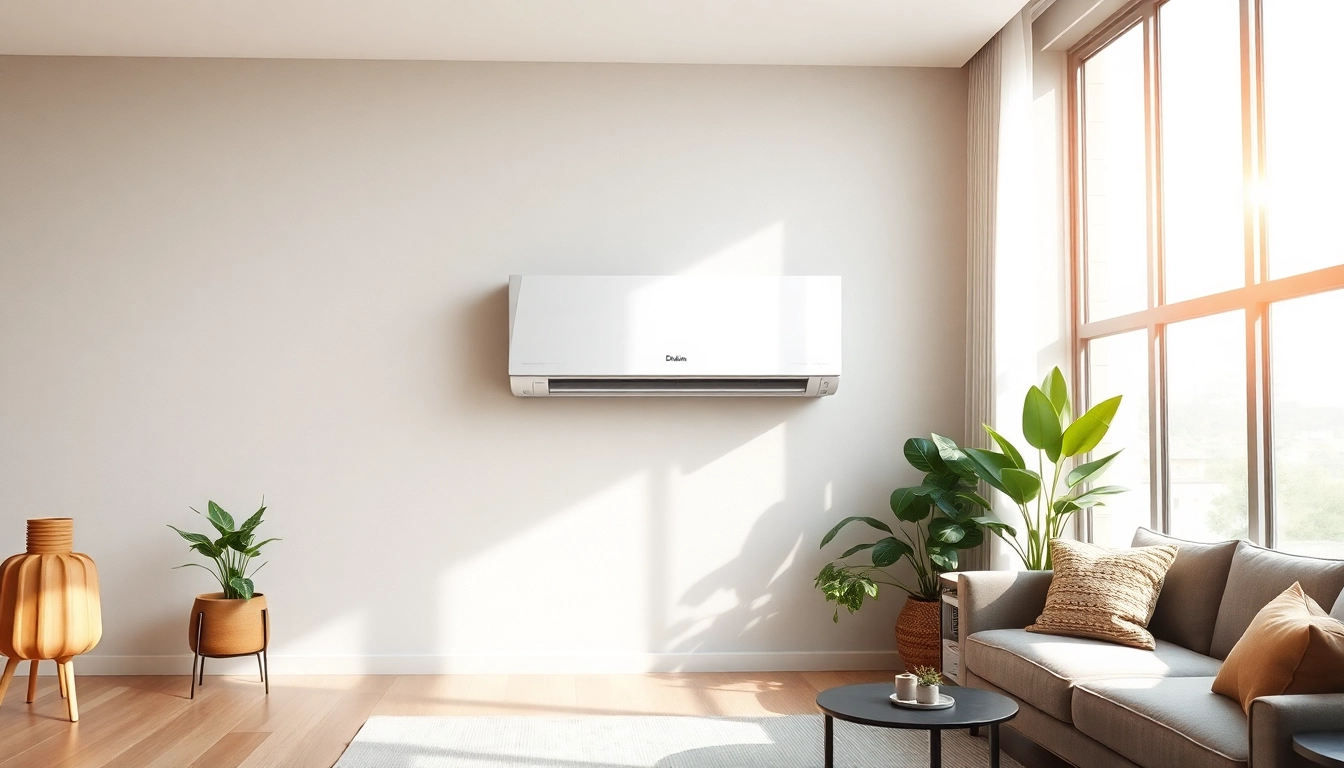

Understanding the Daikin Mini Split AC System
Climate control is a crucial aspect of comfort in our homes, and one innovative solution that has been gaining popularity is the daikin mini split ac. Unlike traditional HVAC systems, mini splits offer flexibility and efficiency, making them an ideal choice for various environments. In this guide, we will explore how these systems work, their key components, and the benefits of choosing a Daikin mini split AC for your home or office.
How Does a Mini Split AC Work?
A mini split AC system operates through two main components: an outdoor unit and one or more indoor units. The outdoor unit houses the compressor and condenser, while the indoor units function as air handlers. This separation allows for zoned cooling, meaning that different rooms can be controlled individually, leading to enhanced energy efficiency. The system uses refrigerant to absorb heat from inside the home and expel it outside, thus cooling the indoor air effectively.
Key Components of Daikin Mini Split AC
The essential components of a Daikin mini split AC include:
- Compressor: The heart of the system located in the outdoor unit, responsible for compressing and circulating refrigerant.
- Condenser Coil: Also part of the outdoor unit, where heat is released from the refrigerant to the outside air.
- Evaporator Coil: Located in the indoor unit, it absorbs heat from indoor air, cooling it down.
- Air Handlers: The indoor units that distribute the cooled air throughout the space, available in various styles.
- Refrigerant Lines: These connect the outdoor and indoor units, allowing for the transfer of refrigerant and facilitating heat exchange.
Benefits of Choosing Daikin Mini Split AC
The Daikin mini split AC offers several benefits, making it an attractive choice for homeowners and business owners alike:
- Energy Efficiency: Daikin units are known for their high Seasonal Energy Efficiency Ratios (SEER), which translates to substantial energy savings.
- Zoning Capability: The ability to control temperatures in different zones enhances comfort and reduces energy wastage.
- Flexible Installation: Mini splits require minimal space and can be installed in a variety of settings, including homes without ductwork.
- Quiet Operation: Daikin mini splits are designed to operate quietly, ensuring minimal disruption in both residential and commercial settings.
- Healthier Air Quality: Many Daikin models are equipped with advanced filtration systems that help reduce allergens and pollutants in the air.
Installation Process for Daikin Mini Split AC
Installing a Daikin mini split AC system requires careful planning and execution to ensure optimal performance. Below are the steps involved in the installation process.
Preparing Your Space for Installation
Before installation, assess the space where the indoor units will be located. Ensure that walls are clear and optimal for mounting units. Consider potential obstacles such as furniture or decorations that may obstruct airflow.
Finding the Right Location for the Indoor Unit
The location of the indoor unit is critical for efficient cooling. Place it in an area where it can distribute air evenly without obstruction. Ideally, position the unit high on the wall to allow for proper air circulation.
Professional vs. DIY Installation Options
While a Daikin mini split AC can be installed by knowledgeable DIYers, hiring a professional is often recommended. Professionals have the expertise to ensure all elements are correctly installed, reducing the risk of leaks and other installation issues.
Energy Efficiency and Savings
One of the most significant advantages of the Daikin mini split AC is its energy efficiency, which directly impacts long-term cost savings for users.
Understanding Energy Ratings for Mini Splits
Energy ratings, including SEER and EER (Energy Efficiency Ratio), offer insight into a mini split’s efficiency. A higher SEER rating means better cooling efficiency, which leads to lower electricity bills. Consider these ratings when selecting your model.
How Daikin Mini Split AC Saves Energy
By utilizing inverter technology, Daikin mini splits adjust their cooling output based on demand, resulting in less energy consumption compared to traditional systems that operate at full capacity constantly. This ability to modulate performance helps to achieve significant energy savings.
Cost Savings Over Time with a Mini Split System
While the initial investment may be higher than traditional systems, the long-term savings through lower utility bills and reduced maintenance costs can make Daikin mini splits a more economical choice over their lifespan. Additionally, incentives and rebates for energy-efficient upgrades can further offset costs.
Maintenance Tips for Your Daikin Mini Split AC
To ensure reliable performance and longevity, regular maintenance of your Daikin mini split AC is essential. Here are some maintenance tips:
Regular Cleaning and Filter Changes
Cleaning your mini split’s filters regularly is crucial for maintaining air quality and efficiency. Replace or clean filters at least every three months, and ensure the outdoor unit is free from debris.
Signs Your Mini Split Needs Servicing
If you notice unusual noises, reduced airflow, or inconsistent temperatures, it may indicate that servicing is required. Addressing these issues promptly can prevent further damage and maintain system performance.
Seasonal Maintenance Checklist
At the start of each cooling or heating season, perform a checklist that includes checking refrigerant levels, cleaning coils, inspecting the indoor and outdoor units for blockages, and testing the thermostat settings to ensure optimal operation of your Daikin mini split AC.
Common FAQs About Daikin Mini Split AC
What is the lifespan of a Daikin mini split AC?
Typically, a Daikin mini split AC unit has a lifespan of 15 to 20 years with proper maintenance, ensuring long-term reliability.
Can I install Daikin mini split AC myself?
While DIY installation is possible, hiring a professional is recommended to ensure proper setup, especially concerning refrigerant handling and electrical connections.
How quiet is a Daikin mini split AC unit?
Daikin mini split AC units are designed for quiet operation, with indoor units often producing noise levels as low as 19 dB, comparable to a whisper.
What size Daikin mini split AC do I need?
The size of your Daikin mini split should be determined by the space’s square footage and insulation. A load calculation can help identify the correct BTU requirement for your needs.
Is a Daikin mini split AC energy efficient?
Yes, Daikin mini splits are highly energy-efficient, often featuring SEER ratings above 20, contributing to substantial energy savings over time.