
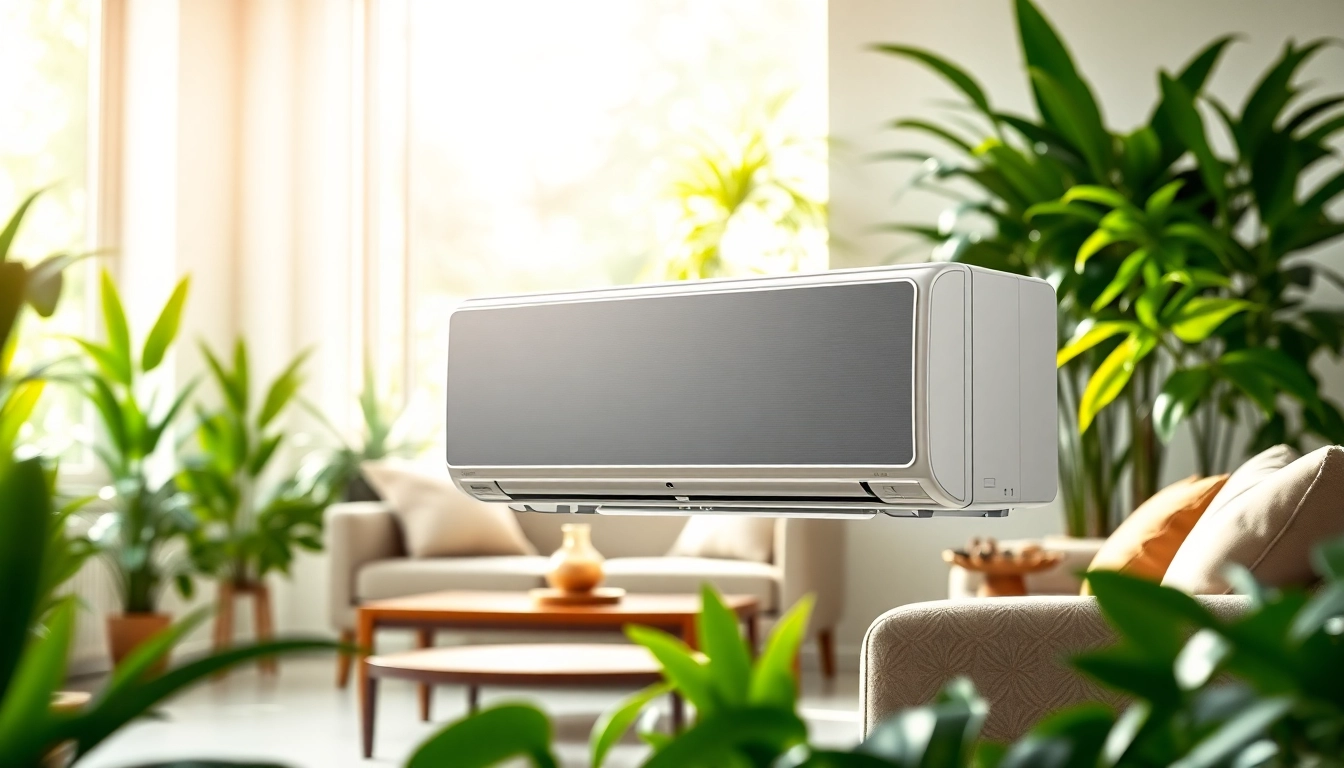

Understanding Mini Split AC and Its Benefits
What is a Mini Split AC?
A mini split AC is a compact air conditioning system designed to efficiently cool specific areas of a home or office. Unlike traditional air conditioning systems, mini split systems consist of two main components: an outdoor compressor and an indoor air handler. This setup allows for flexibility in installation and control over specific temperature zones, making mini splits a preferred choice for many homeowners. One of the standout features of mini split ac systems is their ability to operate quietly, providing comfortable climate control without the disturbance of traditional units. For those interested in exploring options, check out various mini split ac available in the market.
Energy Efficiency of Mini Split AC
Mini split AC systems are renowned for their energy-efficient operations. They use inverter technology to adjust the compressor speed based on the current temperature, ensuring that they maintain a comfortable climate with minimal energy consumption. According to the U.S. Department of Energy, mini split systems can operate at efficiencies up to 30 SEER (Seasonal Energy Efficiency Ratio), which is significantly higher than many traditional systems. This efficiency not only leads to reduced electricity bills but also minimizes the environmental impact due to lower energy use.
Space-Saving Features
One of the greatest advantages of mini split ACs is their space-saving design. They do not require ductwork, which is a substantial advantage in homes where installation of ducts would be cumbersome or impossible. The indoor units can be mounted on walls, ceilings, or even recessed into walls, serving both functional and aesthetic purposes. This versatility means homeowners can enjoy air conditioning without sacrificing valuable floor space, which is particularly beneficial in smaller apartments and unique architectural layouts.
Installation Process for Mini Split AC
Choosing the Right Location
Choosing the right location for your indoor mini split unit is crucial for maximizing both its efficiency and cooling effectiveness. Ideally, the indoor unit should be installed where there is unobstructed airflow, away from direct sunlight, and in a central location within the room. This ensures that cool air circulates evenly throughout the space. Factors to consider include the size of the room, potential obstructions like furniture, and even the height of the ceiling.
Steps for Installing Mini Split AC
- Prepare the Installation Site: Select a location for both indoor and outdoor units that meets the guidelines.
- Install the Indoor Unit: Mount the indoor air handler on the wall and securely attach it according to the manufacturer’s instructions.
- Add the Outdoor Unit: Position the outdoor compressor on a stable surface with sufficient clearance for airflow and serviceability.
- Connect the Systems: Use refrigerant lines, electrical wires, and drainage pipes to connect the indoor unit to the outdoor unit as per the installation manual.
- Test the System: After installation, test the system for functionality and check for leaks in the refrigerant lines.
Common Installation Challenges
Installers may encounter various challenges during the installation process. Common issues include difficulties in connecting refrigerant lines, electrical wiring complications, or placement challenges due to structural constraints. To overcome these, it is advisable to consult the installation manual thoroughly and, if necessary, contact a professional installer equipped with experience and expertise. Proper planning and preparation can mitigate many of these issues preemptively.
Maintaining Your Mini Split AC
Routine Maintenance Tips
Regular maintenance is key to keeping your mini split AC running effectively and efficiently. Some essential maintenance tasks include:
- Cleaning or replacing filters: Dirty filters can restrict airflow and reduce efficiency, so they should be inspected monthly and cleaned or replaced as needed.
- Checking for refrigerant leaks: Regularly inspect the refrigerant lines for signs of leaks or damage that could impact system performance.
- Cleaning the outdoor unit: Ensure that the outdoor compressor is free from debris that can obstruct airflow and hinder performance.
- Scheduling yearly professional servicing: An HVAC technician can perform a detailed maintenance checkup and ensure optimal efficiency.
Signs Your Mini Split AC Needs Repair
Being aware of signs that indicate a need for repair can save you time and trouble. Some common indicators include:
- Unusual noises such as banging or grinding.
- Inconsistent cooling or hot spots in the room.
- Increase in energy bills due to sudden inefficiency.
- Visible leaks near the units or refrigerant lines.
DIY Maintenance Practices
For those who prefer to engage in DIY maintenance, simple tasks can go a long way. Regularly cleaning the filters, vacuuming the outdoor unit coils, and maintaining the drainage line can greatly enhance system longevity. Homeowners can also keep an eye on the remote unit settings to ensure proper operation and scheduling of cooling cycles, which can be managed directly through the system’s interface.
Comparing Mini Split AC with Other Cooling Systems
Mini Split AC vs. Central Air Conditioning
When comparing mini split AC systems to central air conditioning, the key distinctions lie in efficiency, installation ease, and cost. Mini splits offer zoned cooling, allowing for temperature control in different rooms independently, while central systems cool the entire home evenly. However, central systems involve higher installation costs and complex ductwork that may need significant renovations.
Advantages Over Window Units
Mini split systems provide several advantages over traditional window AC units. They operate more quietly, consume less energy, and do not obstruct windows, preserving outdoor views and natural light. Additionally, mini splits typically have a more sophisticated air filtration system than window units, improving indoor air quality.
Cost Breakdown of Different Systems
When considering the costs associated with different cooling systems, mini split ACs typically range between $1,500 to $4,000 for installation, depending on capacity and complexity. In contrast, window AC units may have lower upfront costs but can lead to higher energy bills over time due to their lower efficiency. Central air systems often have the highest installation and maintenance costs but provide comprehensive cooling throughout the home.
Frequently Asked Questions About Mini Split AC
How much does it cost to install a mini split AC?
The cost of installing a mini split AC typically ranges from $1,500 to $4,000, influenced by factors such as the size of the space and the complexity of installation.
Can a mini split AC heat a room?
Yes, many mini split systems are equipped with heating capabilities, allowing them to effectively heat a room during colder months in addition to cooling it.
What maintenance does a mini split AC require?
Maintenance for a mini split AC involves cleaning or replacing filters, checking for refrigerant leaks, cleaning the outdoor unit, and scheduling professional inspections annually.
How energy efficient are mini split AC systems?
Mini split AC systems are highly energy efficient, often achieving up to 30 SEER ratings, which means they consume less electricity and lead to lower utility bills.
Can I install a mini split AC myself?
While it’s possible to install a mini split AC by oneself, it’s generally recommended to hire a professional to ensure correct installation and avoid potential issues with functionality and efficiency.