
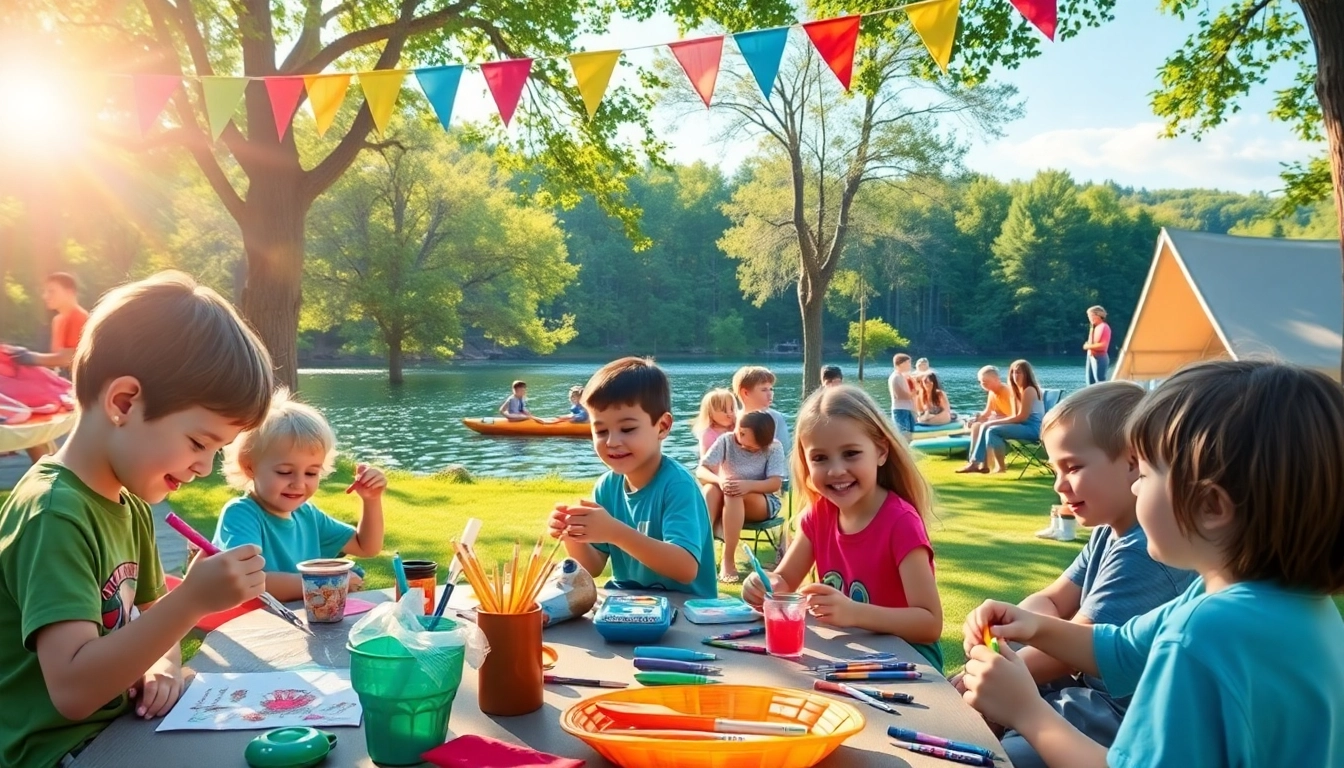

The Importance of Residential Summer Camps
Residential summer camps provide a unique opportunity for children to step away from their daily routines, explore new environments, and develop skills that are integral to their growth. Whether it’s through engaging activities or social interactions, residential summer camps cultivate an atmosphere rich in learning and adventure. This article delves into the significance of these camps, outlining their benefits, ways to choose the right one, what camp life entails, and how parents can best prepare their children for this experience.
Benefits of Overnight Camps
Overnight camps offer a plethora of benefits that extend beyond mere recreation. One of the primary advantages is the opportunity for children to foster independence. Being away from home and family for an extended period encourages children to make their own decisions, manage their time, and cope without the comfort of their usual support systems.
Another significant benefit is the chance for growth in social skills. Interacting with diverse groups of peers helps children develop empathy, resolve conflicts, and establish meaningful friendships. Camps often create an environment where collaboration and teamwork are essential, further enhancing socialization.
Social Skills Development
Social skills become sharper in the camp setting as children navigate group dynamics. Collaborative activities such as team sports or group projects require campers to communicate effectively, which can significantly boost their self-esteem and confidence. Moreover, camps often help instill values such as respect and understanding, essential for building long-lasting relationships.
Creating Lifelong Memories
Experiences at residential summer camps often become cherished memories that last a lifetime. From campfire stories to adventurous hikes, these moments not only enrich a child’s life but also shape their perspectives. As they grow older, many campers reminisce about their time at camp, leading to a sense of nostalgia that validates the camp experience as not just a childhood escape but a pivotal life chapter.
Choosing the Right Residential Summer Camp
With numerous options available, selecting the right residential summer camp for your child can be an overwhelming process. However, focusing on a few key factors can simplify this decision, ensuring that you choose a camp that meets your child’s unique needs and interests.
Key Factors to Consider
When evaluating potential camps, consider factors such as location, camp size, and staff qualifications. A camp’s location can greatly impact a child’s experience; for instance, a camp set in a peaceful nature-rich environment might provide a different experience than one located in a bustling city. Additionally, knowing the camper-to-counselor ratio can provide insight into the level of individual attention your child will receive. It’s essential that staff members are not only qualified but also trained in providing a safe and nurturing environment.
Types of Activities Offered
Each camp has its own unique curriculum filled with various activities such as sports, arts, and nature exploration. It’s important to look for a camp that aligns with your child’s interests. For example, if your child is passionate about performing arts, a camp with a strong emphasis on theater may be more suitable. Conversely, if they love the outdoors, a camp offering hiking or environmental education might be ideal.
Understanding Camp Philosophy
Every camp operates under a specific philosophy that guides its practices. Understanding this philosophy is crucial as it can shape your child’s overall experience. Whether the camp emphasizes holistic development, teamwork, or environmental stewardship, aligning your values with those of the camp can lead to a more fulfilling experience for your child.
What to Expect from Camp Life
Understanding what camp life typically entails can help set expectations for both parents and children. Each camp may have distinct routines, but there are general aspects that are common across residential summer camps.
Daily Schedule Overview
A typical day at a residential summer camp is structured yet flexible. Most camps begin their mornings with communal activities such as flag raising and morning assemblies, followed by various scheduled activities ranging from arts and crafts to sports. The afternoon often includes larger group activities or workshops, while evenings are usually reserved for campfires or cabin activities, allowing for reflection and bonding time.
Accommodation and Safety Standards
Accommodation types can vary from rustic cabins to more modern lodges, depending on the camp. Regardless of the setup, safety is a top priority. Camps must adhere to strict safety standards regarding sleeping arrangements, emergency procedures, and health protocols. Familiarize yourself with the camp’s safety guidelines to ensure your child’s well-being during their stay.
Meals and Nutrition at Camp
Nutrition plays an important role in a child’s overall well-being at camp. Most camps provide balanced meals designed to meet the dietary needs of active kids. You’ll want to confirm if the camp can accommodate any dietary restrictions or allergies your child may have. Mealtime often becomes a social event, fostering community and friendships among campers as they dine together.
Preparing Your Child for Camp
Preparation before camp begins can significantly impact your child’s experience. A few steps can help make this transition smoother and more enjoyable for everyone involved.
Packing Checklist Essentials
Creating a detailed packing list is essential. Include necessary items such as clothing suitable for various weather conditions, personal hygiene products, and any items that carry sentimental value for your child. Don’t forget essentials like a flashlight, sleeping bag, and reusable water bottle. Remember to label everything with your child’s name to avoid mix-ups.
Discussing Expectations with Your Child
Having a conversation with your child about what to expect can alleviate anxiety and build excitement. Discussing what they will do, who they might meet, and how to manage homesickness can empower them. Encouraging your child to voice concerns helps you address them before camp even begins.
Handling Homesickness
Homesickness is common, especially during the first few days of camp. Preparing your child for this possibility can help. Discuss strategies to cope, such as writing letters home or talking with camp counselors if they feel overwhelmed. Remind them that it’s a natural feeling and that they are likely to adjust quickly.
Frequently Asked Questions about Residential Summer Camps
What ages are residential summer camps suitable for?
Most residential summer camps cater to children aged 7 to 17, with specific programs for different age groups. Reviewing the age ranges of individual camps is key to finding the right match for your child.
How do I ensure my child’s safety during camp?
Confirm that the camp has registered counselors trained in first aid and emergency procedures. Familiarize yourself with the camp’s safety protocols, including emergency contacts and the camper-to-staff ratio.
Are there scholarships available for summer camps?
Many camps offer scholarships and financial assistance based on need. It’s advisable to inquire directly with the camp about available options and application processes.
How do I prepare my child for their first camp experience?
Preparation involves discussing expectations, packing thoughtfully, and setting the stage for independence. Familiarity with the camp’s schedule will help ease their transition.
Can parents visit during the camp session?
Typically, residential summer camps have strict no-visitor policies during sessions to help campers settle in. Parents can usually visit on designated open days or upon check-out, but it varies by camp.